

Subaru Forester Engine Coolant Thermostat Guide (1998-2014)
Everything a Forester owner needs to know about choosing the right replacement engine thermostat.
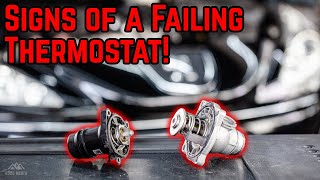
- A failing thermostat can cause overheating (stuck closed) or a cold-running engine with no heat (stuck open).
- The P0128 check engine light code is a very common symptom of a thermostat that is stuck open.
- For reliability, choose an OEM-quality aftermarket brand like Aisin, which is the original supplier for Subaru.
- This is a very feasible DIY repair for most owners, but properly bleeding the cooling system after is crucial to avoid air pockets.
Is Your Forester's Thermostat Failing?

A thermostat can fail in two ways: stuck open or stuck closed. Each has its own set of symptoms.
If it's stuck closed, the thermostat won't let coolant flow to the radiator. This is a serious problem that can cause your engine to overheat quickly. Signs include:
- Temperature gauge suddenly climbing to "H" or into the red zone.
- Steam coming from under the hood.
- Coolant leaking or boiling over from the reservoir.
- A quick check: When the engine is hot, feel the large rubber hose going from the top of the radiator to the engine. Then, carefully feel the lower hose. If the top hose is very hot and the bottom hose is cool, it's a classic sign the thermostat is stuck closed and not letting coolant circulate.
If it's stuck open, the thermostat allows coolant to flow all the time. This isn't as immediately dangerous as being stuck closed, but it's still a problem you need to fix. Signs include:
- Engine takes a very long time to warm up.
- Temperature gauge stays on the low end, especially when driving on the highway.
- Your cabin heater blows lukewarm or cool air, even when the engine has been running.
- Check Engine Light is on with code P0128. This code specifically means the engine coolant temperature is below what the computer expects it to be.
Known Issues, TSBs, and Recalls

For the 1998-2014 Forester, there are no specific recalls for the engine thermostat. However, Subaru did release a Technical Service Bulletin (TSB) for some later models in this range.
- TSB 09-56-13: This applies to 2011-2014 Foresters (among other models). It addresses a condition where, after sitting in very cold weather, the thermostat could let coolant inside its mechanism. This would cause it to open at a lower temperature than specified, triggering the P0128 check engine code. The fix is a countermeasure thermostat part.
Choosing the Right Aftermarket Thermostat

When shopping for a new thermostat, you'll see OEM and various aftermarket brands. For a critical part like this, quality matters more than a small price difference.
OEM vs. Aftermarket:
For many parts, aftermarket is a great value. For a Subaru thermostat, it's wise to be picky. The cooling system is vital, and some aftermarket thermostats don't meet the exact specifications Subaru engines need, leading to repeat failures or performance issues. An OEM thermostat is guaranteed to work correctly. However, some aftermarket brands are the actual suppliers to Subaru.
Brand Tiers for Your Forester:
- Tier 1 (OEM Quality): Aisin and Beck Arnley. Aisin is widely known to be the original equipment manufacturer for Subaru thermostats. Buying an Aisin part is like getting the genuine Subaru part without the dealer box. Beck Arnley often rebottles genuine OEM parts for import vehicles, making them another trusted choice.
- Tier 2 (Reputable Aftermarket): Gates and Calorstat. Gates is a well-known name in cooling system parts. While some enthusiasts feel their quality has slipped from what it once was, they are generally considered a reliable choice.
- Tier 3 (Performance): Mishimoto. Mishimoto thermostats are designed for racing and open at a lower temperature (e.g., 154°F vs. stock 172°F). This can help keep a modified or tracked engine cooler. For a standard daily-driven Forester, this is not necessary and may even slightly reduce heater performance in winter.
- Tier 4 (Budget): Motorad and Facet. These brands are often the cheapest, but reviews are very mixed. Some users report them failing quickly, sometimes right out of the box. While Motorad does manufacture parts for many companies, the quality of their own branded line is often questioned. It's generally recommended to spend a few extra dollars for a Tier 1 or 2 brand to avoid doing the job twice.
Cost of Replacement
| Part / Service | Estimated Cost |
|---|---|
| New Aftermarket Thermostat | $15 - $70 |
| New OEM Thermostat | $25 - $50 |
| Shop Labor | $100 - $200 |
| Total (DIY) | $15 - $70 (plus coolant) |
| Total (Shop) | $115 - $270 |
Frequently Asked Questions (FAQ)

Can I still drive my Forester with a bad thermostat?
If it's stuck closed and overheating, NO. Pull over immediately. If it's stuck open (running too cool), you can drive it for a short time to get to a repair shop, but don't ignore it. Running the engine too cool for too long leads to poor fuel mileage, increased emissions, and faster engine wear.
Is replacing the thermostat a DIY job?
Yes, for most people with basic tools. The thermostat is located on the bottom of the engine where the lower radiator hose connects. The job involves draining the coolant, removing two bolts, swapping the part and its gasket, and then refilling and bleeding the air out of the cooling system. The most critical part of the job is properly bleeding the system afterward to prevent air pockets, which can cause overheating.
Should I replace the thermostat gasket?
Yes, absolutely. Never reuse the old gasket. Most new thermostats come with a new gasket. Make sure the metal surfaces where the thermostat housing bolts on are clean before installing the new gasket to ensure a good seal.
What temperature thermostat should I buy?
For a stock 1998-2014 Forester, you should use a thermostat with the OEM-specified temperature rating, which is typically 190°F or 192°F. Using a lower temperature "racing" thermostat is not recommended for a daily driver as it can affect performance and efficiency.
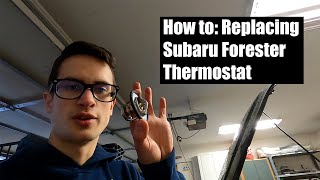
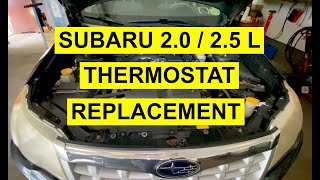
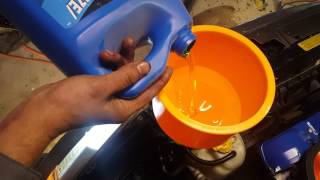
Helpful Videos
Technical Specifications
OEM Part Numbers: 21210AA181 21210AA211 21210AA221
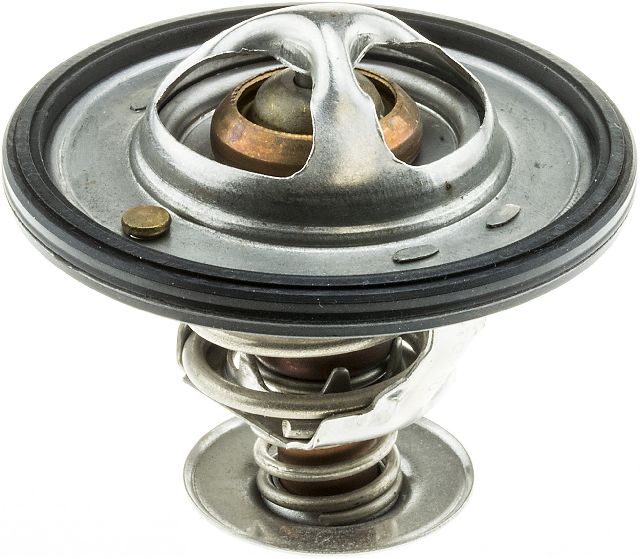
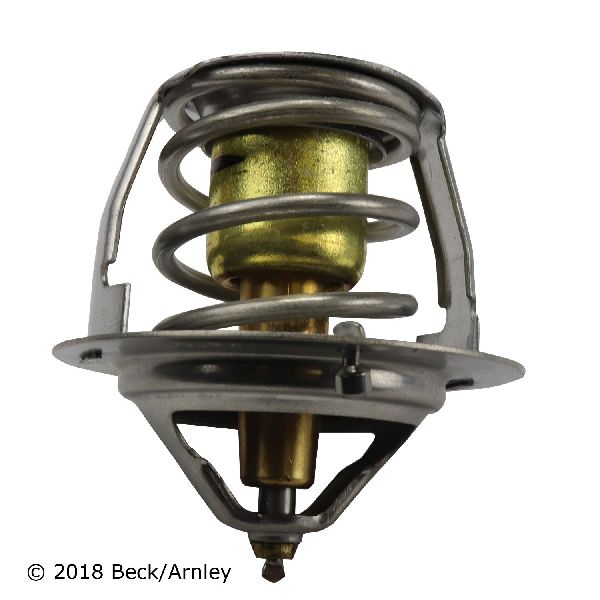
The thermostat is located at the engine block where the lower radiator hose connects. It is held in by a housing with two 10mm bolts. Always replace the gasket and ensure the jiggle pin/valve on the new thermostat is oriented in the 'up' position during installation.
We Have This Part in Stock


The information in this article is provided for general reference and educational purposes only. Vehicle specifications, procedures, and part compatibility can vary by production date, trim level, and region. Always consult your vehicle's factory service manual and verify part numbers before purchasing or performing repairs. Safety-critical components such as airbags, seat belts, and braking systems should be installed by a qualified professional.
- Subaru Forester: