

A Guide to Spark Plugs for the 2012-2019 Fiat 500
Keep your Fiat 500's unique 1.4L MultiAir engine running smoothly with the right spark plugs.
- The 1.4L MultiAir engine, especially the turbo version, is sensitive to spark plug quality; stick with Iridium plugs from NGK or Denso.
- Replacement intervals are shorter for turbo models (around 30,000 miles) compared to non-turbo models.
- Symptoms of failure include rough idle, misfires (P0300-P0304 codes), poor acceleration, and reduced gas mileage.
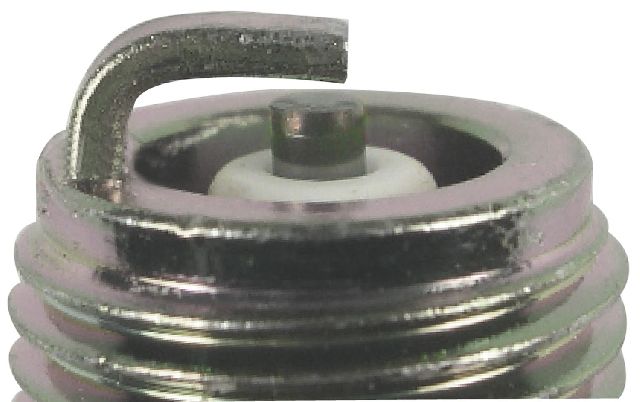
- Iridium plugs come pre-gapped; do not use a standard gapping tool as it can easily damage the fine electrode tip.
Understanding Your Fiat 500's Spark Plug Needs

All 2012-2019 Fiat 500 models sold in North America use a 1.4L MultiAir engine, but they come in two main versions: naturally aspirated (found in Pop, Lounge models) and turbocharged (found in Abarth and 500 Turbo models). While the engine block is the same, the spark plug requirements and service intervals can differ. The turbocharged engines, in particular, are very sensitive to spark plug type and condition. Using the wrong plug or letting them wear out can lead to noticeable performance problems.
Symptoms of Failing Spark Plugs

Worn-out spark plugs can make your Fiat 500 run poorly. If you notice any of these signs, it might be time for a replacement:
- Rough Idle: The engine may shake or vibrate more than usual when you're stopped.
- Engine Misfires: You might feel a hesitation, stumble, or jerking sensation during acceleration. This is often accompanied by a flashing Check Engine Light.
- Poor Acceleration: The car may feel sluggish or less responsive when you press the gas pedal.
- Decreased Fuel Economy: If you're filling up your gas tank more often, old spark plugs could be wasting fuel. 🎬 Watch this breakdown of common symptoms and replacement costs.
- Trouble Starting: Worn plugs can make it harder for the engine to start, especially in cold weather.
Check Engine Light Codes
A failing spark plug will often trigger the Check Engine Light. Common codes include P0300 (Random Misfire), and P0301, P0302, P0303, or P0304, which point to a misfire in a specific cylinder.
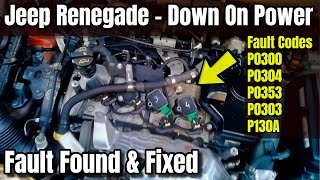
🎬 See how to diagnose and fix engine misfire codes.Choosing the Right Aftermarket Spark Plugs

When replacing spark plugs, you have options. The original equipment (OEM) plugs for most Fiat 500s are made by NGK and are typically Iridium-tipped. This is a high-quality choice that offers a long service life and stable performance.
Brand Tiers:
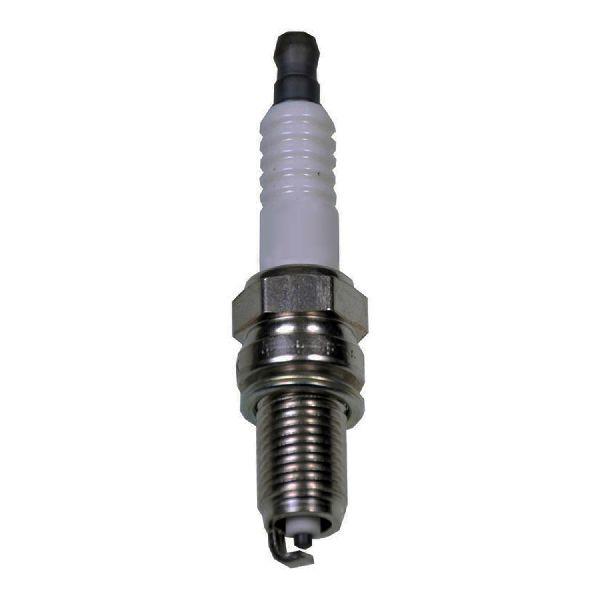
- Top Tier (OEM equivalent): NGK and Denso are the most recommended brands for the Fiat 500. Many owners and mechanics suggest sticking with NGK Iridium plugs, as they are often the original part. Denso's Iridium plugs are also a high-quality alternative. These plugs are designed for longevity and optimal performance in the MultiAir engine.
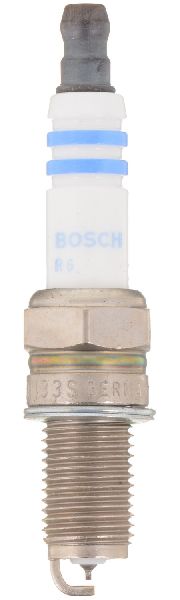
- Mid-Tier: Brands like Bosch and Champion offer compatible spark plugs, sometimes at a lower price. Bosch offers Iridium plugs that are a suitable alternative. While these brands are reputable, the general consensus among Fiat 500 enthusiasts is to stick with the OEM-spec NGK or Denso Iridium plugs for best results, especially on the turbo models.
Pro Tip: For the 1.4L MultiAir engine, using Iridium spark plugs is highly recommended. They provide a stronger, more consistent spark and last much longer than older copper or platinum plug designs. Given the sensitivity of this engine, it's worth investing in the higher-quality plugs.
| Brand | Type | Estimated Price |
|---|---|---|
| NGK | Iridium | $12 - $25 |
| Denso | Iridium | $10 - $22 |
| Bosch | Iridium | $9 - $20 |
| Champion | Iridium/Copper | $6 - $18 |
Frequently Asked Questions

When should I replace my Fiat 500's spark plugs?
The replacement interval varies. For the turbocharged Abarth models, Fiat recommends changing the plugs as often as every 30,000 miles. For non-turbo models, the interval can be longer, around 60,000 to 100,000 miles. However, due to the engine's design, many owners replace them sooner to maintain peak performance.
Do I need to gap the new spark plugs?
Most Iridium spark plugs for the Fiat 500 come pre-gapped from the factory. It is critical NOT to use a standard gapping tool on an Iridium plug, as you can easily break the fine electrode tip. It's a good practice to verify the gap with a feeler gauge, but do not attempt to adjust it unless you are experienced and have the correct tool. The recommended gap for turbo models is often smaller, around .024-.026 inches.
Should I replace the ignition coils at the same time?
It is not necessary to replace the ignition coils with the spark plugs unless they are faulty. Ignition coils are not a standard maintenance part. However, if you are experiencing a persistent misfire after changing the plugs, a failing coil could be the culprit. In some cases, a bad coil can damage the new spark plug.
Is this a DIY job?
Yes, for most people with basic tools, replacing the spark plugs on a Fiat 500 is a straightforward DIY job. The coils and plugs are easily accessible after removing the engine cover and airbox. Key tools include a 10mm socket, a 5/8" (or 16mm) spark plug socket, and a ratchet with an extension.
🎬 A mechanic explains the top signs your plugs need replacing.Helpful Videos
Technical Specifications
OEM Part Numbers: 68070492AB
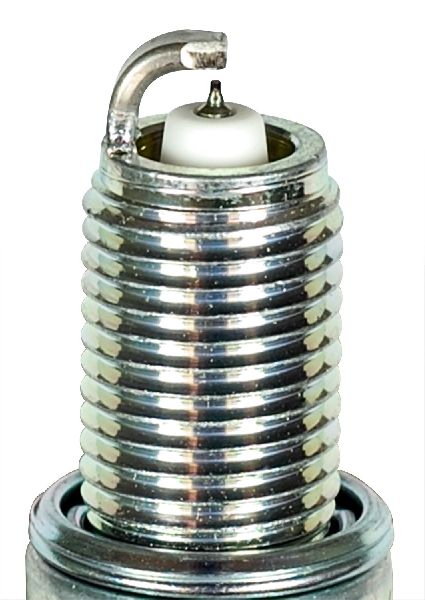
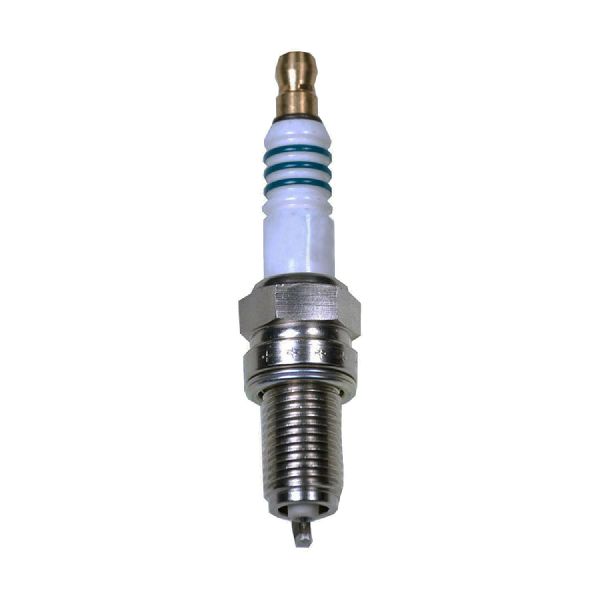
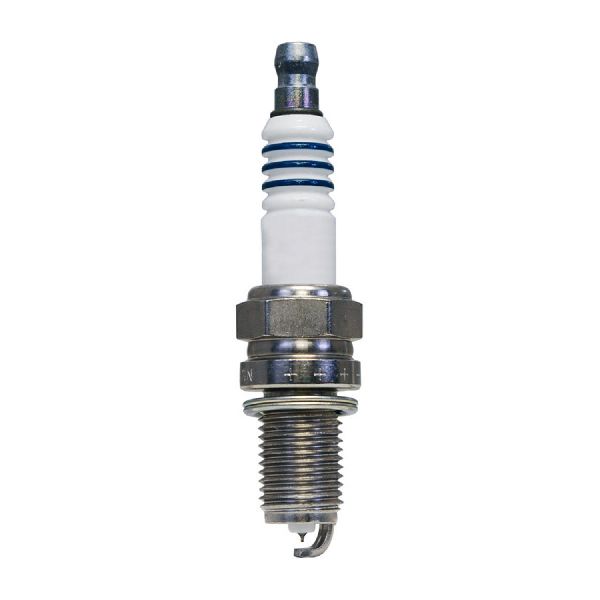
Engine: 1.4L MultiAir, 1.4L MultiAir Turbo. Socket Size: 16mm or 5/8". Recommended Plug Type: Iridium.
We Have This Part in Stock

The information in this article is provided for general reference and educational purposes only. Vehicle specifications, procedures, and part compatibility can vary by production date, trim level, and region. Always consult your vehicle's factory service manual and verify part numbers before purchasing or performing repairs. Safety-critical components such as airbags, seat belts, and braking systems should be installed by a qualified professional.
- Fiat 500: