

Lincoln Navigator Windshield Washer Pump: A Guide for 1998-2021 Models
Everything a Lincoln Navigator owner needs to know when facing a washer pump replacement.
- The most common failure symptoms are a silent pump or a pump that hums with no fluid output.
- Always check the washer fluid level and the fuse before deciding to replace the pump.
- For 2018+ models, a single reversible pump operates both front and rear washers.
- Replacement is a DIY-friendly task that usually takes less than an hour and requires removing the headlight or wheel well liner for access.
Is Your Lincoln Navigator's Washer Pump Failing?
A non-working windshield washer can be more than an annoyance; it can be a serious safety issue in bad weather. For Lincoln Navigator owners, a failed washer pump is a common problem that can usually be fixed without a trip to the dealer. The symptoms are often straightforward, and the replacement is a job many owners can handle themselves.
Common Symptoms of a Bad Washer Pump
Before you buy a new part, make sure the pump is actually the problem. Here’s what to look for:
- Silence is Golden (But Not Here): When you activate the washers, you should hear a distinct humming or whirring sound from the front of the vehicle. If you hear nothing, the pump is likely not getting power or has failed completely.
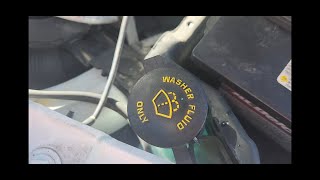
- Pump Hums, But No Fluid Sprays: If you can hear the pump motor running but no fluid comes out, the problem might be a clog, not the pump itself. Check for an empty reservoir first, then look for clogged nozzles or disconnected hoses. 🎬 Watch: Troubleshooting tips if your fluid isn't spraying
- Weak or Uneven Spray: A pump that is starting to wear out may lose its ability to create enough pressure, resulting in a weak spray that doesn't effectively clean the windshield.
- Front Works, But Rear Doesn't (or Vice Versa): On 2018-2021 Navigators, this is a key clue. Since a single reversible pump handles both front and rear, a failure in only one direction points directly to a faulty pump.
Pro Tip: Check the Fuse First!
Before spending money or time, always check the fuse for the washer pump. Your owner's manual will show you the location of the fuse box and which fuse to check. A simple blown fuse is the cheapest and easiest fix.
Choosing a New Aftermarket Washer Pump
When your original pump fails, you have a choice between an OEM (Original Equipment Manufacturer) part from Ford/Motorcraft and a new aftermarket part. For a component like a washer pump, a quality aftermarket part offers significant savings without a noticeable difference in performance or longevity. Brands like Trico are known suppliers for washer system components and offer reliable replacement options. Given the straightforward function of the part, an aftermarket pump is a practical and cost-effective choice for most owners.
| Part Type | Estimated Cost |
|---|---|
| New OEM (Motorcraft) | $42 - $91 |
| New Aftermarket (Trico, etc.) | $40 - $48 |
| Shop Labor | $79 - $161 |
Related Issues: TSBs and Recalls
While there are no direct recalls for the washer pump on the Navigator, a few related items are worth noting. A recall on the related 2020 Lincoln Aviator involved brake fluid contaminating the washer system, which required replacing the pump. This shows how important it is to only use proper windshield washer fluid. Additionally, a TSB for 2018-2020 models noted leaks from the front camera washer jet, which can cause fluid loss.
🎬 Watch: How to find and fix a leaking reservoirFrequently Asked Questions
Is replacing the washer pump a DIY job?
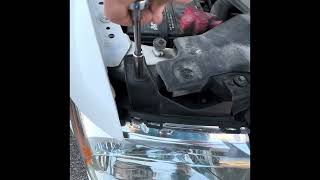
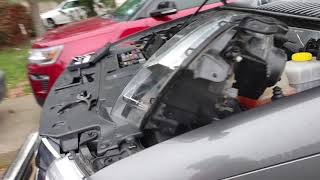
Yes, for most people with basic tools. The pump is usually located at the bottom of the washer fluid reservoir. Access often involves removing the passenger-side headlight or the plastic wheel well liner. 🎬 See this step-by-step washer pump replacement walkthrough The pump itself just pulls out of a rubber grommet. The entire job can typically be done in under an hour.
Do I need a separate pump for the front and rear windshield?
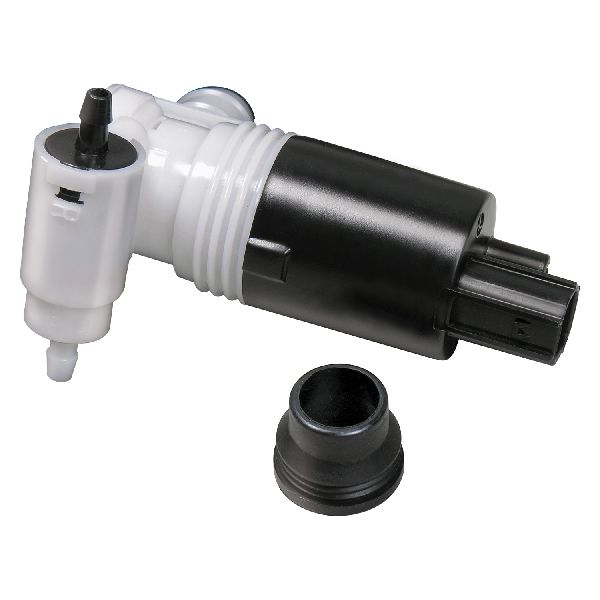
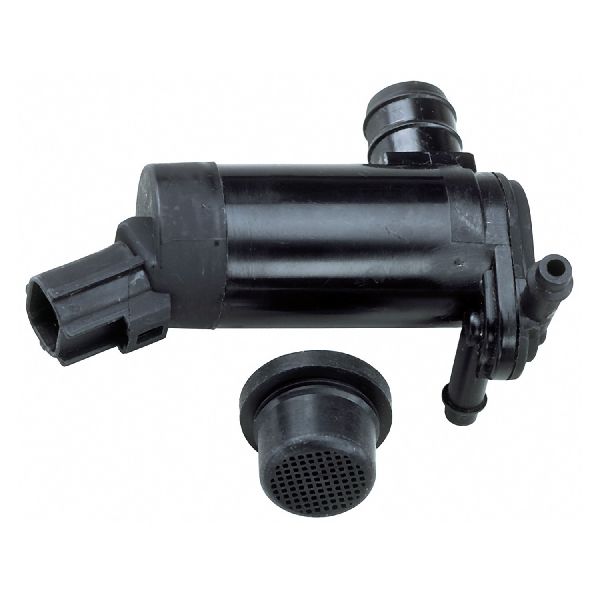
On older Navigators, you might have two separate pumps. However, on newer models (2018+), a single, dual-outlet pump is used. It reverses its motor to direct fluid to either the front or the rear. It's important to order the correct part for your specific year.
What is the most common reason for the pump to fail?
The most common reason is simply age and wear of the internal electric motor. Another common cause of failure is repeatedly running the pump when the fluid reservoir is empty, which can cause the motor to overheat.
My pump runs, but the spray is weak. Is the pump bad?
It could be a sign of a failing pump that can't build enough pressure. However, first check for simple issues. Use a safety pin to clean out the nozzles on the hood or wiper arms, as they can get clogged with wax and debris. Also, check the hoses for kinks or cracks.
Helpful Videos
Technical Specifications
OEM Part Numbers: JL1Z-17664-A
The pump is typically a 12V DC motor that press-fits into the washer fluid reservoir. Later models (2018+) use a single reversible motor pump with two outlets for front and rear systems.
We Have This Part in Stock

The information in this article is provided for general reference and educational purposes only. Vehicle specifications, procedures, and part compatibility can vary by production date, trim level, and region. Always consult your vehicle's factory service manual and verify part numbers before purchasing or performing repairs. Safety-critical components such as airbags, seat belts, and braking systems should be installed by a qualified professional.
- Lincoln Navigator: