

Chevrolet Camaro Engine Mount Guide: 1999-2003
Stop the shaking and clunking noises in your 4th Gen Camaro by choosing the right engine mounts.
- Symptoms of bad mounts include heavy vibration, clunking noises, and visible engine movement.
- For a comfortable daily driver, choose standard rubber mounts; for performance, choose polyurethane but expect more vibration.
- Replacement is a difficult job due to tight access, often requiring removal of the alternator and A/C compressor.
- Always replace engine mounts in pairs to ensure proper alignment and prevent future failure.
Symptoms of a Failing Engine Mount
Engine mounts wear out over time due to age, heat, and stress. The rubber can crack, dry out, or separate completely from the metal housing. When this happens, you'll likely notice one or more of these common symptoms:
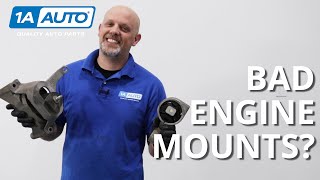
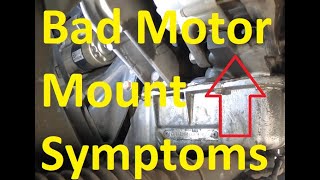
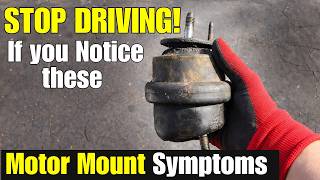
🎬 Watch: See these common symptoms of failed mounts in action.- Excessive Vibration: A noticeable increase in vibration felt in the steering wheel, floor, or seats, especially when the car is idling or when the air conditioning is running.
- Impact Noises: Loud clunking, banging, or thudding sounds from the engine bay. These noises are most common during hard acceleration, braking, or when shifting from drive to reverse as the engine moves and hits other components.
- Visible Engine Movement: With the hood open, you can often see the engine physically lift or shift when a helper briefly revs the engine while the car is in gear with the brakes applied.
- Visual Damage: If you can inspect the mounts, you may see that the rubber is cracked, split, or has pulled away from the metal parts of the mount.
Choosing the Right Aftermarket Engine Mount
When replacing the engine mounts on your Camaro, you have a few types of aftermarket options. The best choice depends on your budget and how you use your car.
Tier 1: Standard Rubber Replacements
Brands: Anchor, DEA, Westar, Pioneer Cable
These brands offer direct, OEM-style replacements with rubber insulation. They are the most affordable option and are designed to restore the original, comfortable ride quality. For a daily driven Camaro, these are a practical choice. However, some owners in forums report that these economy brands may not last as long as the original GM parts, with some experiencing failures within a couple of years.
Tier 2: Performance Polyurethane Mounts
Brands: Energy Suspension, Nolathane
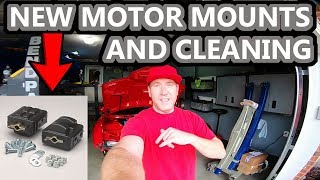
These mounts use a hard polyurethane material instead of soft rubber. This makes them much more durable and effective at controlling engine movement, which is great for performance driving, drag racing, or modified cars with more horsepower. The downside is a significant increase in engine vibration and noise inside the car. If your Camaro is a weekend toy or track car, these are an excellent upgrade. 🎬 Watch this walkthrough of a Camaro polyurethane mount swap. For a comfortable daily driver, they might be too harsh.
Cost to Replace Camaro Engine Mounts (1999-2003)
| Item | Estimated Cost |
|---|---|
| New Aftermarket Mounts (Pair) | $32 - $126 |
| Shop Labor | $250 - $600 |
| Total Estimated Cost | $282 - $726 |
Frequently Asked Questions
Should I get rubber or polyurethane engine mounts?
Choose rubber (like brands Anchor or Westar) if you want to maintain the stock ride comfort for a daily driver. Choose polyurethane (like Energy Suspension or Nolathane) if you have a performance-focused car and can tolerate more vibration in exchange for better engine control.
How many engine mounts does my 1999-2003 Camaro have?
Your Camaro has two main engine mounts, one on the driver's side and one on the passenger's side. It also has a separate transmission mount that supports the rear of the transmission.
Is it hard to replace Camaro engine mounts myself?
Yes, this is considered a difficult and time-consuming job for a DIY mechanic. It requires safely supporting the engine, and access is very tight. You often need to remove other parts like the A/C compressor and alternator to reach the mount bolts. Most owners will find it easier to have a professional shop perform the replacement.
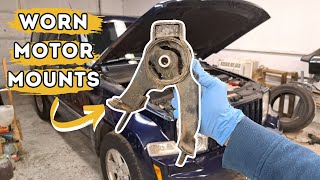
🎬 See how to replace LS1 motor mounts in this guide.Are there any recalls for 1999-2003 Camaro engine mounts?
No, there are no specific recalls from the NHTSA for engine mount failure on the 1999-2003 Chevrolet Camaro. There was a famous GM engine mount recall in the early 1970s, but it does not apply to this generation of Camaro.
Helpful Videos
Technical Specifications
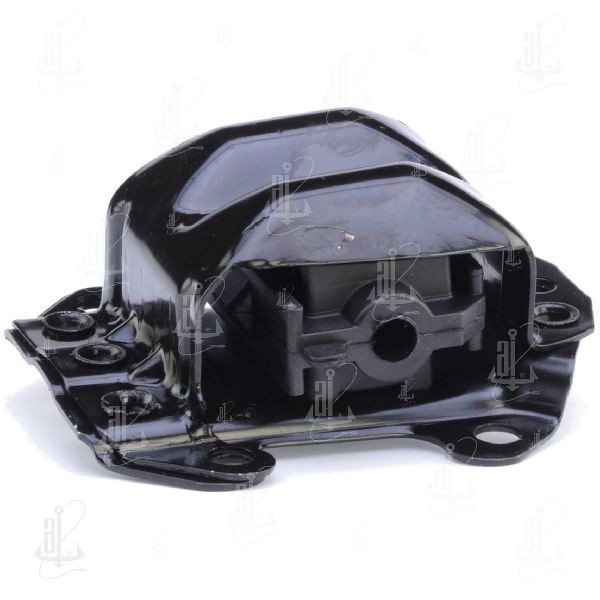
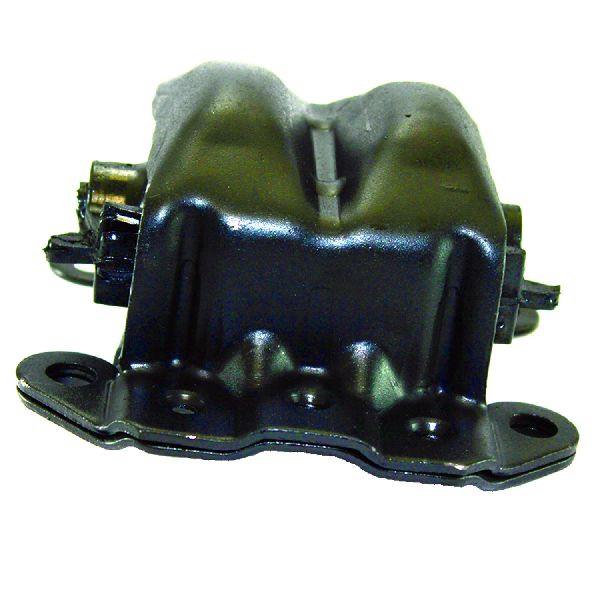
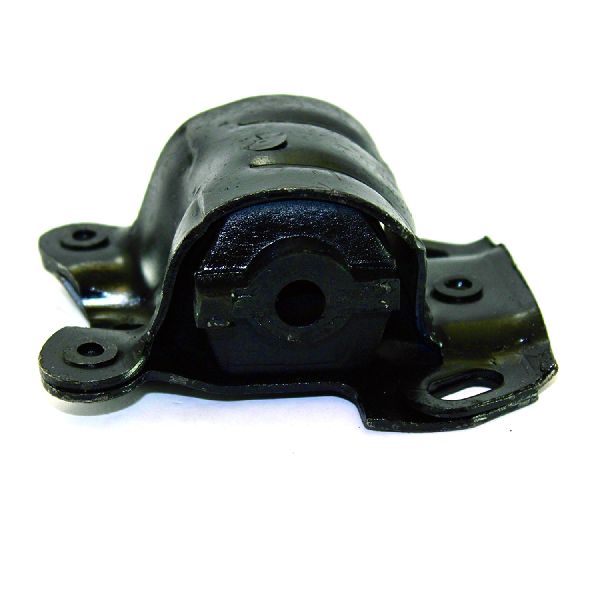
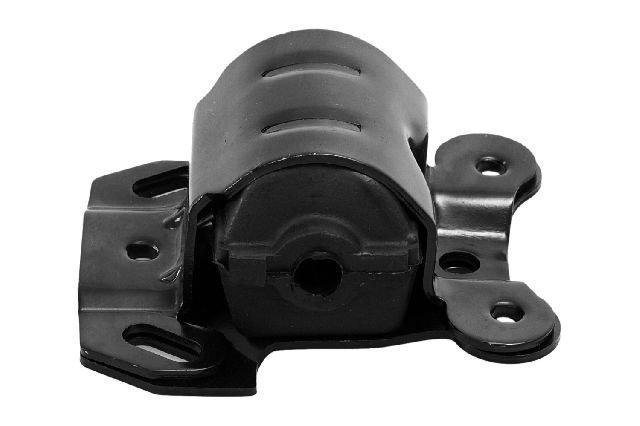
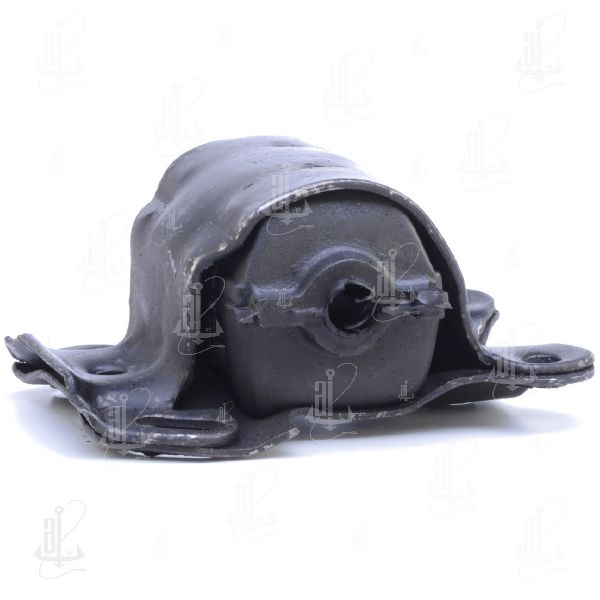
OEM Part Numbers: 22179268
Vehicle requires two engine mounts. Mounts are not side-specific. One transmission mount is also used but is a separate part.
We Have This Part in Stock


The information in this article is provided for general reference and educational purposes only. Vehicle specifications, procedures, and part compatibility can vary by production date, trim level, and region. Always consult your vehicle's factory service manual and verify part numbers before purchasing or performing repairs. Safety-critical components such as airbags, seat belts, and braking systems should be installed by a qualified professional.
- Chevrolet Camaro: