

A Guide to Replacing the Engine Oil Pan on Your 1999-2003 Chevrolet Camaro
Everything you need to know about fixing that oil leak by replacing your Camaro's engine oil pan.
- Oil pan replacement is a major job on this Camaro, requiring the engine to be lifted.
- Confirm the leak is from the pan or pan gasket, as oil from higher up can mimic the symptom.
- Aftermarket brands like ATP, Dorman, and Spectra offer a cost-effective alternative to OEM.
- Due to the complexity and safety risks, this repair is best left to a professional mechanic.
Is Your Camaro Leaking Oil? It Might Be the Oil Pan.
The most common reason to replace the engine oil pan on a 1999-2003 Chevrolet Camaro is damage or leaks. A puddle of dark brown or black fluid under the front of your car is a tell-tale sign. Other symptoms include a low oil warning light on your dashboard, a burning oil smell, or smoke from the engine bay as leaking oil hits hot exhaust parts. While the pan itself is durable, the gasket that seals it to the engine block can wear out over time, causing leaks. Sometimes, road debris can hit and crack the pan, or the drain plug threads can be stripped from over-tightening during oil changes.
Common Failure Symptoms
- Oil Puddles: The most obvious sign is a spot or puddle of oil on your driveway or parking space.
- Low Oil Light: If the leak is significant, your oil level will drop, triggering the warning light on your dash. Driving with very low oil can cause serious engine damage.
- Burning Oil Smell: Oil dripping onto the hot exhaust pipes will burn off, creating a distinct and unpleasant smell.
- Smoke from Engine: In cases of a larger leak, you might see smoke coming from under the hood as the oil burns on hot surfaces.
Check for Other Leaks First
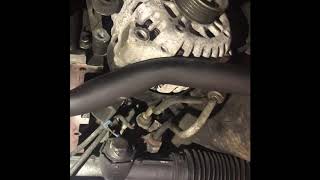
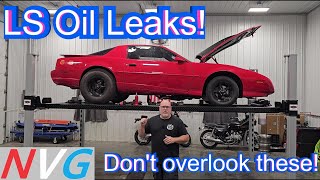
Oil from higher up on the engine, like from a valve cover gasket, can run down and look like an oil pan leak. It's important to clean the engine and confirm the source of the leak 🎬 Watch: How to check common LS engine oil leak areas before starting this repair. For LS1 engines, a common leak area is at the four corners where the front and rear engine covers meet the oil pan.
Choosing a New Aftermarket Oil Pan
When replacing your oil pan, you have several options. For a simple part like an oil pan, a quality aftermarket unit can offer significant savings over a new OEM part. Fitment is the most critical factor.
Brand Quality Tiers:
- Standard Replacement (Dorman, Spectra): These brands are widely available and offer an affordable, direct replacement for the factory pan. Dorman is a long-standing aftermarket company, and some users find their parts to be a good fit. Spectra is also a popular choice, and some believe their pans are made in the same factories as other brands.
- Value-Oriented (ATP, URO Parts): ATP is often praised for making parts that are as good or even thicker than the original, providing good corrosion resistance. URO Parts are generally seen as a budget-friendly option, sometimes offering upgraded materials compared to the original. However, experiences can be mixed, with some users reporting fitment issues on other vehicle models.
- Performance (Trans-dapt): While not always necessary for a stock replacement, brands like Trans-dapt often offer specialized pans, sometimes with different finishes or features for custom builds.
OEM vs. Aftermarket
For the 1999-2003 Camaro, especially the V8 LS1 model, the oil pan is a structural component. While aftermarket pans from reputable brands are generally reliable and can save you money, an OEM pan is guaranteed to fit perfectly. If the price difference isn't too large, sticking with OEM can provide peace of mind. However, many owners have successfully used aftermarket pans without issue.
Replacement Cost
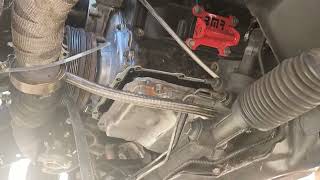
Replacing the oil pan on this generation of Camaro is a labor-intensive job. The engine must be lifted and supported, and on V8 models, the front subframe (K-member) may need to be lowered 🎬 Watch: Removing an LS oil pan with the motor in-car to get the pan out. This is not a simple bolt-off, bolt-on repair.
| Item | Estimated Cost |
|---|---|
| New Aftermarket Oil Pan | $98.59 - $239.57 |
| Shop Labor | $680 - $1,370 |
| Total Estimated Cost | $779 - $1,610 |
Note: Costs are estimates and will vary based on your location and the specific shop's labor rates. The job is often quoted at 4-7 hours of labor.
Frequently Asked Questions (FAQ)
Do I have to lift the engine to replace the oil pan?
Yes, for both V6 and V8 models, the engine must be unbolted from its mounts and lifted several inches to create enough clearance to remove the oil pan. The front subframe may also need to be lowered.
Is this a good DIY job?
This is an advanced DIY repair. It requires an engine hoist or support bar, multiple jacks and jack stands, and a comprehensive set of tools. Due to the need to lift the engine and potentially lower the subframe, it can be dangerous if not done correctly. For most owners, having a professional mechanic perform this job is the recommended course of action.
Are there any recalls for the oil pan on my Camaro?
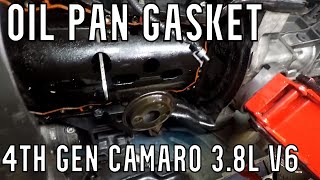
No, searches of NHTSA records did not find any safety recalls specifically for the engine oil pan on 1999-2003 Chevrolet Camaros. There were recalls for other GM vehicles with the 3.8L V6 engine related to oil leaking from 🎬 See this 3.8L V6 oil pan gasket replacement walkthrough valve cover gaskets, but not the oil pan itself.
Should I replace the oil pan gasket at the same time?
Absolutely. A new oil pan always requires a new gasket. Most aftermarket pans are sold without a gasket, so be sure to purchase one separately. It's also a good time to apply RTV sealant at the corners where the engine covers meet the block, as this is a common leak point.
Helpful Videos
Technical Specifications
OEM Part Numbers: 12628771 12558899
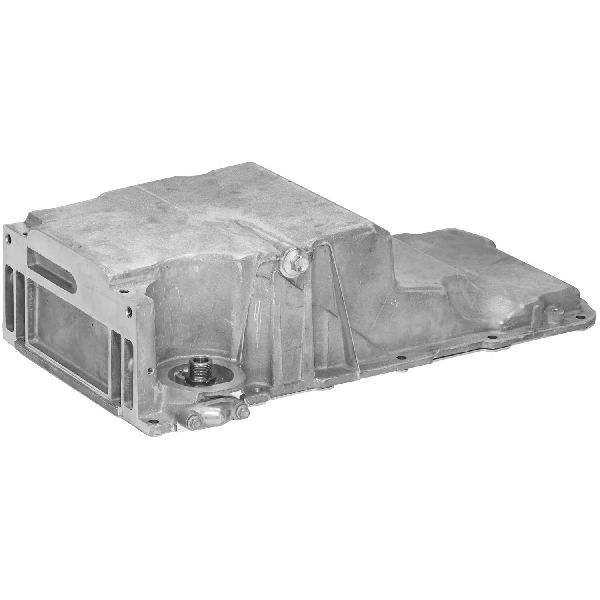
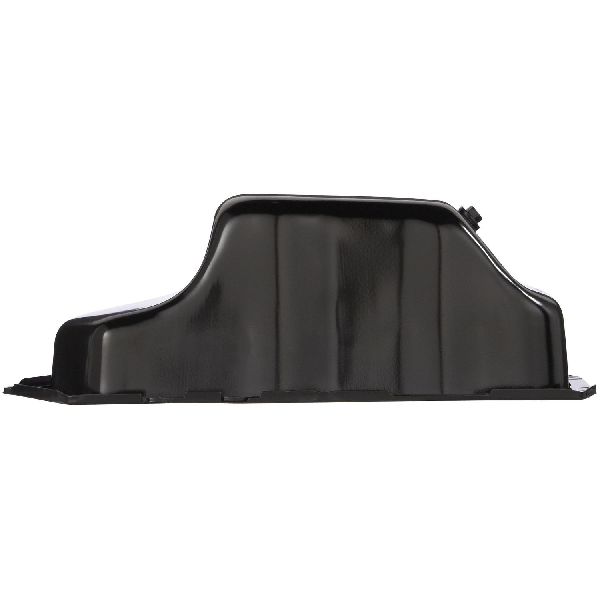
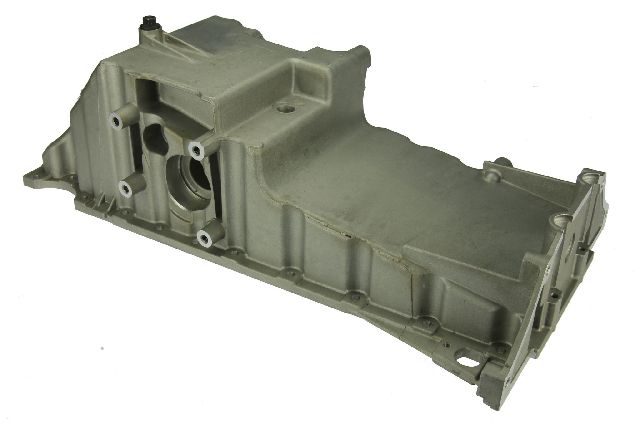
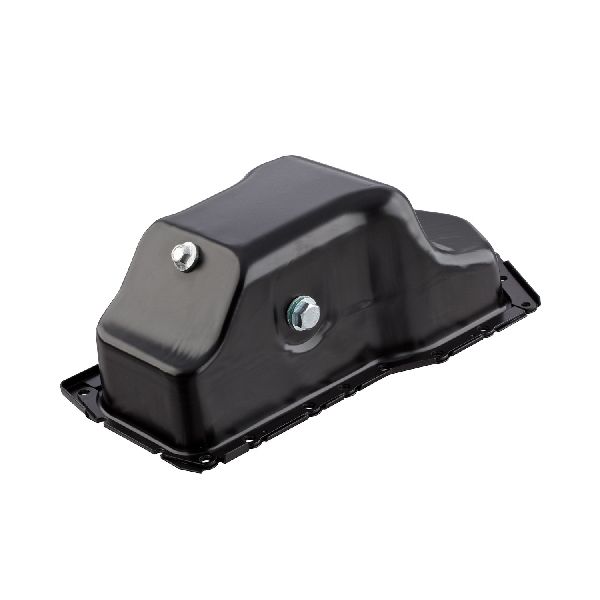
The V8 (LS1) engine uses a cast aluminum, wet sump oil pan with a 5.5 quart capacity. The V6 (L36) engine typically uses a stamped steel pan. Both require lifting the engine for removal.
We Have This Part in Stock

The information in this article is provided for general reference and educational purposes only. Vehicle specifications, procedures, and part compatibility can vary by production date, trim level, and region. Always consult your vehicle's factory service manual and verify part numbers before purchasing or performing repairs. Safety-critical components such as airbags, seat belts, and braking systems should be installed by a qualified professional.
- Chevrolet Camaro: