

Ford Courier Engine Timing Belt: A Comprehensive Guide for 1999-2003 Models
Everything you need to know about the timing belt on your 1999-2003 Ford Courier, focusing on the 2.5L diesel engine.
- Only the 2.5L diesel engine uses a timing belt; the 2.6L petrol uses a timing chain.
- The 2.5L diesel is an interference engine; a broken belt will cause catastrophic damage.
- Replace the belt every 120,000 km (75,000 miles) or 10 years, whichever comes first.
- Always buy a complete kit including the belt, tensioner, and idlers from a reputable brand like Gates or Dayco.
Is it a Timing Belt or a Timing Chain?

Your 1999-2003 Ford Courier came with two common engine options, and it's crucial to know which one you have. This determines whether you have a timing belt that needs regular replacement or a timing chain that is designed to last the life of the engine.
- 2.5L WL or WL-T Diesel Engine: This engine uses a timing belt that requires periodic replacement.
- 2.6L G6 Petrol Engine: This engine uses a timing chain and does not have a belt to replace.
This guide focuses exclusively on the timing belt for the 2.5L diesel models.
Symptoms of a Failing Timing Belt

A timing belt can fail without any warning. However, sometimes you might notice signs that the belt or its related components, like the tensioner, are wearing out.
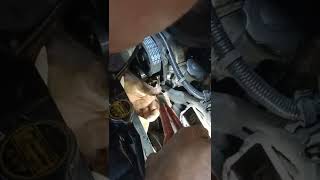
- Ticking or Whirring Noise: A worn belt or failing tensioner and idler pulleys can create a distinct ticking or whirring sound from the front of the engine. 🎬 Watch: Hear what a failing timing belt sounds like
- Engine Performance Issues: If the belt has slipped even one tooth, it can throw off the engine's timing. This can cause rough idling, difficulty starting, loss of power, and increased exhaust smoke.
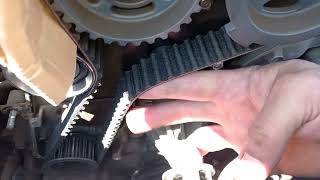
- Visible Wear: If you inspect the belt, look for cracks, fraying, missing teeth, or a glossy, glazed appearance on the underside. These are all signs of an old belt that needs immediate replacement.
Critical Warning: Interference Engine
The 2.5L WL/WLAT diesel is an interference engine. This means that if the timing belt breaks, the pistons will hit and destroy the engine's valves. This results in catastrophic and expensive engine damage, often requiring a complete engine replacement. Do not ignore the recommended replacement interval.
Choosing the Right Aftermarket Timing Belt Kit

When replacing your timing belt, it is essential to replace all related components. A new belt can fail quickly if put on old, worn tensioners or pulleys. Always purchase a complete timing belt kit.
What Should Be in the Kit?
A quality aftermarket kit should include:
- Timing Belt: The core component.
- Tensioner Pulley: Maintains the correct belt tension.
- Idler Pulley(s): Guides the belt along its path.
- Camshaft and Crankshaft Seals: These are inexpensive and smart to replace while everything is accessible to prevent future oil leaks.
Pro Tip: Consider a kit that also includes a new water pump. The water pump is often driven by the timing belt, and its bearing can fail and damage the new belt. Since the labor to access it is the same, replacing it at the same time is a cost-effective and reliable repair strategy.
Aftermarket Brand Quality
For a part as critical as the timing belt, brand reputation matters. Sticking with well-known, OEM-quality manufacturers is the safest choice. Based on parts availability for the Courier, these brands offer reliable options:
- Gates: A leading global manufacturer of OEM and aftermarket belts. Gates kits are widely available and considered a top-tier choice.
- Dayco: Another highly respected brand offering complete timing belt kits that meet or exceed OEM specifications.
- Continental (ContiTech): A German company known for high-quality rubber products, their timing belts are a solid option.
- NAPA: NAPA kits often use components from top manufacturers (like NTN, NSK, and GMB) and are a reliable choice.
OEM vs. Aftermarket: For this specific part, top-tier aftermarket brands like Gates or Dayco offer quality that is equivalent to, and sometimes exceeds, the original factory part. They are an excellent choice and often more cost-effective than sourcing an OEM belt from a Ford dealer, which would likely be a rebranded Mazda part.
| Part/Service | Estimated Cost |
|---|---|
| Aftermarket Timing Belt Kit (Belt, Tensioner, Idlers) | $90 - $180 |
| Aftermarket Kit with Water Pump | $150 - $250 |
| Shop Labor | $300 - $500 |
| Total Professional Job (with Water Pump) | $450 - $750 |
Costs are estimates and will vary by location and repair shop.
Frequently Asked Questions (FAQ)

When should I replace my Ford Courier's timing belt?
The recommended replacement interval for the 2.5L diesel engine is every 120,000 kilometers (approximately 75,000 miles) or every 10 years, whichever comes first. Do not extend this interval due to the risk of catastrophic engine failure.
Can I replace the timing belt myself?
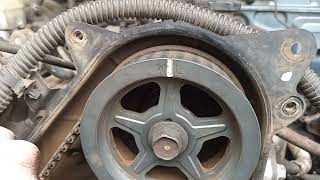
This is a moderately difficult job for an experienced home mechanic. It requires specific tools to lock the camshaft and crankshaft in place and to properly tension the new belt. 🎬 Watch: How to align the 2.5 WL timing marks Mistakes can lead to severe engine damage. If you are not 100% confident, it is best to leave this job to a professional mechanic.
🎬 See a full walkthrough of the timing belt replacementShould I just replace the belt and not the other parts?
No. The tensioner and idler pulleys wear out at a similar rate to the belt. A worn pulley can seize or fail, which will destroy your new belt and cause the same engine damage as a belt failure. Always replace everything in the kit.
Are there any recalls for the timing belt on my Courier?
No. There are no official recalls for the timing belt on the 1999-2003 Ford Courier. The only major recall for this vehicle generation in its primary markets (like Australia) was for Takata airbags. Timing belt replacement is considered a standard maintenance item.
Helpful Videos

Technical Specifications
Belt Tooth Count: 101, Belt Width: 30mm

The information in this article is provided for general reference and educational purposes only. Vehicle specifications, procedures, and part compatibility can vary by production date, trim level, and region. Always consult your vehicle's factory service manual and verify part numbers before purchasing or performing repairs. Safety-critical components such as airbags, seat belts, and braking systems should be installed by a qualified professional.
- Ford Courier: