

Ford F-150 (1999-2003) Engine Valve Lifter Replacement Guide
Hearing a ticking noise from your F-150's engine? This guide covers common symptoms and how to choose the right replacement valve lifters.
- A persistent ticking noise is the most common symptom of a bad valve lifter and should be diagnosed promptly.
- For a lasting repair, replace all lifters at once, not just the one that failed.
- Premium aftermarket brands like Melling and Sealed Power offer excellent quality and are highly recommended for this repair.
- Always prime new lifters by soaking them in clean engine oil before installation to prevent noise and damage on startup.
Is Your F-150's Engine Ticking? It Could Be the Valve Lifters.

A rhythmic ticking or tapping noise coming from the top of your engine, especially when it's cold, is a classic sign of a failing valve lifter. This sound occurs because a worn or collapsed lifter isn't holding oil pressure, creating a small gap in the valvetrain. What you hear is the metal-on-metal impact as the slack is taken up every time the valve opens. While some light ticking that disappears as the engine warms up can be common, a persistent tick that gets faster with engine RPM points to a problem that needs attention.
Don't Ignore the Noise
While a light tick might seem harmless, a collapsed lifter can lead to more severe engine problems over time. It can cause a misfire, trigger the check engine light, and in worst-case scenarios, lead to damage to the camshaft or other valvetrain components. It's best to diagnose the issue promptly.
Known Issues, Recalls, and TSBs

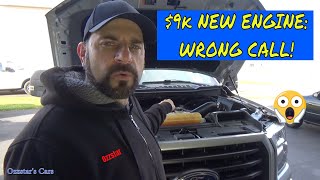
For the 1999-2003 F-150 generation, there are no specific recalls or widespread Technical Service Bulletins (TSBs) directly related to engine valve lifter failure. Most issues are due to normal wear and tear over many miles, or problems with oil pressure or quality. Sometimes, a ticking noise can be mistaken for a bad lifter when it's actually a common exhaust manifold leak, which these trucks are also known for. It's wise to confirm the source of the noise 🎬 Watch: How to diagnose a tick before replacing the engine before starting repairs. A mechanic's stethoscope can help pinpoint if the sound is coming from the valve cover area (lifters) or the exhaust manifold.
Choosing the Right Aftermarket Valve Lifters

When replacing lifters, you have a choice between OEM and several aftermarket brands. For a vehicle of this age, a high-quality aftermarket part often provides the best balance of performance and value. It's highly recommended to replace all lifters on a cylinder bank, or all of them in the engine, at the same time to ensure consistent performance and avoid having to do the job again.
Brand Quality Tiers
- Premium Aftermarket (Melling, Sealed Power): These brands are well-regarded by mechanics for engine components. Melling is often praised for quality comparable to or even exceeding OEM standards, with some users noting their lifters have larger oil ports for better flow. Sealed Power (a brand under Federal-Mogul) is another trusted name with a long history of producing reliable engine parts. Reviews for both are consistently positive, making them a solid choice for a durable repair.
- Standard Aftermarket (DNJ Engine Components): DNJ offers budget-friendly parts that are engineered to meet or exceed OEM specifications. They are a viable option for owners looking for a cost-effective solution. However, some anecdotal reports on other engine applications suggest paying close attention to fit and finish.
- Other Brands (CRP, DJ Rock): These brands are typically found in the economy price range. While they can get your truck back on the road, long-term durability may not match that of the premium brands. They are best suited for budget-conscious repairs where the vehicle's remaining service life is a factor.
Pro Tip: Prime Your New Lifters
Before installation, it's crucial to soak your new lifters in fresh engine oil for at least 30 minutes, and ideally overnight. This "primes" them by allowing oil to fill the internal hydraulic mechanism, ensuring they are quiet and function correctly from the very first startup.
🎬 See this walkthrough on removing and installing Ford modular liftersCost to Replace Engine Valve Lifters (1999-2003 F-150)

| Part/Service | Estimated Cost |
|---|---|
| New Aftermarket Lifters (Per Lifter) | $15.74 - $52.85 |
| New Aftermarket Lifter Set (V8, 16 Lifters) | $250 - $845 |
| Shop Labor | $600 - $1,200 |
| Total Professional Replacement | $850 - $2,045+ |
Note: Costs are estimates and can vary based on your location, the specific engine in your F-150, and the repair shop's labor rates. The job often requires replacing valve cover gaskets as well.
Frequently Asked Questions (FAQ)
Can I replace just one bad lifter?
While you can replace just the single failed lifter, it is not recommended. The labor involved to access the lifters is significant. If one lifter has failed due to age or wear, the others are likely in similar condition. Replacing them all at once is the best practice to ensure a long-lasting repair and prevent a repeat job in the near future.
Is a ticking noise always a bad valve lifter?
No. On the 1999-2003 F-150, a ticking noise can also be caused by a cracked exhaust manifold or a leaking manifold gasket, which is a very common issue. Low oil level or poor oil quality can also cause lifters to be noisy. It's important to properly diagnose the source of the sound before buying parts.
Is this a DIY-friendly job?
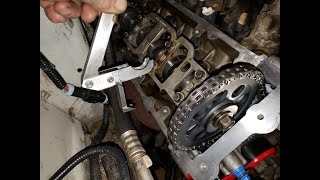
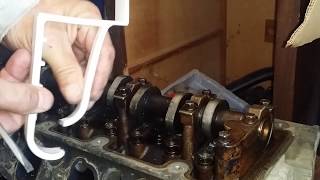
For an experienced home mechanic, yes. The process involves removing the valve covers, and on the 4.6L/5.4L OHC engines, carefully removing the camshaft followers (rocker arms) to access the lifters. It does not require removing the camshafts on these models. However, it requires attention to detail, cleanliness, and the right tools. 🎬 Watch: How to use the special tool for rocker arms For a novice, this job can be challenging.
What else should I replace at the same time?
Since you will be removing the valve covers, it is essential to install new valve cover gaskets to prevent oil leaks. It is also a good time to inspect the camshaft followers (rocker arms) for wear on the rollers and replace any that are not perfectly smooth.
Helpful Videos
Technical Specifications
OEM Part Numbers: F2SZ-6500-B F2SZ-6500-A
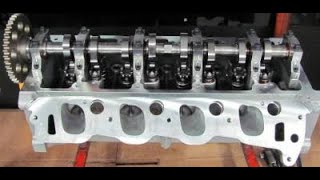
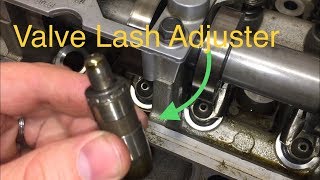
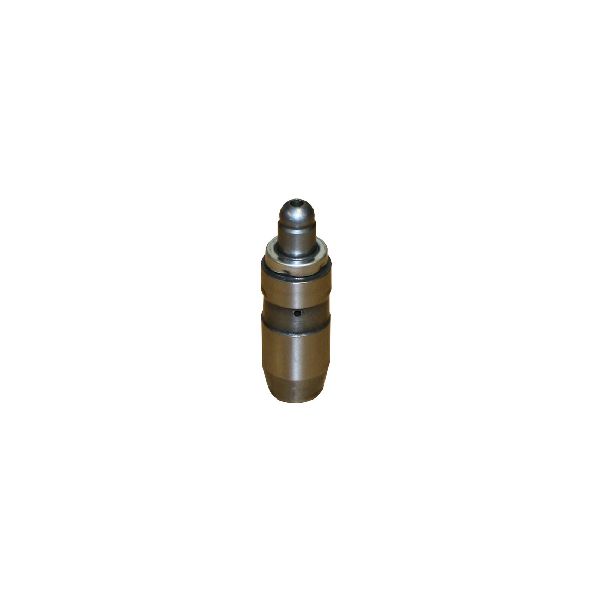
The 1999-2003 Ford F-150 with the 4.6L and 5.4L V8 engines use a hydraulic roller lifter design, often referred to as a hydraulic lash adjuster. The 4.2L V6 uses a similar hydraulic roller tappet. All are designed to be serviced without removing the camshafts.
We Have This Part in Stock


The information in this article is provided for general reference and educational purposes only. Vehicle specifications, procedures, and part compatibility can vary by production date, trim level, and region. Always consult your vehicle's factory service manual and verify part numbers before purchasing or performing repairs. Safety-critical components such as airbags, seat belts, and braking systems should be installed by a qualified professional.
- Ford F-150:
- 🎬 Helpful Videos
- 🛍️ Shop This Part
- Is Your F-150's Engine Ticking? It Could Be the Valve Lifters.
- Don't Ignore the Noise
- Known Issues, Recalls, and TSBs
- Choosing the Right Aftermarket Valve Lifters
- Brand Quality Tiers
- Pro Tip: Prime Your New Lifters
- Cost to Replace Engine Valve Lifters (1999-2003 F-150)
- Frequently Asked Questions (FAQ)
- 🎟️ Get 5% Off