

Ford Thunderbird (1999-2003) HVAC Heater Hose: A Complete Guide
Everything you need to know before replacing the HVAC heater hoses on your 11th generation Ford Thunderbird.
- Heater hose failure can lead to serious engine overheating. Address symptoms like leaks or a sweet smell immediately.
- This platform has a known issue with the Dual Coolant Control Valve (DCCV) that can mimic hose problems; check it before replacing parts unnecessarily.
- A Ford TSB (06-21-19) points to potential coolant flow issues; if you've had repeat heater core failures, investigate this as a root cause.
- Always use direct-fit molded hoses from quality aftermarket brands like Gates or Continental; do not use universal hoses.
Symptoms of a Failing Heater Hose
A bad heater hose is usually easy to spot. Because they carry coolant, the signs of failure are often messy and can pose a risk to your engine if ignored. Keep an eye (and nose) out for these common symptoms.
- Visible Coolant Leaks: This is the most obvious sign. You may see puddles of green, orange, or pink fluid under your car, especially towards the passenger side of the engine bay. You might also see coolant dripping from the hoses themselves.
- Sweet Smell: Engine coolant has a distinct sweet smell. If you notice this smell inside or outside your Thunderbird, it's a strong indicator of a coolant leak from a hose, the radiator, or the heater core.
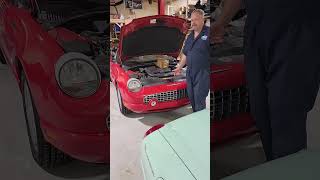
- Engine Overheating: A significant leak in a heater hose can lead to a loss of coolant. If the coolant level gets too low, the engine can't cool itself properly, causing it to overheat. 🎬 Watch: Diagnostic overview for Thunderbird overheating issues. This is a serious condition that can cause major engine damage.
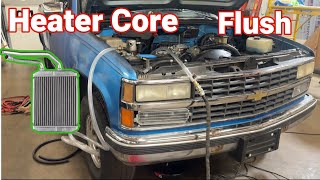
- No Cabin Heat: If a hose is severely clogged or has completely failed, not enough coolant will reach the heater core. This will result in lukewarm air 🎬 Watch: How to back flush a clogged heater core. or no heat at all coming from your vents, even when the engine is at full operating temperature.
- Damaged Hoses: Visually inspect the heater hoses. Look for cracks, bulging, sponginess, or hardening. A hose that feels mushy or, conversely, rock-hard and brittle is at the end of its life and should be replaced before it fails completely.
Known Issues for the 1999-2003 Thunderbird
TSB 06-21-19: Repeat Heater Core Leaks
Ford issued Technical Service Bulletin 06-21-19 for the 2002-2005 Thunderbird regarding repeat heater core failures. While not a hose failure itself, it's directly related. The TSB notes that high coolant flow rates or electrolysis (electrical current in the coolant) could cause the heater core to leak. If you are replacing your hoses due to a heater core failure, it is critical to address the root cause. This may involve checking for proper electrical grounds and potentially installing a Ford-specified coolant restrictor in the heater inlet hose to reduce flow pressure. Failure to do so may result in the new heater core failing prematurely.
Check the Dual Coolant Control Valve (DCCV)
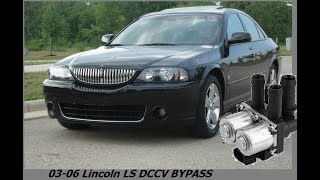
A very common issue on this Thunderbird platform is the failure of the Dual Coolant Control Valve (DCCV). This valve controls the flow of coolant to the heater core. When it fails, it can cause the A/C to blow hot air or create other heating problems. While diagnosing a faulty DCCV, mechanics often clamp the heater hoses to isolate it. If you're experiencing heating issues, it's wise to inspect the DCCV, as it may be the true source of your problem, 🎬 See how to inspect and test the DCCV. not the hoses themselves.
Choosing the Right Aftermarket Heater Hose
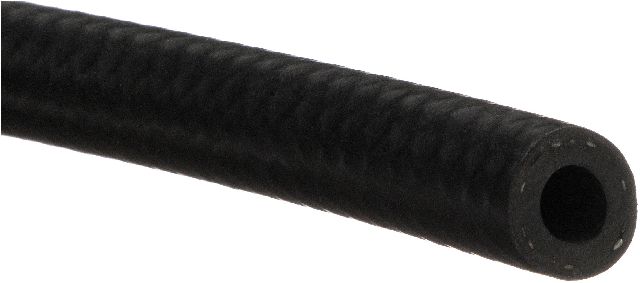
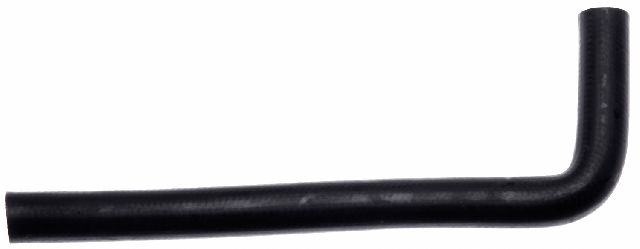
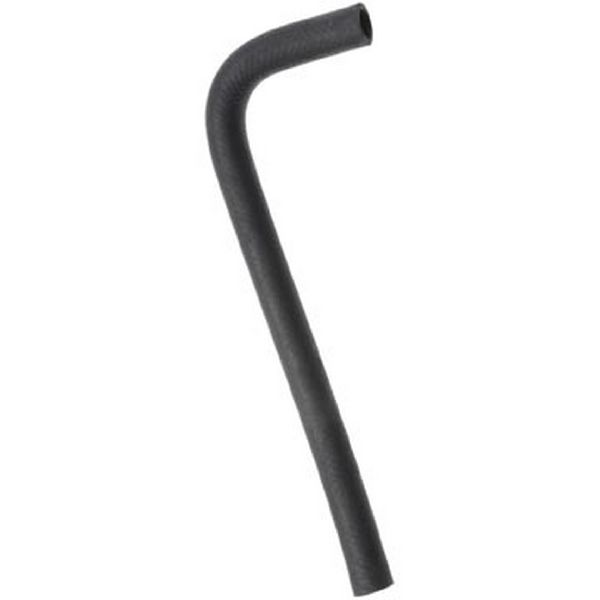
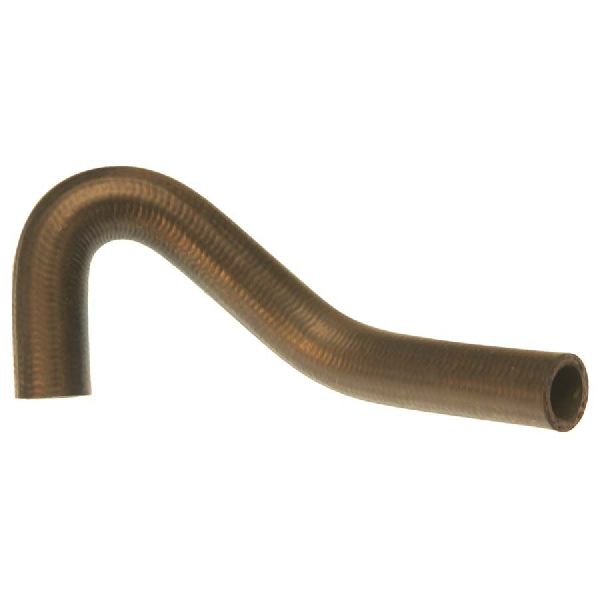
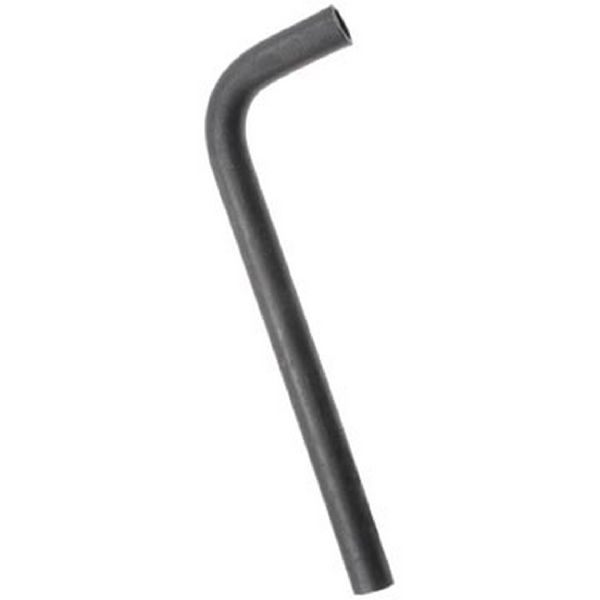
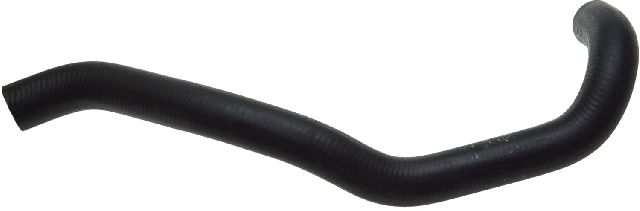
For a vehicle of this age, finding original Ford (OEM) hoses can be difficult and expensive. High-quality aftermarket hoses offer excellent performance and value. The key is choosing a reputable brand. The hoses for the Thunderbird are often molded into specific shapes to navigate the tight engine bay, so a direct-fit, model-specific part is essential.
| Brand Tier | Brands | Quality & Fitment Assessment |
|---|---|---|
| Premium Aftermarket | Gates, Continental | Gates is widely regarded by mechanics as a top-tier choice for hoses and belts, often matching or exceeding OEM quality and fitment. Continental (sometimes branded as ContiTech) is also a strong, reputable brand known for producing OEM parts for many manufacturers. You can be confident in the quality and longevity of hoses from either of these brands. |
| Standard Aftermarket | Dayco | Dayco is a well-known brand that produces reliable parts. While some mechanics have noted occasional fitment issues compared to Gates, their hoses are generally considered a good, budget-friendly option that will perform correctly. For a daily driver, Dayco hoses are a perfectly acceptable choice. |
Frequently Asked Questions (FAQ)
How many heater hoses does the 1999-2003 Thunderbird have?
The system uses multiple hoses. There is an inlet and an outlet hose for the heater core, but the full assembly can be complex, involving T-fittings and connections to other components like the coolant reservoir and the Dual Coolant Control Valve (DCCV). It's best to inspect your specific vehicle to see which sections need replacement.
Is it okay to use a universal or 'cut-to-fit' hose?
No. The heater hoses on the Thunderbird are specifically molded with precise bends to route around the engine and other components without kinking or rubbing. Using a straight or universal hose will almost certainly lead to a kink, which will block coolant flow and could cause the hose to fail prematurely. Always buy a direct-fit molded hose for your specific vehicle.
Should I replace the hose clamps at the same time?
Yes, absolutely. It is highly recommended to replace the old hose clamps whenever you replace a hose. The original spring-type clamps can lose their tension over time, and worm-gear clamps can wear out. New clamps are inexpensive and provide peace of mind that your new hoses are secured properly and won't leak.
What type of coolant should I use for my Thunderbird?
Always use the coolant type specified by Ford for your vehicle. Using the wrong type of coolant can lead to corrosion, gelling, and damage to cooling system components, including the heater core and hoses. Check your owner's manual or a reliable service guide for the correct coolant specification.
Helpful Videos

Technical Specifications
OEM Part Numbers: XW4Z18495AA
The 1999-2003 Ford Thunderbird uses a 3.9L V8 engine. The heater hoses are molded EPDM rubber designed to withstand temperatures from -40°F to 275°F and are specific to the vehicle's layout, often incorporating complex shapes and T-fittings.
We Have This Part in Stock

The information in this article is provided for general reference and educational purposes only. Vehicle specifications, procedures, and part compatibility can vary by production date, trim level, and region. Always consult your vehicle's factory service manual and verify part numbers before purchasing or performing repairs. Safety-critical components such as airbags, seat belts, and braking systems should be installed by a qualified professional.
- Ford Thunderbird: