

Accessory Drive Belts for the 1999-2003 Lexus RX300: A Complete Guide
Your RX300 has two drive belts, not one—here’s how to choose the right replacements and avoid common problems.
- Your RX300 has two separate drive belts: one for the alternator/AC and one for power steering.
- Squealing is the most common sign of failure and is often caused by a worn belt or incorrect manual tension.
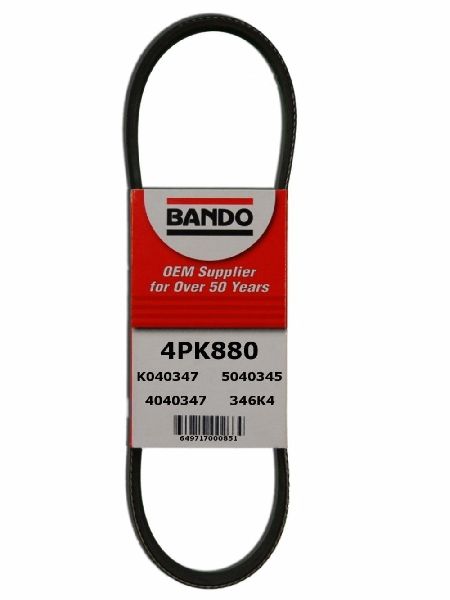
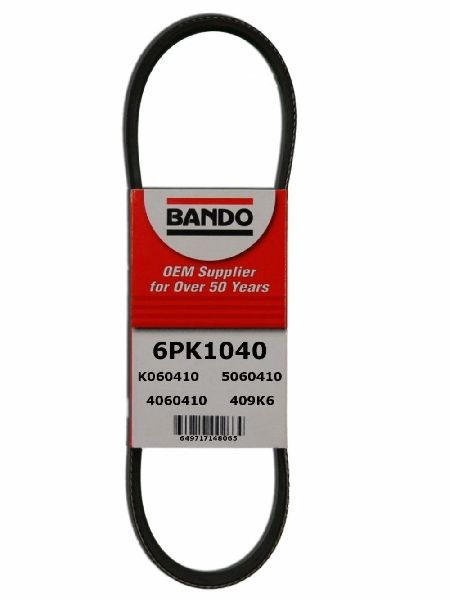
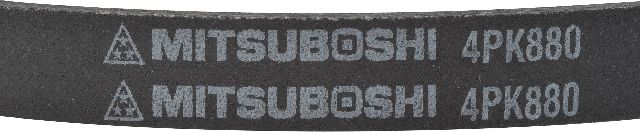
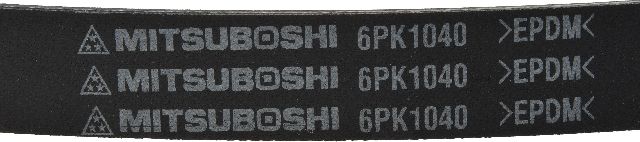
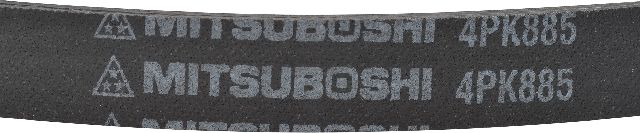
- Choose high-quality aftermarket brands like Bando or Mitsuboshi, which are often the original suppliers for Lexus.
- Always replace both belts at the same time to save on labor, as the outer belt must be removed to access the inner one.
Signs of a Failing Drive Belt on Your RX300

When a drive belt starts to fail, it usually provides clear warning signs. Ignoring them can lead to a loss of power steering or a dead battery, potentially leaving you stranded. Watch for these common symptoms.
Critical Failure Warning
If a belt breaks completely, you will immediately lose power to the accessories it runs. A broken power steering belt will make the steering suddenly very heavy and difficult to turn. A broken alternator belt will cause the battery to stop charging, and the car will eventually die.
1. Squealing or Chirping Noises
This is the most common sign of a worn or loose belt. You might hear a high-pitched squeal when you first start the engine, especially in cold or wet weather. The noise may also appear when you turn the steering wheel or switch on the A/C. This sound is caused by the belt slipping on the pulleys.
2. Visible Wear and Tear
A visual inspection can tell you a lot. Pop the hood and look at the two belts at the front of the engine. You should replace them if you see:
- Cracks, especially multiple cracks in a row
- Frayed or split edges
- A shiny, smooth, or “glazed” surface on the ribbed side
- Missing ribs or chunks of rubber
3. Accessory Performance Issues
A slipping belt can't properly power your accessories. You might notice dimming headlights or a battery warning light on the dashboard (from the alternator), or the steering becoming heavy intermittently (from the power steering pump).
Choosing the Right Aftermarket Belts

For the RX300, you don't need to buy expensive OEM belts from a dealer to get reliable performance. Many aftermarket brands are made by the same companies that supply Lexus from the factory. The key is choosing a quality brand that resists stretching, as your vehicle uses a manual tensioning system.
| Brand Tier | Brands | Assessment |
|---|---|---|
| OEM Supplier | Bando, Mitsuboshi | These brands are known original equipment manufacturers for Toyota and Lexus. They offer the same quality and fit as the dealer part, often at a lower price. Highly recommended for a perfect fit and long life. |
| Premium Aftermarket | ACDelco, Gates, Dayco | These are trusted brands used by professional mechanics. They produce durable EPDM rubber belts that meet or exceed OEM specifications and are excellent at resisting noise. Some owners report their RX300 came from the factory with Dayco belts. |
Pro Tip: Replace Belts in Pairs
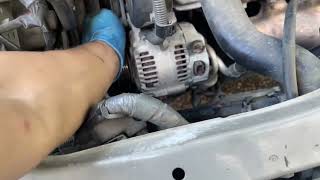
Since your RX300 has two separate accessory belts, it's smart to replace both at the same time. The outer belt (Alternator/AC) must be removed to get to the inner belt 🎬 See this walkthrough for accessing and removing the alternator belt (Power Steering) anyway. Replacing them as a set saves you from doing the same job twice and ensures both belts are in good condition.
Frequently Asked Questions (FAQ)

Are there any recalls for the drive belts on my RX300?
No. A search of the National Highway Traffic Safety Administration (NHTSA) database shows no recalls specifically for the accessory drive belts on the 1999-2003 Lexus RX300.
Why does my new belt still squeal?
If a new belt is squealing, the cause is almost always improper tension. The 1999-2003 RX300 has a manual tensioner, meaning the alternator and power steering pump must be physically moved to set the tension. 🎬 Watch: How to properly adjust the belt tensioner on your RX300 A belt that is too loose will slip and squeal, while a belt that is too tight can cause premature failure of the bearings in your alternator or power steering pump. The noise could also be caused by a failing pulley bearing, not the belt itself.
What's the difference between these belts and the timing belt?
Your RX300's 3.0L V6 engine has both. The two accessory drive belts are visible when you open the hood and run your alternator, A/C, and power steering. The timing belt is hidden behind plastic covers and is much more critical; it keeps the engine's internal parts synchronized. A broken timing belt will cause severe engine damage, while a broken accessory belt will just disable accessories.
How often should I replace the accessory drive belts?
There is no strict mileage interval like a timing belt, but they should be inspected at every oil change. Generally, they are replaced based on condition or as a preventative measure every 60,000 to 90,000 miles. Given the age of these vehicles, if the belts are original, they should be replaced immediately.
Helpful Videos


Technical Specifications
OEM Part Numbers: 99366-21040-83 (Alternator / AC Belt) 90080-91088-83 (Power Steering Belt)
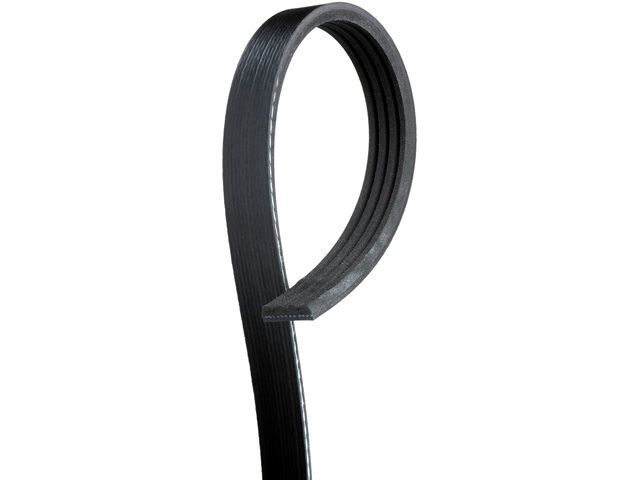
System: Dual V-Ribbed Belts Tensioner Type: Manual Adjustment
We Have This Part in Stock

The information in this article is provided for general reference and educational purposes only. Vehicle specifications, procedures, and part compatibility can vary by production date, trim level, and region. Always consult your vehicle's factory service manual and verify part numbers before purchasing or performing repairs. Safety-critical components such as airbags, seat belts, and braking systems should be installed by a qualified professional.
- Lexus RX300:
- 🎬 Helpful Videos
- 🛍️ Shop This Part
- Signs of a Failing Drive Belt on Your RX300
- Critical Failure Warning
- 1. Squealing or Chirping Noises
- 2. Visible Wear and Tear
- 3. Accessory Performance Issues
- Choosing the Right Aftermarket Belts
- Pro Tip: Replace Belts in Pairs
- Frequently Asked Questions (FAQ)
- 🎟️ Get 5% Off