

Lexus RX300 (1999-2003) Oxygen and Air/Fuel Sensor Replacement Guide
Everything you need to know before replacing the oxygen or air/fuel sensors on your first-generation Lexus RX300.
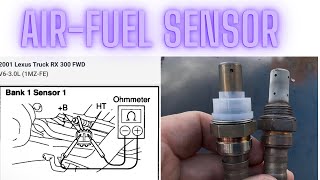
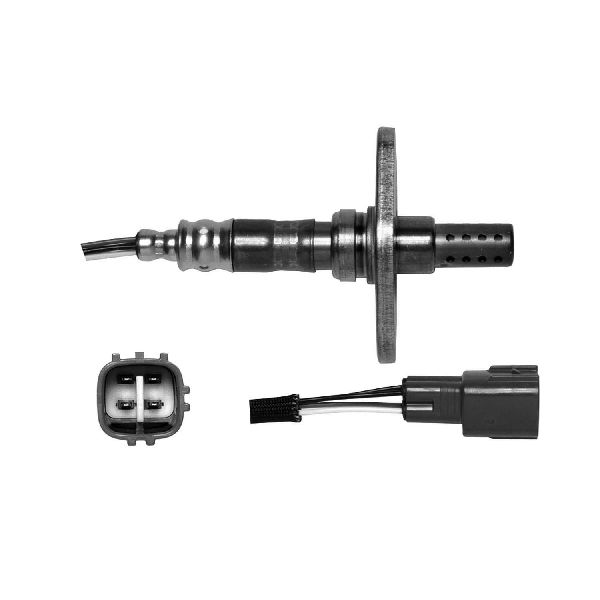
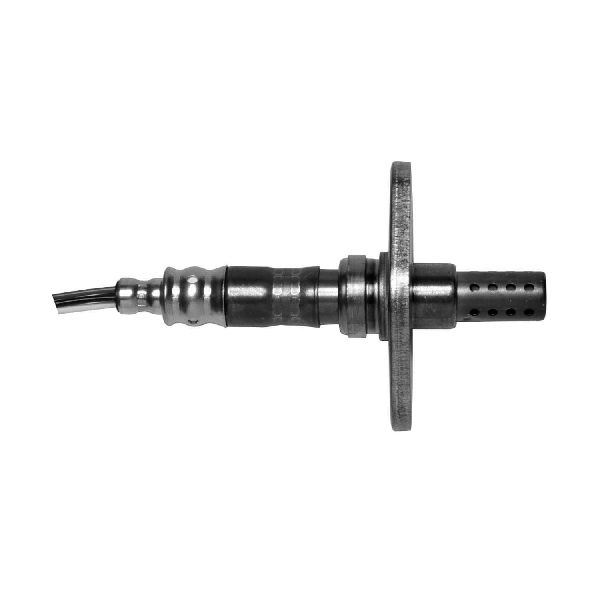
- Your RX300 uses two upstream Air/Fuel (A/F) sensors and two downstream Oxygen (O2) sensors; they are not interchangeable.
- Insist on using Denso brand direct-fit sensors. They are the OEM supplier and will prevent compatibility issues common with other brands on this vehicle.
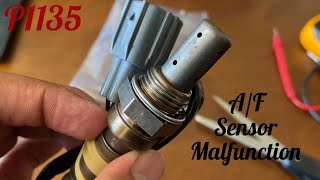
- The most common failure is the Bank 1, Sensor 1 (rear, upstream) A/F sensor, which triggers code P1135.
- Be prepared for a difficult replacement. The rear bank sensors are hard to reach, and all sensors can be seized in the exhaust, requiring special tools and penetrating oil.
Understanding Your RX300's Sensor Layout

Your RX300 has a V6 engine with two cylinder banks, and each bank has its own set of sensors. This means you have a total of four sensors:
- Bank 1: This is the cylinder bank at the rear of the engine, closest to the firewall. It is the most difficult to access.
- Bank 2: This is the cylinder bank at the front of the engine, closest to the radiator. It is much easier to access.
- Sensor 1: This refers to the upstream Air/Fuel Ratio Sensor (before the catalytic converter).
- Sensor 2: This refers to the downstream Oxygen Sensor (after the catalytic converter).
For example, a common fault code, P1135, refers to the "Bank 1, Sensor 1" A/F sensor. This tells you the problem is with the upstream sensor on the difficult-to-reach rear cylinder bank.
Symptoms of a Failing Oxygen or A/F Sensor

The most obvious sign of a bad sensor is a Check Engine Light on your dashboard. On the RX300, the "VSC" and "TRAC OFF" lights will often illuminate at the same time as the Check Engine Light. Other symptoms include:
- Reduced fuel economy
- Rough or poor idling
- Failing an emissions inspection
- A sulfur or "rotten egg" smell from the exhaust
Known Issue: P1135 Code
The most common failure on the 1999-2003 RX300 is a malfunction in the heater circuit of the Bank 1, Sensor 1 Air/Fuel sensor, which triggers the diagnostic trouble code P1135. This specific code almost always means the sensor itself has failed and needs to be replaced.
Choosing the Right Aftermarket Sensor

When it comes to sensors for your Lexus, brand choice is critical. These are sensitive electronic parts, and the engine computer is calibrated to expect signals from a specific type of sensor. Using the wrong brand can lead to persistent check engine lights, poor performance, or premature failure, even if the part is new.
Brand Quality Tiers for Lexus RX300
| Tier | Brand(s) | Recommendation |
|---|---|---|
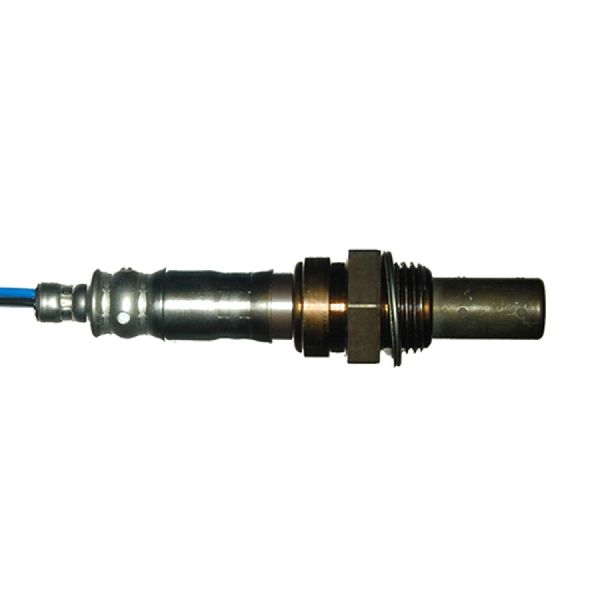
| Tier 1: OEM Equivalent | Denso | Highly Recommended. Denso is the Original Equipment Manufacturer (OEM) for Lexus. An aftermarket Denso sensor is often the exact same part you would get from a Lexus dealer, just in a different box and at a lower price. For the upstream A/F sensors, using Denso is almost mandatory to avoid issues. |
| Tier 2: Reputable Aftermarket | NGK (NTK), Bosch | These brands are major players in the sensor market. However, many RX300 owners report issues, especially with Bosch A/F sensors not working correctly with the Toyota/Lexus engine management system. They might be a viable option for the less-critical downstream O2 sensors, but Denso is still the safer choice. |
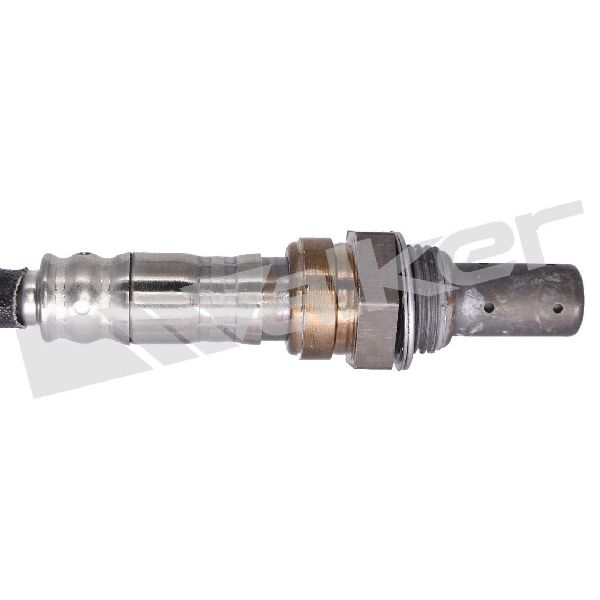
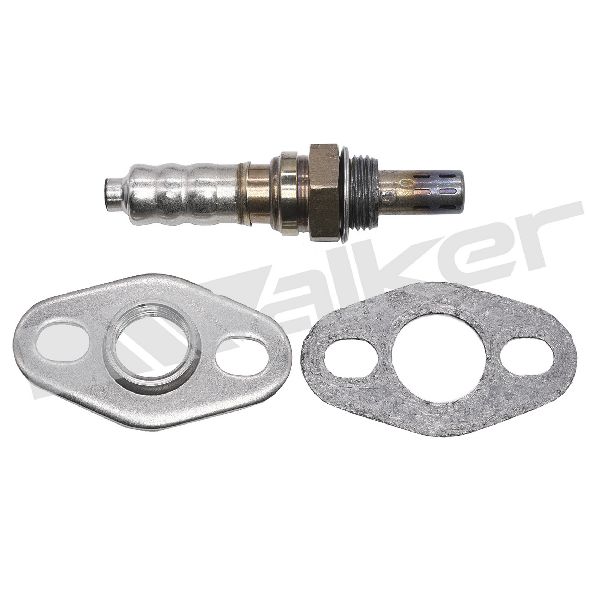
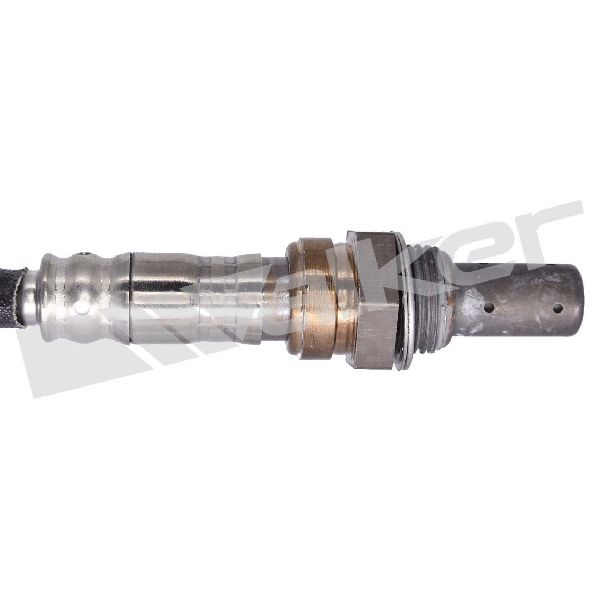
| Tier 3: Budget Brands | Walker, DriveWire, Spectra, Universal Parts | Not Recommended. While the low price is tempting, these sensors, especially "universal" types that require you to splice wires, have a very high failure rate on this vehicle. You will likely spend more time and money replacing a failed budget sensor than if you had purchased a quality Denso part from the start. |
Installation Tips
Replacing these sensors can range from easy to very difficult. The front sensor (Bank 2, Sensor 1) is easily accessible in the engine bay. However, the rear sensor (Bank 1, Sensor 1) is notoriously difficult to reach from underneath the car. Sensors are often seized in the exhaust pipe. Always use a high-quality penetrating oil like PB Blaster and a special 22mm (or 7/8") slotted oxygen sensor socket to avoid stripping the sensor or damaging the wires.
Frequently Asked Questions (FAQ)

How many oxygen sensors are on a 1999-2003 Lexus RX300?
There are four sensors in total: two upstream Air/Fuel Ratio sensors and two downstream Oxygen sensors, one of each for each cylinder bank.
What is the difference between Bank 1 and Bank 2?
Bank 1 is the rear cylinder bank, near the firewall. Bank 2 is the front cylinder bank, near the radiator.
Why is everyone so insistent on using Denso sensors?
Denso is the original manufacturer for Lexus engine sensors. The RX300's computer is specifically tuned for the electrical signals and response time of Denso sensors. Using other brands, particularly for the critical upstream A/F sensors, often results in codes returning, poor performance, or the new sensor failing quickly.
Can I use a cheaper "universal" oxygen sensor?
It is strongly advised not to. Universal sensors require cutting and splicing wires, which can introduce errors. More importantly, their internal components are often not compatible with the RX300's sensitive engine control system, leading to persistent problems.
Are there any recalls for the oxygen sensors on the RX300?
No, there are no official recalls or technical service bulletins (TSBs) from Lexus or the NHTSA for oxygen sensor failures on the 1999-2003 RX300. The failures are common but are considered a standard maintenance or repair item.
Helpful Videos
Technical Specifications
OEM Part Numbers: 89467-48011 89467-48010 89465-49075
The 1999-2003 Lexus RX300 uses four sensors total. Two upstream wideband Air/Fuel Ratio sensors and two downstream narrowband Oxygen sensors. The correct sensor type (A/F vs O2) and location (Bank 1/2, Sensor 1/2) are critical for proper function.
We Have This Part in Stock

The information in this article is provided for general reference and educational purposes only. Vehicle specifications, procedures, and part compatibility can vary by production date, trim level, and region. Always consult your vehicle's factory service manual and verify part numbers before purchasing or performing repairs. Safety-critical components such as airbags, seat belts, and braking systems should be installed by a qualified professional.
- Lexus RX300: