

Lexus RX300 (1999-2003) Suspension Stabilizer Bar Link Replacement Guide
Hearing a clunking noise from your RX300's suspension? It's likely a worn stabilizer bar link.
- A clunking noise over bumps is the #1 symptom of a failed stabilizer link on the RX300.
- Aftermarket links are often cheaper and have better designs than the original factory parts.
- Always replace links in pairs (both front or both rear) to maintain balanced handling.
- Confirm if your RX300 is FWD or AWD before ordering rear links, as the parts can be different.
Is Your RX300 Making a Clunking Noise?
If you hear a clunking, rattling, or popping sound from the front or rear of your 1999-2003 Lexus RX300, especially when going over bumps or turning, a worn stabilizer bar link is the most common cause. These parts have small ball joints and bushings that wear out over time. After many years and miles, the joints become loose, causing the metal parts to knock against each other.
Other signs of failure include:
- Excessive Body Roll: Your RX300 may feel like it's leaning too much in corners, sometimes described as a "floaty" or loose feeling.
- Poor Steering Response: The vehicle may not feel as sharp or responsive when turning.
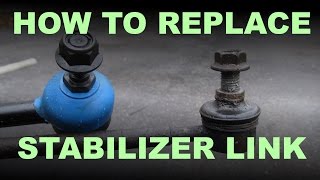
- Visible Wear: A visual inspection may show that the rubber boots on the link's joints are torn, or you might be able to move the link easily by hand, which indicates it's worn out. 🎬 Watch: How to diagnose a bad sway bar link sound
Don't Ignore the Noise
While a worn stabilizer link isn't immediately dangerous, it does affect your vehicle's handling and stability. The clunking noise will only get worse over time. Since the replacement is straightforward and affordable, it's best to fix it sooner rather than later.
Choosing the Right Aftermarket Stabilizer Link
For the 1999-2003 RX300, aftermarket stabilizer links are an excellent choice and often an improvement over the original factory design. Many owners find the original equipment (OEM) parts to be expensive and have a frustrating design that makes removal difficult. Aftermarket brands often use a better design, such as a hex head for a wrench instead of an Allen socket that can easily strip.
Here’s a breakdown of available brands:
| Brand Tier | Brands | Quality & Features |
|---|---|---|
| Premium Aftermarket | Delphi, Mevotech (Supreme/TTX lines), Moog (Problem Solver line) | Often meet or exceed OEM quality. May include features like greaseable fittings for longer life or heavier-duty construction. These are trusted choices for owners looking for durability and improved design. |
| Standard Aftermarket | Dorman, Mevotech (standard lines), Moog (R-Series) | A good balance of price and quality for daily driving. These are reliable replacements that get the job done without the higher cost of premium lines. Dorman is a common, budget-friendly choice. |
Pro Tip: Buy in Pairs
Stabilizer links should always be replaced in pairs (both front links or both rear links). If one has failed, the other is likely not far behind. Replacing them together ensures balanced handling and saves you from doing the same job twice.
Frequently Asked Questions (FAQ)
Is this the same part as a sway bar link?
Yes. "Stabilizer bar link" and "sway bar link" are two names for the same part. You will see both terms used.
Do I need different parts for the front and rear?
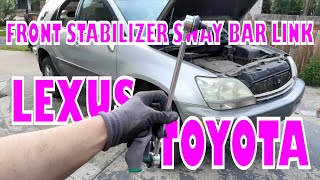
Yes, the front and rear links are different parts. The front left and front right links are also specific to each side. 🎬 See this walkthrough for replacing front stabilizer bar links Be sure to order the correct parts for the location you are replacing.
Are the parts different for FWD and AWD models?
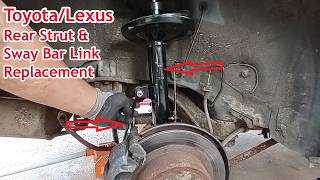
Yes, for the rear suspension, there can be differences between Front-Wheel Drive (FWD) and All-Wheel Drive (AWD) models. Always verify the fitment for your specific RX300 drivetrain before ordering 🎬 Watch: Easy guide for replacing rear struts and links to avoid mistakes.
Could my clunking noise be from a TSB issue?
While there are no common Technical Service Bulletins (TSBs) for the stabilizer links on the RX300, a clunking noise can also be caused by worn strut mounts, which was a known issue on these vehicles. However, stabilizer links are a more frequent cause, less expensive to fix, and easier to diagnose. A mechanic can quickly tell which part is causing the noise.
Is this a difficult job to do myself?
For a DIYer with the right tools, this is considered an easy job. The biggest challenge is often removing the old, rusted nuts. Soaking the nuts and bolts in penetrating oil for a few days before you start can help immensely. Lifting both front or both rear wheels off the ground is necessary to relieve tension on the stabilizer bar.
Helpful Videos

Technical Specifications
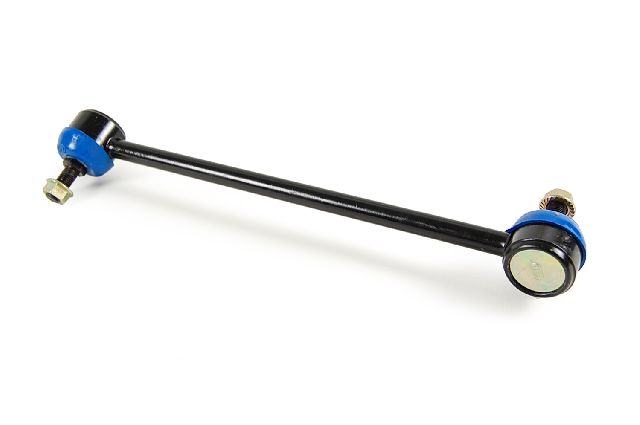
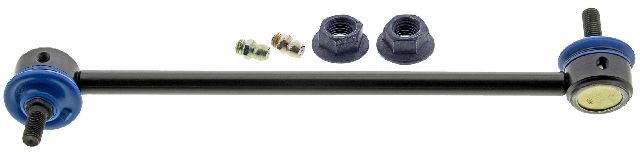
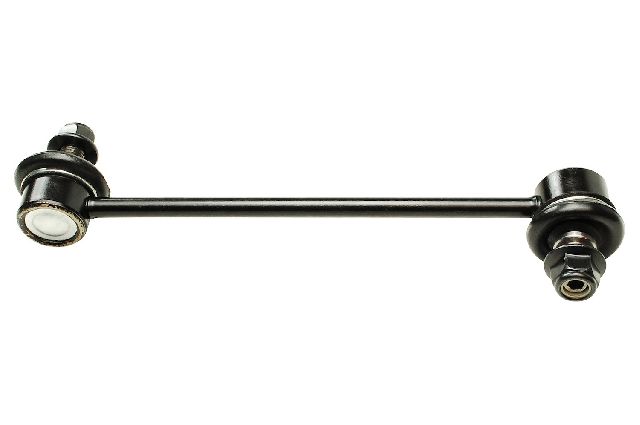
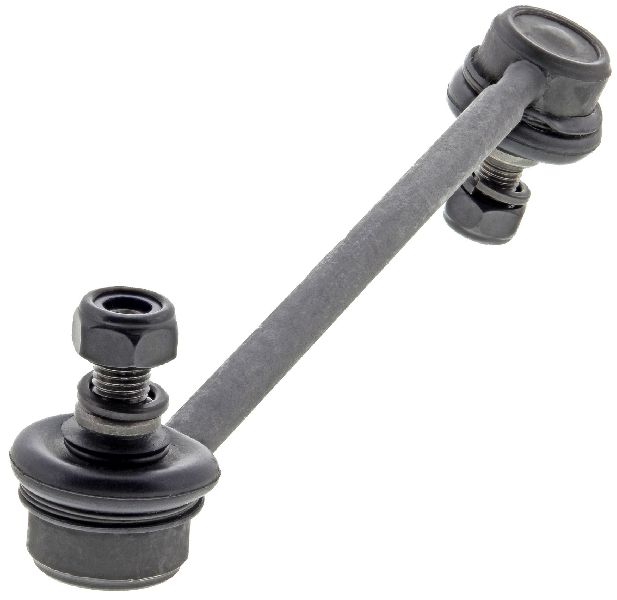
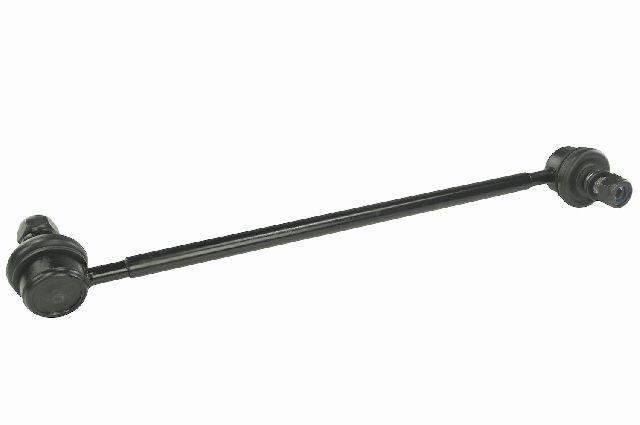
This part connects the stabilizer (sway) bar to the strut assembly in the front and the rear suspension knuckle. It consists of a short rod with a ball joint at each end. Aftermarket versions often feature improved designs, such as wrench flats for easier installation and greaseable joints. The part is also used on the 2001-2003 Toyota Highlander.
We Have This Part in Stock
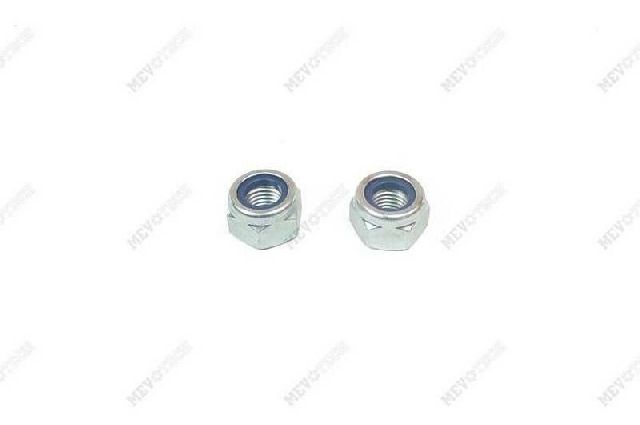

The information in this article is provided for general reference and educational purposes only. Vehicle specifications, procedures, and part compatibility can vary by production date, trim level, and region. Always consult your vehicle's factory service manual and verify part numbers before purchasing or performing repairs. Safety-critical components such as airbags, seat belts, and braking systems should be installed by a qualified professional.
- Lexus RX300: