

Lexus RX300 Vehicle Speed Sensor Guide for 1999-2003 Models
Experiencing erratic shifting or a dead speedometer? Your Vehicle Speed Sensor might be the culprit.
- Your RX300 has two identical speed sensors on the transmission; a P0500 code points to the output VSS but symptoms can be similar for either.
- Symptoms include harsh shifting, a dead or erratic speedometer, and an illuminated Check Engine Light.
- Before buying, try cleaning the magnetic tip of the sensor, as this can sometimes resolve the issue temporarily or permanently.
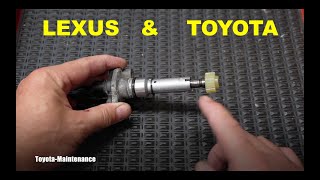
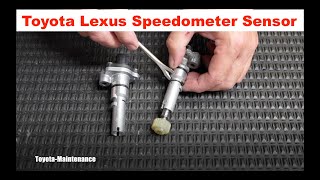
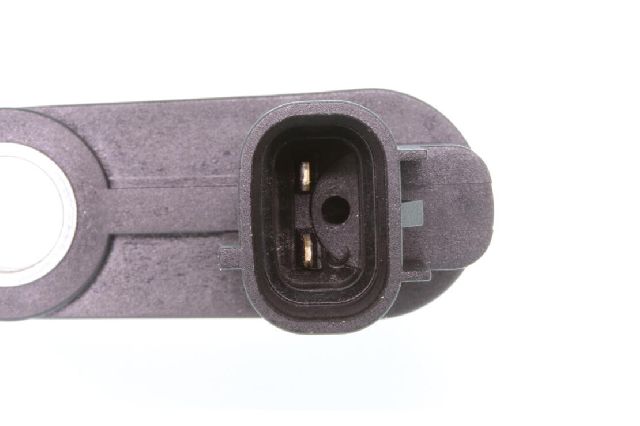
- Verify the connector keyway (centered or off-center) on your old part to ensure you purchase the correct replacement.
Understanding Speed Sensor Failure in Your RX300

The vehicle speed sensors on the 1999-2003 RX300 are a common failure point that can cause significant shifting problems and dashboard warnings. These two sensors are mounted on top of the transmission, underneath the air filter box. One measures the transmission's input shaft speed, while the other measures the output speed, which translates to your vehicle's road speed. A failure in either can trigger the Check Engine Light and the diagnostic trouble code P0500.
🎬 Watch: Diagnosing and fixing the P0500 speed sensor code.Symptoms of a Bad Vehicle Speed Sensor

When a speed sensor starts to fail, the symptoms are hard to ignore. Because the computer loses track of how fast you're going, it can't command shifts correctly. You might notice:
- Harsh or Delayed Shifting: The transmission may slam into gear or hesitate, especially on the first few shifts when the vehicle is cold.
- Erratic Speedometer: The speedometer needle may jump around, read incorrectly, or drop to zero while driving.
- Check Engine Light: A faulty speed sensor will almost always trigger a Check Engine Light with code P0500.
- Cruise Control Not Working: The cruise control system relies on a steady speed signal, so it will not function if the sensor is bad.
Input vs. Output Sensor: A Common Mistake
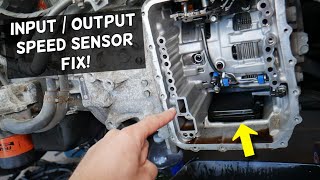
The RX300 uses two physically identical sensors on the transmission, but they have different functions. The P0500 code typically points to the main Vehicle Speed Sensor (Output), but problems with the Input (Turbine) sensor can also cause shifting issues. Many owners and even some shops replace the wrong one. Before ordering, it's a good idea to inspect the existing sensors or, if possible, swap their positions to see if the symptoms change, which can help isolate the faulty unit. 🎬 See this video to locate the input and output sensors. Sometimes, simply cleaning the magnetic tip of the sensor, which can collect metallic debris, can temporarily restore function.
Choosing the Right Aftermarket Speed Sensor

When it comes to electronic sensors, quality matters. While an OEM sensor from Lexus/Toyota is the benchmark, quality aftermarket brands offer a reliable and more affordable alternative. For a critical part like this, it's best to avoid the cheapest no-name options, which are more likely to fail prematurely.
Here's a look at the available brands:
- Premium Aftermarket (Delphi, Standard Ignition): These brands have a strong reputation for producing electronics that meet or exceed OE standards. They invest in their own engineering and testing, making them a trusted choice for a reliable repair.
- Quality Aftermarket (Walker Products, Holstein): These brands offer a good balance of quality and value. They are established in the aftermarket and produce a wide range of sensors that are designed to be direct-fit replacements.
- Standard/Value Tier (True Tech, Vemo): These brands provide a budget-friendly option. Vemo is often associated with European vehicles but offers parts for other applications. While functional, they may not have the same level of validation or longevity as the premium brands.
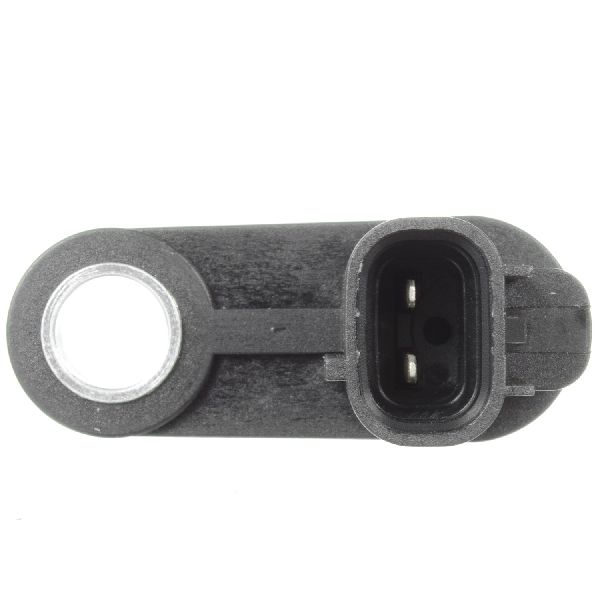
Pro Tip: Before you buy, check the connector on your existing sensor. There are two variations used on the RX300: one made by Aisin and one by Toyota. The keyway on the electrical connector is either centered or off-center. Ensure your new part matches the connector keyway to avoid installation problems.
Estimated Replacement Costs
| Part Type | Estimated Cost |
|---|---|
| New Aftermarket Sensor | $68.95 - $135.83 |
| New OEM Sensor | $150 - $250 |
| Shop Labor | $100 - $200 |
Note: Costs are estimates and can vary based on your location and the specific repair shop.
Frequently Asked Questions

Can I replace just one sensor?
Yes. While the sensors are identical, they don't typically fail at the same time. It is common practice to only replace the one that has failed. However, given the age of the vehicle and the relatively low cost of the part, some owners choose to replace both as preventative maintenance, especially since accessing them requires removing the airbox.
Is this a difficult DIY job?
For a moderately experienced DIYer, this is a very manageable job. The sensors are located on top of the transmission and can be accessed by removing the air filter housing. The job requires basic hand tools and takes about 30-60 minutes.
🎬 Follow this step-by-step walkthrough for a successful DIY repair.What is the difference between the input and output speed sensors?
The input (or turbine) speed sensor measures how fast the transmission's torque converter is spinning. The output speed sensor (VSS) measures how fast the transmission's output shaft is spinning, which corresponds to road speed. Both signals are used by the computer to control shifting. The P0500 code specifically refers to the output Vehicle Speed Sensor circuit.
Will cleaning the sensor fix the problem?
Sometimes, yes. The tip of the sensor is magnetic and can accumulate fine metal particles from normal transmission wear. This metallic fuzz can interfere with the sensor's signal. Many owners have had success by removing the sensor, wiping the tip clean, and reinstalling it. If the problem returns, the sensor's internal electronics are likely failing and it should be replaced.
Helpful Videos
Technical Specifications
OEM Part Numbers: 89413-33010 89413-48002 89413-08020 89413-24010
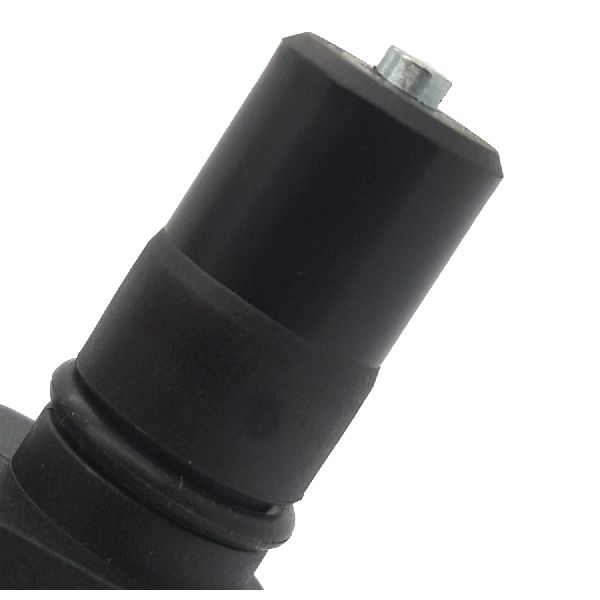
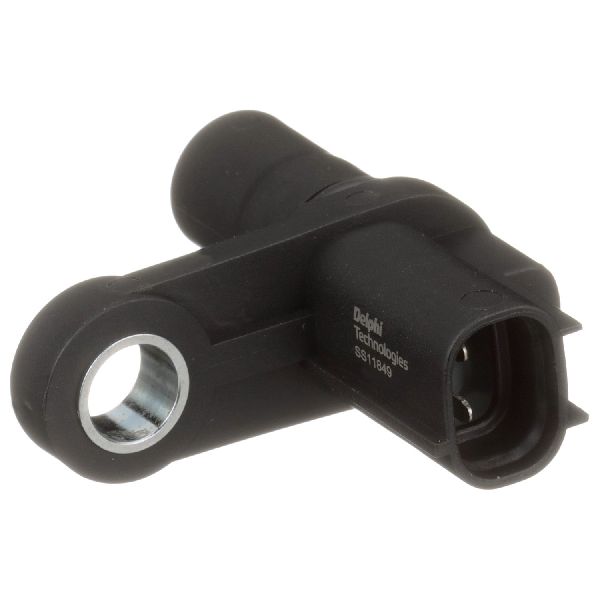
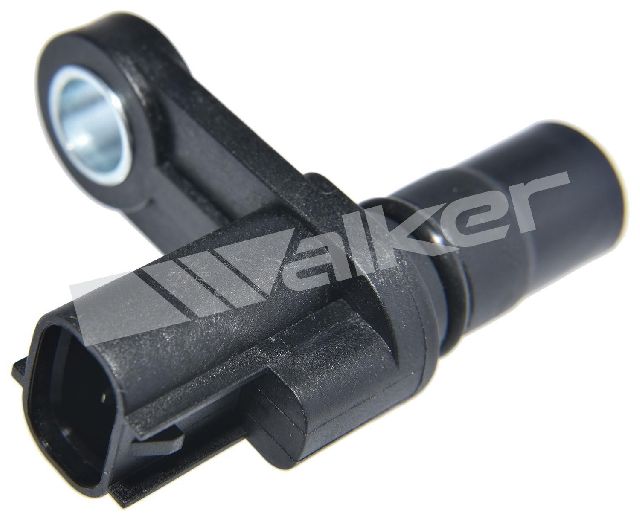
The 1999-2003 Lexus RX300 uses two 2-pin magnetic speed sensors located on the top of the automatic transaxle housing. One is for input speed and one is for output speed. They are held in by a single 12mm bolt.
We Have This Part in Stock


The information in this article is provided for general reference and educational purposes only. Vehicle specifications, procedures, and part compatibility can vary by production date, trim level, and region. Always consult your vehicle's factory service manual and verify part numbers before purchasing or performing repairs. Safety-critical components such as airbags, seat belts, and braking systems should be installed by a qualified professional.
- Lexus RX300: