

Mazda Protege Accessory Drive Belt Guide (1999-2003)
Everything you need to know about the two-belt system in your 1999-2003 Mazda Protege.
- Your Protege has two separate drive belts; it's best to replace both at the same time.
- Squealing is a very common issue, usually caused by incorrect tension from the manual adjusters.
- A broken water pump belt will cause rapid engine overheating; pull over immediately if the temperature gauge rises.
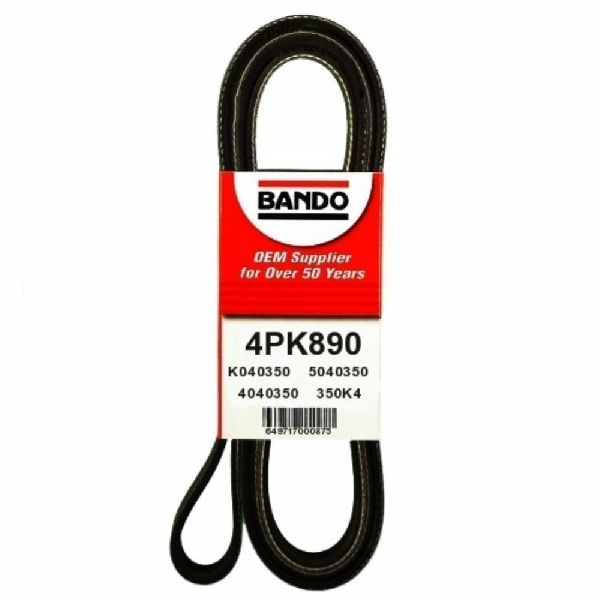
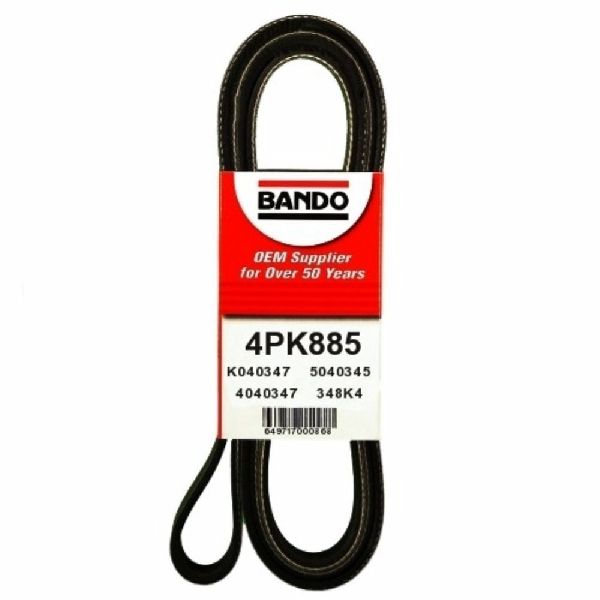
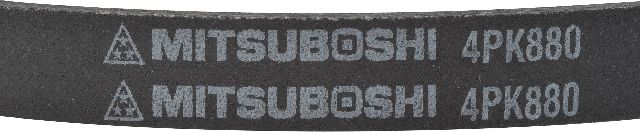
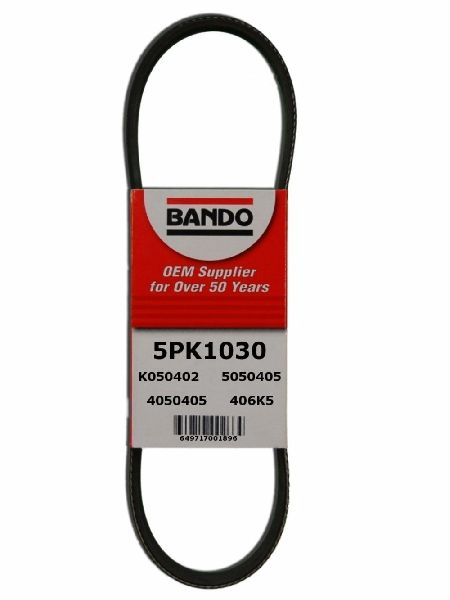
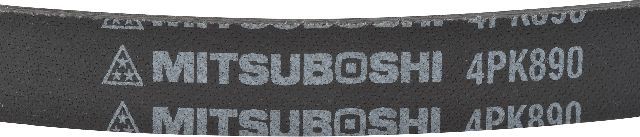
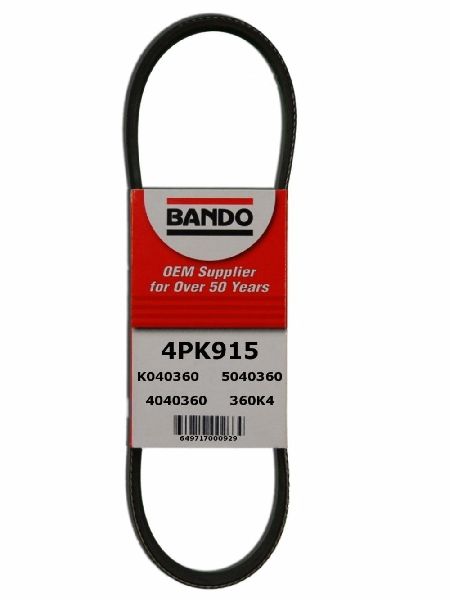
- Choose OEM-equivalent brands like Bando or Mitsuboshi for the best results and durability.
Understanding the Two-Belt System
Unlike many modern cars that use a single serpentine belt, your 1999-2003 Protege has a two-belt setup. One belt is responsible for the alternator and water pump, while the other handles the power steering and A/C. Because they are made of rubber, these belts wear out over time from heat and friction. It is a good practice to replace both belts at the same time, even if only one is showing signs of wear.
Symptoms of a Failing Drive Belt
A worn-out drive belt will usually give you clear warning signs before it fails completely. Ignoring these symptoms can leave you stranded.
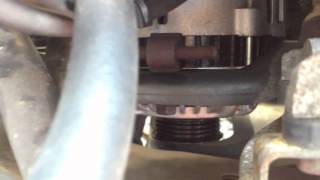
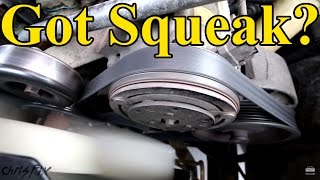
- Squealing Noises: This is the most common symptom for Protege owners. You may hear a high-pitched squeal when you start 🎬 Watch: How to identify the source of your belt squeak the engine, especially in cold or wet weather, when you turn on the A/C, or during sharp turns. This noise means the belt is slipping because it's loose or the rubber has become hard and glazed.
- Visible Damage: A visual inspection can reveal a lot. Look for cracks, fraying, missing chunks, or ribs that appear shiny and worn down. Any visible damage means the belt needs immediate replacement.
- Accessory Failure: If a belt snaps, the components it powers will stop working instantly. You may notice a battery warning light (failed alternator), loss of power steering (making the car very hard to turn), or your engine temperature rising rapidly (failed water pump).
Critical Failure Warning
The belt that drives the water pump is essential for engine cooling. If this belt breaks, your engine will overheat in minutes, which can cause catastrophic damage like a warped cylinder head. If you see the temperature gauge spike, pull over immediately and shut off the engine.
Choosing the Right Aftermarket Belt
You don't need to buy expensive belts from the dealership to get reliable performance. Quality aftermarket brands offer excellent durability and value. For this specific vehicle, which is prone to squealing, the brand choice can make a difference.
- OEM-Equivalent Brands (Bando, Mitsuboshi): Bando and Mitsuboshi are Japanese companies that are original equipment manufacturers for many Japanese cars like Honda and Mazda. Choosing one of these brands is as close to original quality as you can get. They are known for their durability and proper fit.
- Premium Aftermarket (ACDelco): ACDelco is a highly reputable brand known for producing quality parts across the board. While not an OEM supplier for Mazda, their belts are a reliable and trusted choice for general repairs.
Pro-Tip: Solving Persistent Squealing
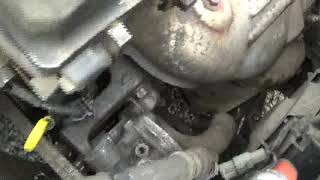
The 1999-2003 Protege is known for belt squeal. This is often due to incorrect belt tension, as the car uses manual tensioners, not automatic ones. If a new, properly tensioned belt still squeals, the pulley surfaces may be polished and smooth, preventing the belt from gripping. Some mechanics recommend lightly scuffing the pulley grooves with sandpaper or emery cloth during 🎬 See this walkthrough for replacing belts on a Protege 5 belt replacement to restore a gripping surface.
| Part Type | Price Range |
|---|---|
| New Aftermarket Belts (Each) | $15.61 - $44.01 |
| Shop Labor for Replacement (Both Belts) | $100 - $150 |
Frequently Asked Questions (FAQ)
Why does my new belt still squeal?
For the Protege, this is almost always due to incorrect tension. These cars have manual tensioners that are adjusted via bolts on the alternator and power steering pump. The belt must be tight enough not to slip, but not so tight that it puts stress on the component bearings. A common rule of thumb is allowing about a quarter-inch of flex in the middle of the belt's longest span.
Do I need to replace pulleys with the belts?
Your Protege does not have automatic tensioner pulleys that need routine replacement. However, while the belts are off, it is a perfect time to check the idler pulleys and the pulleys on each accessory (alternator, water pump, etc.). Spin each one by hand; they should spin smoothly and silently. If you feel grinding or hear noise, the component's bearing is failing and it should be replaced.
Are there any recalls for the drive belts?
No. A search of the National Highway Traffic Safety Administration (NHTSA) database shows no recalls or technical service bulletins (TSBs) specifically related to the accessory drive belts for the 1999-2003 Mazda Protege.
Is this a difficult DIY job?
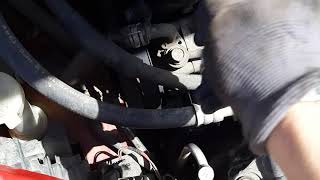
For an experienced DIYer, it's a manageable job. It requires loosening several bolts to pivot the alternator and power steering pump to release tension. Access to the lower alternator bolt can be tight. The key is understanding how the manual tensioning system works. 🎬 Watch: Step-by-step alternator and belt installation guide If you are not comfortable with this, a professional mechanic can do the job in about an hour or two.
Helpful Videos
Technical Specifications
OEM Part Numbers: FS12-18-381A FS12-15-909A
System uses two multi-rib V-belts with manual tensioning. One belt for Alternator/Water Pump, one for Power Steering/Air Conditioning.
We Have This Part in Stock

The information in this article is provided for general reference and educational purposes only. Vehicle specifications, procedures, and part compatibility can vary by production date, trim level, and region. Always consult your vehicle's factory service manual and verify part numbers before purchasing or performing repairs. Safety-critical components such as airbags, seat belts, and braking systems should be installed by a qualified professional.
- Mazda Protege: