

Mazda Protege Radiator Coolant Hose Guide (1999-2003)
Everything a Protege owner needs to know about replacing failing radiator hoses to prevent overheating.
- Hose failure on a 1999-2003 Protege is common due to age; inspect for leaks, cracks, and soft or hard spots.
- Always replace radiator hoses in pairs (upper and lower) and use new clamps for a reliable repair.
- Aftermarket brands like Gates and Dayco are reliable; focus on getting the correct part number for your engine (1.6L, 1.8L, or 2.0L) to ensure proper fit.
- A leak at the top of the radiator could be the hose, the clamp, or a crack in the radiator itself.
Is Your Protege's Radiator Hose Failing?
Radiator hoses are not permanent parts. After years of exposure to heat, pressure, and vibration, the rubber breaks down. For the 1999-2003 Mazda Protege, these hoses are now over two decades old, and failure is common. It's important to inspect them regularly.
Squeeze the hoses when the engine is cool. If they feel rock-hard, brittle, or mushy and spongy, they are due for replacement. Look for visible cracks, especially at bends, or any swelling or bulging. A bulge indicates the internal structure of the hose has failed and a burst is imminent.
Coolant Leaks
The most obvious sign of a problem is a coolant leak. You might see puddles of green or yellow fluid under your car or notice a sweet smell after driving. Sometimes the leak is a slow drip from the connection point at the radiator or engine. Look for white or colored crusty deposits around the hose clamps, which is dried coolant residue.
Common Issues for the 1999-2003 Protege
No specific recalls or technical service bulletins (TSBs) have been issued by Mazda or the NHTSA for the radiator hoses on this vehicle. However, owners frequently report coolant leaks in the upper radiator area. This can be caused by a worn-out hose clamp, a degraded hose end, or a crack in the plastic end tank of the radiator itself, which is also a common failure point on older vehicles. If you replace a hose and the leak persists, the radiator is the next likely culprit.
Choosing a New Aftermarket Hose
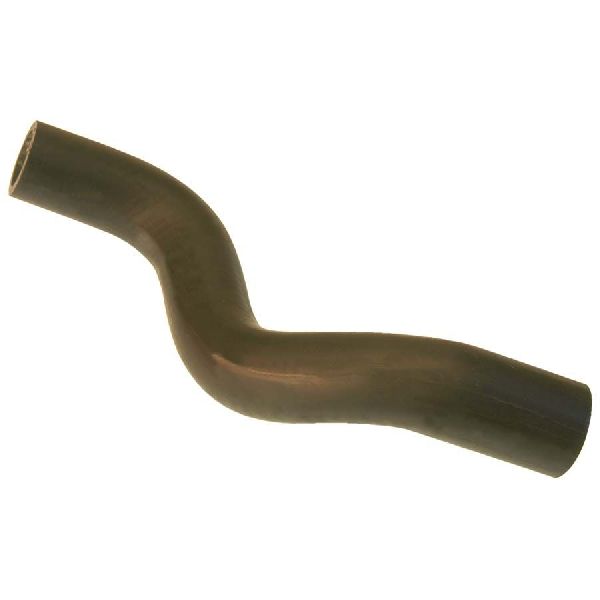
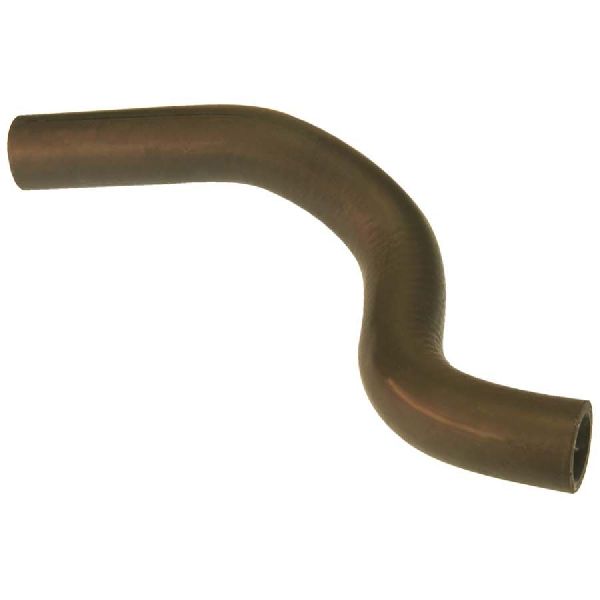
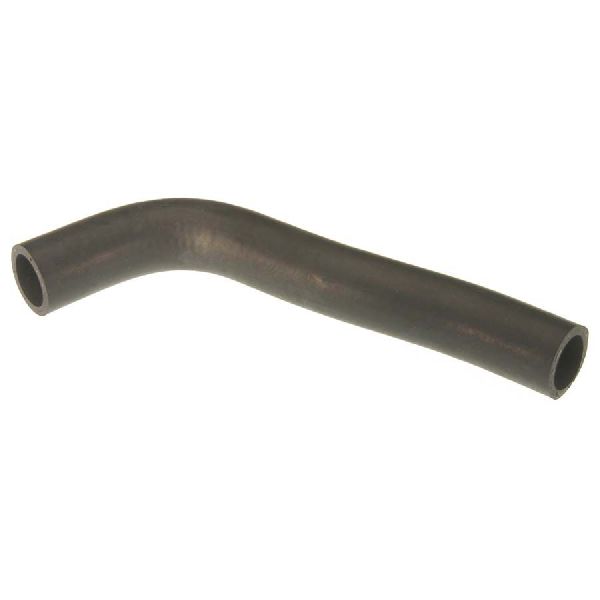
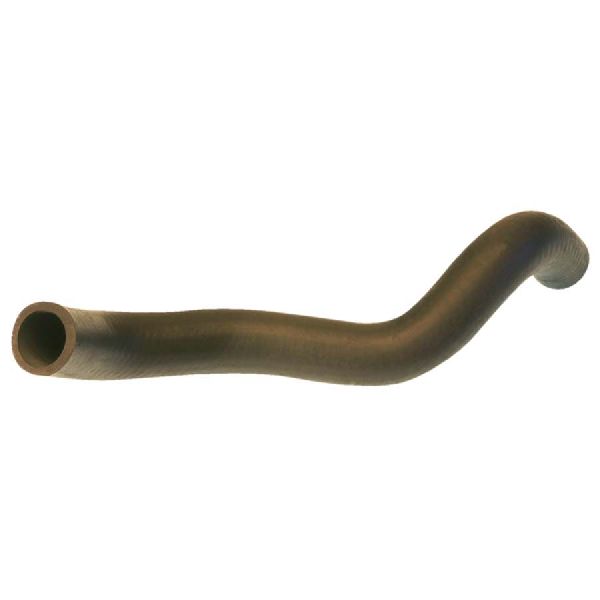
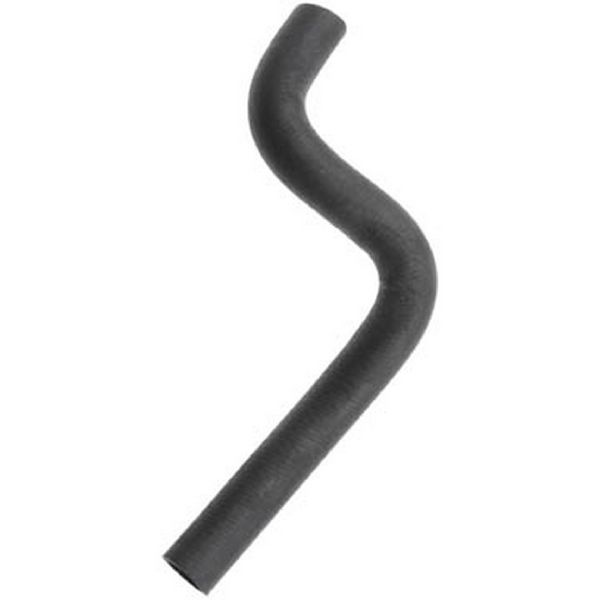
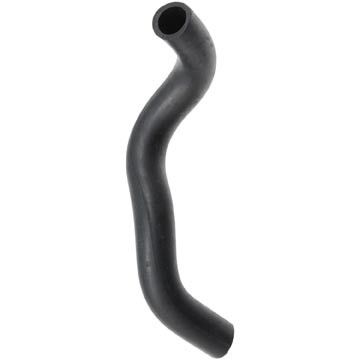
For a vehicle of this age, an aftermarket radiator hose is a practical and cost-effective choice. The original Mazda hoses were high quality, but well-known aftermarket brands like Gates, Dayco, and Continental offer reliable replacements made from modern materials like EPDM rubber that resist heat and chemical degradation.
There is no single "best" brand, as quality is generally comparable. The most important factor is correct fitment. Forum discussions among mechanics and DIYers show that while both Gates and Dayco are trusted, some have experienced better fit with Gates, while others prefer Dayco. The key is to ensure you order the correct part for your Protege's specific engine (1.6L, 1.8L, or 2.0L), as the hoses are shaped differently for each.
Pro Tip: Replace in Pairs
If one radiator hose has failed, the other is likely near the end of its life too. It is highly recommended to replace both the upper and lower radiator hoses at the same time. While you're at it, replacing the spring clamps is also a good idea. New worm-gear clamps are acceptable, but many professionals prefer new spring clamps as they provide consistent tension as the hose material expands and contracts.
Estimated Cost to Replace Radiator Hoses
| Part | Estimated Cost |
|---|---|
| New Aftermarket Hose (Each) | $15 - $41 |
| New OEM Hose (Each) | $18 - $55 |
| Shop Labor | $100 - $200 |
Frequently Asked Questions (FAQ)
Can I replace just the one leaky hose?
You can, but it's not recommended. The hoses are the same age and have been exposed to the same conditions. If the upper hose has failed, the lower hose is likely not far behind. Replacing them in pairs saves you from having to do the job twice.
Do I need to replace the hose clamps?
Yes, it is best practice to replace the clamps when you replace the hoses. The original spring clamps can lose their tension over time. New clamps ensure a tight, leak-free seal on your new hoses.
My new aftermarket hose doesn't seem to fit perfectly. What should I do?
Fitment can sometimes be an issue with aftermarket parts. One owner noted a Gates hose was not cut perfectly straight. If the hose is just slightly too long, it can sometimes be trimmed to fit. However, if the bends are incorrect and cause the hose to kink or rub against other components, you should return it and try a different brand. A kinked hose will restrict coolant flow and cause overheating.
Is it hard to replace the radiator hoses on a Protege myself?
For someone with basic mechanical skills, this is a very feasible DIY job. The upper hose is especially easy to access after removing the air intake snorkel. The lower hose can be more difficult to reach. The main steps involve draining the coolant, removing the old clamps and hoses, installing the new parts, and then refilling and bleeding the air from the cooling system.
Technical Specifications
OEM Part Numbers: ZL01-15-186A (1.6L Upper) FP47-15-186C (1.8L/2.0L Upper) FP47-15-185C (Lower)
Molded EPDM rubber construction designed to resist heat, ozone, and chemical coolant degradation. Hoses are pre-shaped to fit specific engine applications (1.6L, 1.8L, 2.0L).
We Have This Part in Stock

The information in this article is provided for general reference and educational purposes only. Vehicle specifications, procedures, and part compatibility can vary by production date, trim level, and region. Always consult your vehicle's factory service manual and verify part numbers before purchasing or performing repairs. Safety-critical components such as airbags, seat belts, and braking systems should be installed by a qualified professional.
- Mazda Protege: