

Choosing the Right Disc Brake Pads for Your 1999-2003 Nissan Maxima
Restore your Maxima's stopping power and get rid of brake noise by selecting the perfect aftermarket pads for your driving style.
- For most 1999-2003 Maxima owners, quality ceramic pads from brands like Akebono, Bosch, or Wagner offer the best mix of quiet operation, low dust, and reliable stopping power for daily driving.
- Performance pads from Hawk or PowerStop are a great upgrade for spirited driving but expect more dust and potentially more noise.
- Always service the caliper slide pins during a brake job to prevent common issues with uneven pad wear on this vehicle.
- Replacing rotors at the same time as pads is strongly recommended to ensure optimal performance and safety.
Symptoms of Worn Brake Pads
Your Maxima will give you clear signs when the brake pads are nearing the end of their life. The most common symptom is a high-pitched squealing noise when you apply the brakes. 🎬 Watch: How to diagnose brake noise and replace front pads. This sound comes from a small metal tab called a wear indicator that contacts the rotor when the pad material is low. If you ignore the squeal, it will eventually turn into a harsh grinding sound, which means the backing plate is scraping against the rotor, causing serious damage. Other signs include a pulsating brake pedal, longer stopping distances, or the car pulling to one side when braking.
Grinding is a Critical Warning
If you hear a grinding noise, it means you've worn completely through the pad material. This is a serious safety issue that dramatically increases your stopping distance and will damage your brake rotors, leading to a more expensive repair. Address this immediately.
Choosing the Right Aftermarket Brake Pads
For the 1999-2003 Maxima, the original equipment (OEM) pads provide a good balance of performance and quiet operation for daily driving. However, the aftermarket offers a wide variety of options that can meet or exceed OEM quality, often at a better price. The main choice you'll make is the friction material: ceramic or semi-metallic.
- Ceramic Pads: These are the most popular choice for daily-driven Maximas. They are known for being extremely quiet, producing very little brake dust, and being gentle on brake rotors. Brands like Akebono and Wagner offer highly-regarded ceramic pads that provide stopping power similar to or better than OEM.
- Semi-Metallic Pads: These pads contain metal fibers that help dissipate heat and provide a stronger initial "bite" than ceramics. They are a good choice for more aggressive drivers or those who prefer a firmer pedal feel. The trade-off is that they typically create more noise and dust than ceramic pads.
Brand Recommendations for Your Maxima
With so many brands available, it can be tough to choose. Here’s a breakdown based on owner feedback and reputation for the 5th generation Maxima:
Tier 1: OEM-Equivalent & Daily Driver Favorites
These brands are trusted by Maxima owners for providing a quiet, low-dust, and reliable ride, similar to the factory pads.
- Akebono: Often cited as an OEM supplier for Nissan, Akebono's Pro-ACT ceramic pads are a top choice for a factory-like feel, quiet operation, and low dust.
- Bosch: The Bosch QuietCast line is another excellent ceramic option, known for its quality, quiet performance, and good value.
- Wagner: Wagner's ThermoQuiet and OEX lines are popular for their noise-reducing technology and consistent performance.
- Raybestos & Centric: These brands offer solid, dependable daily-driver pads that provide a good balance of performance and price.
Tier 2: Performance & Enthusiast Upgrade
If you engage in spirited driving, these brands offer higher thermal resistance and a stronger bite, but may produce more dust and noise.
- Hawk Performance: The HPS (High Performance Street) pads are a popular upgrade for Maxima owners looking for more stopping power without moving to a full race pad. They do tend to create more dust than OEM.
- EBC Brakes: EBC offers a range of pads from daily driver to track-focused, allowing you to choose a compound that fits your needs.
- PowerStop: Known for their complete brake kits, PowerStop's Z23 and Z26 pads are a popular upgrade for those seeking better performance than stock. The Z26 offers a more aggressive bite than the Z23.
A Common Problem: Seized Caliper Pins
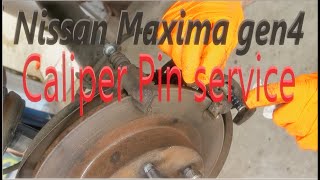
A frequent issue on the 1999-2003 Maxima is seized or sticky caliper slide pins. These pins allow the caliper to move freely. If they are not cleaned and lubricated during a brake job, they can cause the pads to wear unevenly and rapidly. Always ensure the slide pins are serviced when replacing your pads.
🎬 See this walkthrough on how to service your caliper pins.Brake Pad Replacement Cost
The cost for a new set of aftermarket brake pads for your Maxima can vary significantly based on the brand and material.
| Category | Price Range (Pads Only) |
|---|---|
| Economy Aftermarket | $15 - $40 |
| Daily Driver / OEM-Quality Aftermarket | $40 - $90 |
| Performance Aftermarket | $90 - $225+ |
| Shop Labor (Pads Only) | $100 - $180 |
Frequently Asked Questions
Do I need to replace my rotors at the same time as my pads?
It is highly recommended. While you can sometimes resurface rotors if they are within thickness specifications, installing new pads on old or warped rotors can cause noise, vibration, and reduced pad life. Most mechanics advise replacing pads and rotors together for the best performance and safety.
What's the difference between front and rear brake pads?
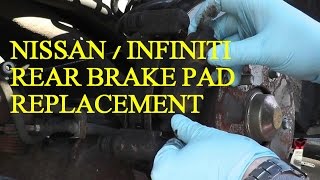
Front and rear brake pads are not interchangeable. The front brakes on your Maxima do most of the braking work and are typically larger than the rear pads. The rear calipers also have a different mechanism for the parking brake, which requires a special tool to retract the piston during replacement.
🎬 Watch: How to replace rear pads using basic hand tools.What is a TSB and are there any for my Maxima's brakes?
A Technical Service Bulletin (TSB) is a document issued by the manufacturer to help technicians diagnose and repair known issues. For the 1999-2003 Maxima, Nissan issued TSBs related to general brake operation diagnostics and procedures for resurfacing brake rotors (NTB00033E, NTB04094A). There are no widespread recalls specifically for the brake pads on this generation, though later models had recalls for other brake system components.
What does "break-in" or "bedding-in" new pads mean?
Bedding-in is the process of transferring an even layer of friction material from the new pads onto the rotors. This ensures smooth, quiet, and powerful braking. The procedure typically involves a series of controlled stops from moderate speeds without coming to a complete stop. Most performance pad manufacturers (like PowerStop and Hawk) provide specific instructions for this process.
Helpful Videos

Technical Specifications
OEM Part Numbers: D1060-9DL0A
The 1999-2003 Nissan Maxima uses a single-piston caliper for both front and rear disc brakes. The rear caliper piston requires a special tool to be rotated back into its bore due to the integrated parking brake mechanism. Front pistons can be compressed with a standard C-clamp or caliper tool.
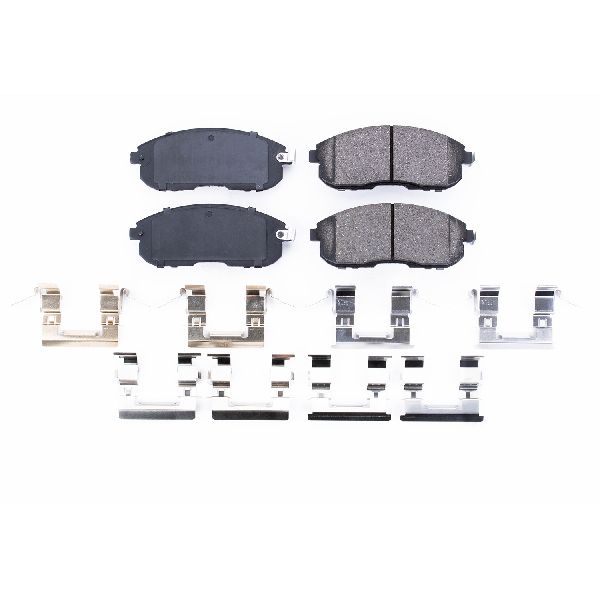
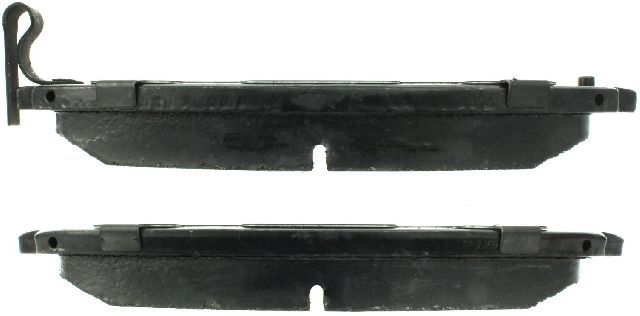
We Have This Part in Stock

The information in this article is provided for general reference and educational purposes only. Vehicle specifications, procedures, and part compatibility can vary by production date, trim level, and region. Always consult your vehicle's factory service manual and verify part numbers before purchasing or performing repairs. Safety-critical components such as airbags, seat belts, and braking systems should be installed by a qualified professional.
- Nissan Maxima: