

Ignition Knock Sensor for the 1999-2003 Nissan Maxima
Understanding how to diagnose and choose the right knock sensor to restore your Maxima's performance and fuel economy.
- The knock sensor is in a difficult-to-reach location under the intake manifold, making replacement labor-intensive and costly.
- Due to the high labor cost, it is strongly recommended to use a high-quality OEM or premium aftermarket brand like Hitachi or NGK/NTK.
- Always replace the knock sensor sub-harness at the same time, as it is prone to heat damage and failure.
- The most common sign of failure is a Check Engine Light with code P0325, accompanied by poor acceleration and reduced fuel economy.
Symptoms of a Failing Knock Sensor in a 1999-2003 Maxima
When the knock sensor on your Maxima fails, the engine's computer (ECM) can no longer detect detonation. To be safe, it switches to a conservative mode, which can cause several noticeable problems. The most common sign is the Check Engine Light illuminating on your dashboard with diagnostic trouble code (DTC) P0325.
You may also experience:
- Reduced Engine Power: Your car might feel sluggish, especially when accelerating.
- Poor Fuel Economy: The engine runs less efficiently, causing you to use more gas.
- Hesitation or Jerking: The car may stumble or jerk during acceleration.
- Audible Pinging: In some cases, you might hear a metallic pinging or knocking sound from the engine, especially under load.
Why You Shouldn't Ignore a Bad Knock Sensor
While you can drive with a bad knock sensor, it's not recommended. The sensor is a key part of your engine's protection system. Ignoring a P0325 code means the ECM can't detect real engine knock, which could lead to severe and expensive engine damage over time.
Choosing the Right Aftermarket Knock Sensor
The knock sensor on the 1999-2003 Maxima is located in the valley between the engine's cylinder banks, underneath the intake manifold. This makes replacement a labor-intensive job that can take several hours. Because of the high labor cost, it is critical to choose a high-quality, reliable replacement part to avoid doing the job twice.
| Tier | Brands | Notes |
|---|---|---|
| OEM / Premium Aftermarket | Hitachi, NGK (NTK) | Hitachi is a known original equipment manufacturer for Nissan, so their parts are considered OEM-quality. NGK (sold under the NTK brand for sensors) is also a highly regarded company with a reputation for quality comparable to OEM. Given the difficult installation, these brands are highly recommended. |
| Reputable Aftermarket | Delphi, Standard Motor Products (SMP) | Delphi is a major OE supplier and their sensors are generally tested to OE standards. Standard Motor Products is a long-standing aftermarket brand, but quality can sometimes vary as they may re-box parts from other manufacturers. Owner experiences can be mixed. |
| Economy Brands | Global Parts, MTC, True Tech, etc. | While very affordable, the reliability of economy brands can be inconsistent. Using a lower-cost part is a significant risk for a job with such high labor costs. A premature failure would mean paying for the expensive repair all over again. |
A Note on the Sub-Harness
The small wiring harness that connects to the sensor is also located in the high-heat engine valley. It often becomes brittle and fails. It is strongly recommended to replace the knock sensor sub-harness at the same time as the sensor to ensure a lasting repair.
Frequently Asked Questions
Where is the knock sensor located on a 1999-2003 Maxima?
The knock sensor is bolted to the engine block, in the valley between the two cylinder banks, underneath the lower intake manifold. Accessing it requires removing the upper and sometimes lower intake manifolds, making it a difficult part to reach.
What does code P0325 mean?
P0325 is a generic diagnostic trouble code (DTC) that stands for "Knock Sensor 1 Circuit Malfunction (Bank 1)". It means the engine's computer has detected a problem with the knock sensor itself or the wiring circuit connected to it.
Is an OEM sensor better for my Maxima?
For this specific repair, using an OEM part or a premium aftermarket equivalent from a brand like Hitachi or NGK/NTK is highly recommended. The original sensor on these VQ30DE engines is known to fail over time due to heat exposure. Because the labor to replace it is so extensive and costly, using a top-tier part minimizes the risk of having to do the job again soon.
Can I replace the knock sensor myself?
This is a challenging job for a DIY mechanic. It requires removing the intake air components and the upper intake manifold to access the sensor. While possible with the right tools and patience, it is considered a difficult repair. Some experienced owners have managed to do it in 30 minutes, while for others it can take hours. If you are not comfortable with extensive engine work, it is best left to a professional mechanic.
Technical Specifications
OEM Part Numbers: 22060-2Y000
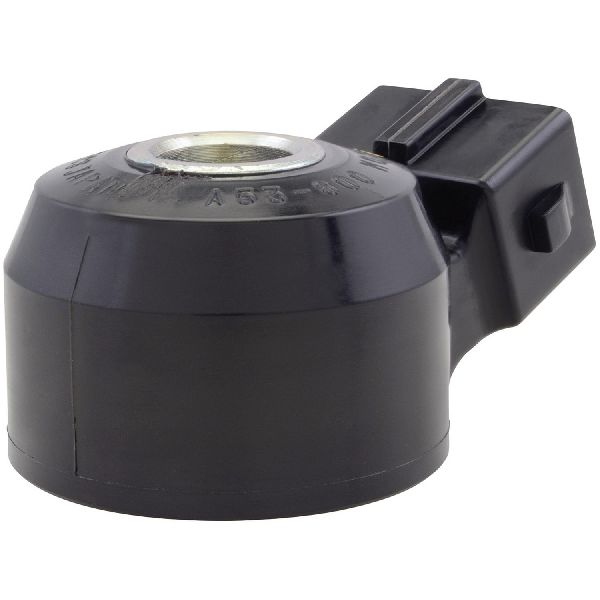
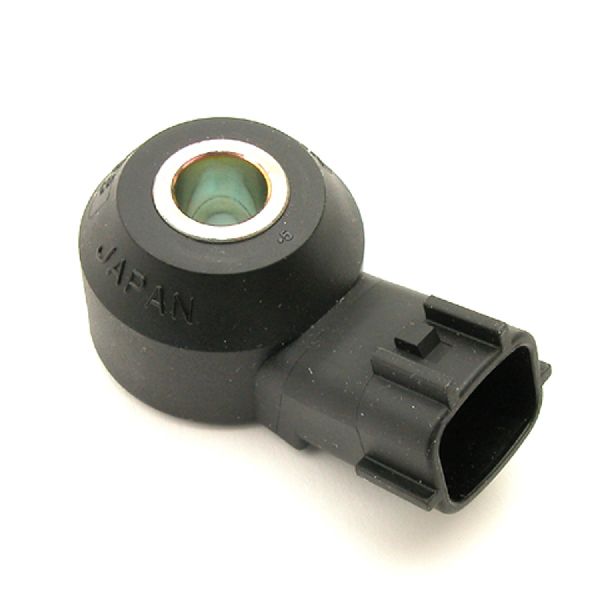
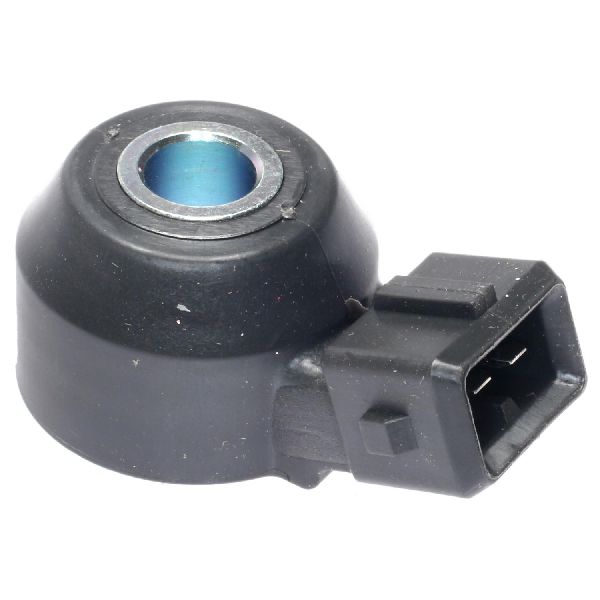
Single bolt mount, 2-pin female connector. Located in the engine valley.
We Have This Part in Stock


The information in this article is provided for general reference and educational purposes only. Vehicle specifications, procedures, and part compatibility can vary by production date, trim level, and region. Always consult your vehicle's factory service manual and verify part numbers before purchasing or performing repairs. Safety-critical components such as airbags, seat belts, and braking systems should be installed by a qualified professional.
- Nissan Maxima: