

Spark Plug Replacement Guide for the 1999-2003 Nissan Quest
Keep your Quest's 3.3L V6 running smoothly with the right spark plugs and avoid common misfire issues.
- Stick with OEM brands like NGK or Denso for best performance and reliability on the Quest's 3.3L engine.
- Be prepared for high labor costs if a shop does the work, due to the difficult access to the three rear spark plugs.
- If doing it yourself, research the methods for reaching the rear plugs to avoid removing the entire intake manifold.
- Always replace the spark plug wires at the same time as the plugs to avoid future misfires and redundant labor.
Signs of Failing Spark Plugs in Your Quest
When your spark plugs start to wear out, your van will give you several warning signs. Ignoring them can lead to bigger problems, so it's best to address them early. A common sign is a noticeable drop in power and sluggish acceleration. You might also experience a rough idle, where the engine shakes or vibrates more than usual when you're stopped. Another key symptom is a decrease in fuel economy. If you find yourself filling up the tank more often, worn plugs could be the culprit. In some cases, your vehicle may be hard to start or the "Check Engine" light will come on, often with codes indicating an engine misfire (like P0300, P0301-P0306).
The Challenge of the Rear Spark Plugs
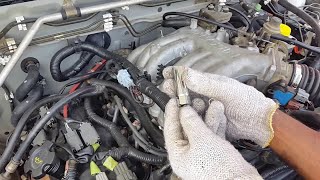
Replacing the spark plugs on the 3.3L V6 engine in the Quest has a well-known difficulty: the three spark plugs at the rear of the engine (cylinders 1, 3, and 5) are located under the intake plenum, making them very hard to reach. While the front three are straightforward, the rear three require either removing the upper intake manifold or using a specific combination of long extensions and swivels to access them from underneath the vehicle. This is a major factor in the high labor cost for this job.
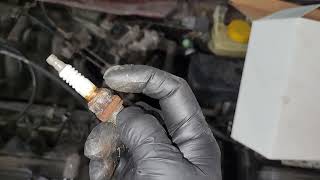
🎬 Watch this full walkthrough on replacing Quest V6 spark plugs.Choosing the Right Aftermarket Spark Plugs
When shopping for new spark plugs, you have several options. For the Nissan Quest, sticking with the original equipment (OEM) brands is a highly recommended and reliable choice.
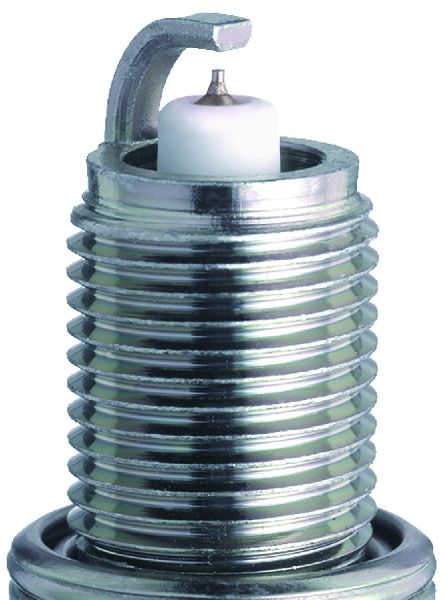
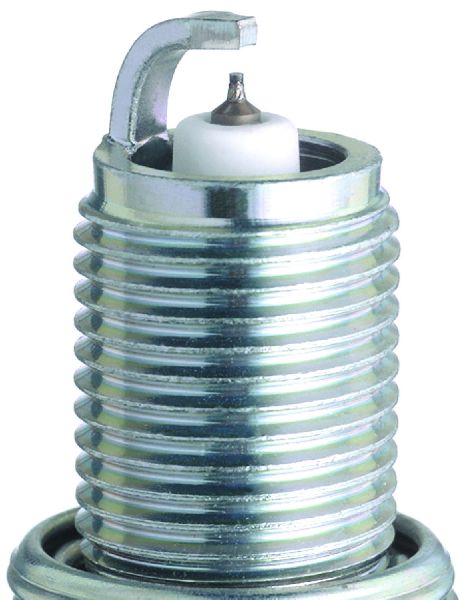
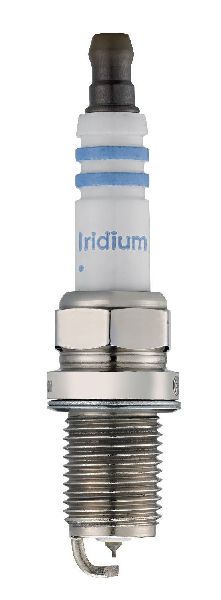
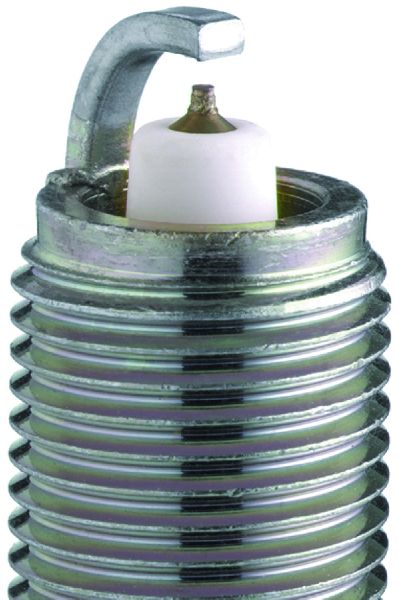
- OEM-Equivalent (Best Choice): NGK and Denso are the original equipment suppliers for Nissan. Choosing NGK or Denso plugs, whether they are standard copper, platinum, or iridium, will provide performance and longevity that is equal to or better than the factory parts. Forum users and mechanics strongly advise using these brands, as Nissan engines can be sensitive to others. The NGK Laser Platinum (PFR5G-11) and Iridium IX (BKR5EIX-11) are excellent long-life options.
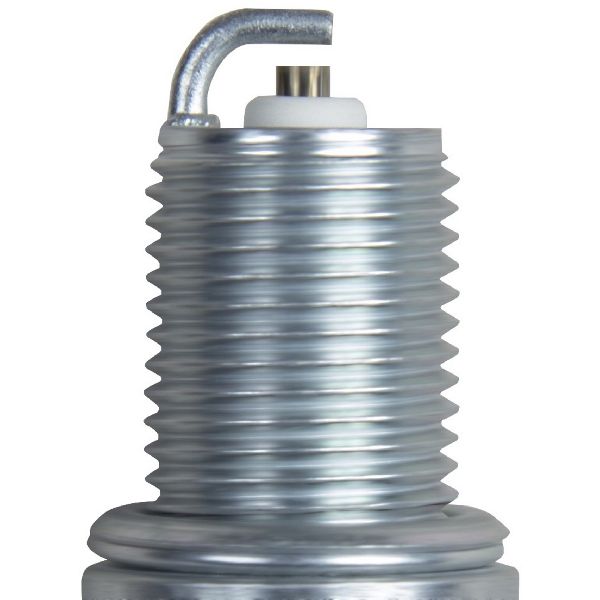
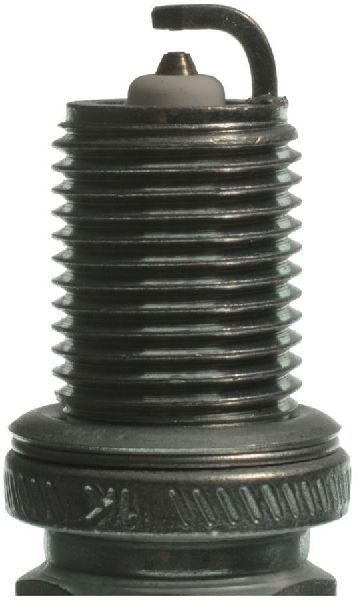
- Quality Aftermarket (Good Choice): Brands like Bosch and Champion offer quality spark plugs that will work in your Quest. Bosch Double Iridium or Double Platinum plugs are durable choices. However, some Nissan enthusiasts report that their engines run best on the Japanese OEM brands.
- Standard/Budget (Acceptable Choice): Autolite offers copper and platinum plugs that are a cost-effective option for regular maintenance. While functional, they may not have the same service life as iridium or premium platinum plugs. Conventional copper plugs typically need to be replaced more often, around every 30,000 miles.
Always Check the Gap
While many modern spark plugs come pre-gapped, it is always a good practice to verify the gap before installation. An incorrect gap can lead to misfires and poor performance. Use a spark plug gapper to ensure the spacing is correct according to your vehicle's specifications.
Frequently Asked Questions (FAQ)
How often should I replace the spark plugs on my 1999-2003 Quest?
The replacement interval depends on the type of spark plug. Conventional copper plugs should be changed around every 30,000 miles. Platinum and Iridium plugs have a much longer service life, often lasting up to 100,000 miles. Check your owner's manual for Nissan's specific recommendation.
Is it okay to use a different brand than the original NGK or Denso plugs?
While brands like Bosch, Champion, and Autolite make compatible plugs, it is widely recommended to stick with NGK or Denso for Nissan engines. Many owners and technicians have found that these engines perform most reliably with the OEM-brand plugs.
Why is the repair cost for spark plugs so high for this vehicle?
The high cost is almost entirely due to the labor involved in replacing the three rear spark plugs. They are located under the intake manifold against the firewall, making access extremely difficult and time-consuming for mechanics.
What are the P0300, P0301, P0302, etc. codes related to?
These are diagnostic trouble codes (DTCs) for engine misfires. A P0300 code means a random or multiple cylinder misfire is detected. Codes P0301 through P0306 indicate a misfire in a specific cylinder (e.g., P0306 is for cylinder #6). Worn spark plugs are a very common cause of these codes.
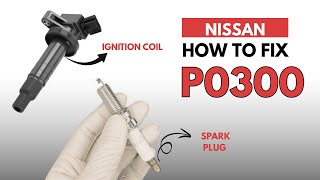
🎬 See how to diagnose and fix P0300 engine misfire codes.Should I replace the spark plug wires at the same time?
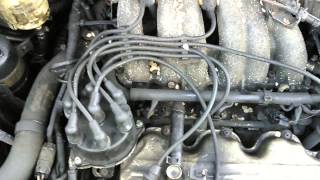
Yes, it is highly recommended to replace the spark plug wires when you replace the plugs, especially on an older vehicle. The wires can degrade over time, causing weak spark and misfires. Since accessing the rear plugs is so difficult, replacing the wires at the same time saves you from having to do the labor all over again if a wire fails soon after.
🎬 Watch a helpful guide on replacing both plugs and wires.Helpful Videos
Technical Specifications
OEM Part Numbers: 22401-7B005 22401-5M015 22401-7B006 22401-EW61C
Engine: 3.3L V6 (VG33E). Spark Plug Socket Size: 5/8 inch. Number of Plugs: 6.
We Have This Part in Stock

The information in this article is provided for general reference and educational purposes only. Vehicle specifications, procedures, and part compatibility can vary by production date, trim level, and region. Always consult your vehicle's factory service manual and verify part numbers before purchasing or performing repairs. Safety-critical components such as airbags, seat belts, and braking systems should be installed by a qualified professional.
- Nissan Quest: