

A Practical Guide to Oxygen Sensors for the 1999-2003 Subaru Legacy
Understand the difference between front and rear sensors and choose the right aftermarket brand for your Legacy.
- Your Legacy has two different sensors: a front Air/Fuel sensor and a rear Oxygen sensor; they are not the same.
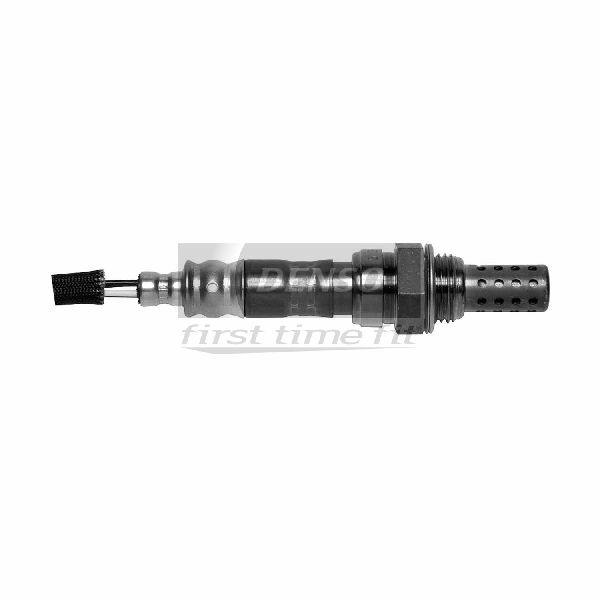
- For maximum reliability, choose a direct-fit sensor from Denso or NGK/NTK, as Denso was the original factory part.
- Avoid universal sensors that require wire splicing, especially for the critical front sensor.
- Ignoring a bad O2 sensor can lead to poor gas mileage and expensive damage to your catalytic converter.
Is Your Subaru Legacy Oxygen Sensor Failing?
A bad oxygen sensor can cause problems that you'll definitely notice. The most common sign is the Check Engine Light turning on. You may also experience a sudden drop in fuel economy, a rough idle, engine hesitation when you accelerate, or even stalling. In some cases, you might smell a strong gasoline or "rotten egg" odor from the exhaust, which means the engine is running too rich and can lead to a failed emissions test.
🎬 Watch: 7 common symptoms of a bad oxygen sensorChoosing the Right Aftermarket Oxygen Sensor
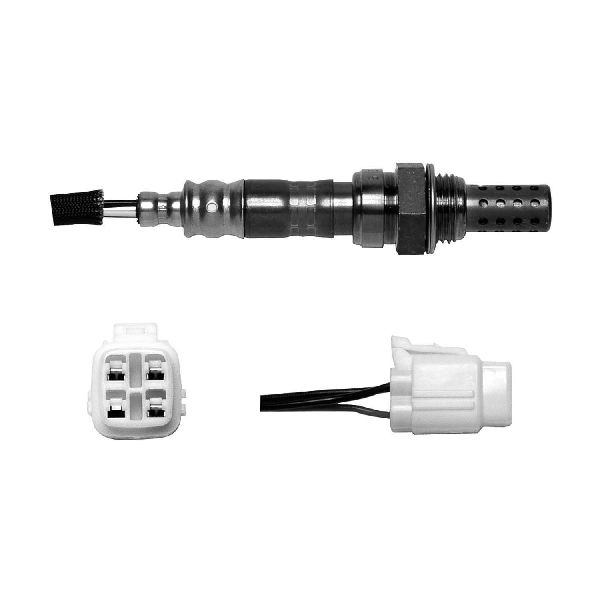
When replacing an oxygen sensor on your Legacy, especially the front one, the brand you choose matters. These cars can be sensitive to the wrong type of sensor. Always choose a "direct-fit" sensor with the correct plug. Avoid "universal" sensors that require you to cut and splice wires, as they often lead to problems.
Brand Quality Tiers for Your Legacy
- Tier 1: OEM-Equivalent (Highly Recommended)
Brands: Denso, NGK (NTK)
Subaru originally used Denso sensors from the factory. For this reason, a direct-fit Denso or NGK/NTK sensor is the safest and most reliable choice. Owners and mechanics report that these brands work correctly right out of the box, especially for the critical front Air/Fuel sensor. 🎬 See this walkthrough for replacing an upstream Subaru sensor
- Tier 2: Reputable Aftermarket (Use with Caution)
Brands: Bosch, Delphi
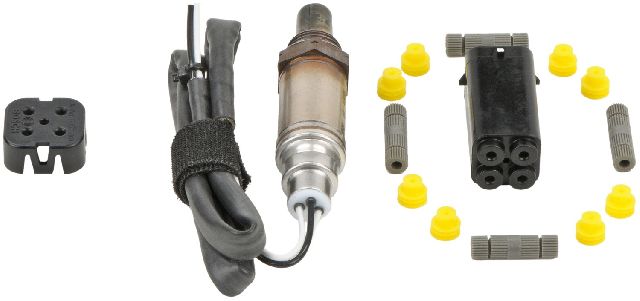
Bosch is a well-known brand, but owner experiences are very mixed on Subarus. Some have success, but many report that Bosch sensors can fail early or not communicate correctly with the Subaru's computer, causing the check engine light to return. If you use one, consider it only for the less-critical rear sensor. - Tier 3: Economy Brands (Budget Option)
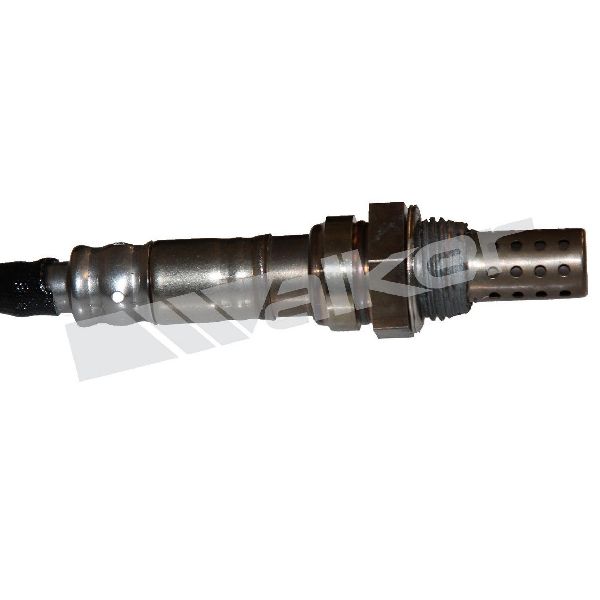
Brands: DriveWire, Spectra, Walker Products
These brands offer a lower price point. However, there is very little positive feedback for them in Subaru communities. They are a budget-friendly option but carry a higher risk of incorrect readings, poor performance, and a much shorter lifespan. It is strongly advised to avoid these for the front A/F sensor.
Pro Tip: Front vs. Rear Sensors
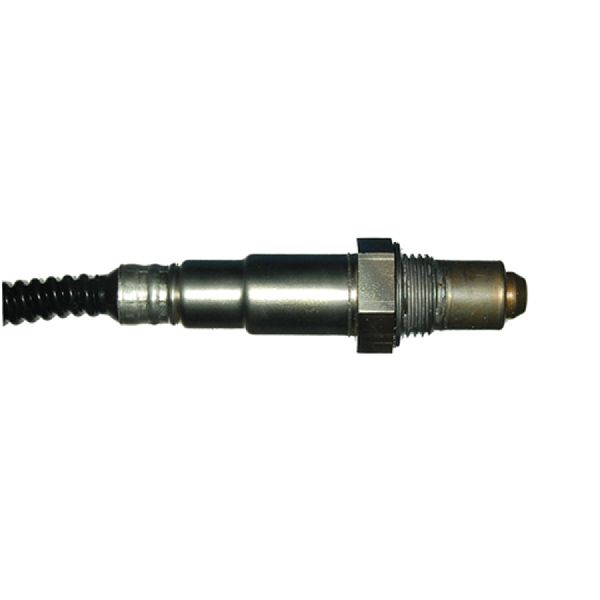
The front (upstream) sensor is a wideband Air/Fuel sensor that directly controls your engine's performance. The rear (downstream) sensor is a simpler narrowband sensor that only monitors the catalytic converter. If you're on a tight budget, spend the extra money on a high-quality Denso or NGK front sensor and save money with a Tier 2 brand for the rear if necessary.
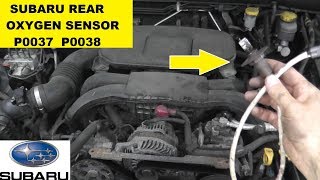
🎬 Watch: How to test and replace the rear sensorKnown Issues, Recalls, and Service Bulletins
Searches of the National Highway Traffic Safety Administration (NHTSA) database show no recalls or technical service bulletins (TSBs) specifically for oxygen sensor failures on the 1999-2003 Subaru Legacy. While recalls exist for this generation for issues like airbags, there are no widespread, documented defects concerning the O2 sensors. The most common issue is simply failure from age and exposure to heat and exhaust gases.
| Item | Estimated Cost |
|---|---|
| New Aftermarket Oxygen Sensor (Part Only) | $25 - $250 |
| New OEM Oxygen Sensor (Part Only) | $120 - $280 |
| Shop Labor Cost | $100 - $250 |
| Total Professional Replacement (Aftermarket Part) | $125 - $500 |
Frequently Asked Questions
How many oxygen sensors does my 1999-2003 Legacy have?
Your Legacy has two sensors: one upstream (front) sensor before the catalytic converter and one downstream (rear) sensor after it.
What's the difference between the front and rear sensor?
The front sensor is an Air/Fuel Ratio sensor that helps the computer control the engine's fuel mixture. The rear sensor is a standard O2 sensor that just checks if the catalytic converter is working. They are not interchangeable.
Can I clean my oxygen sensor?
While some people attempt to clean O2 sensors, it is not a reliable or recommended repair. Contaminants can damage the internal sensing element, and cleaning rarely restores proper function. Replacement is the only guaranteed solution.
What happens if I don't replace a bad oxygen sensor?
Driving with a bad front O2 sensor will cause poor fuel economy and performance. Over time, running a rich fuel mixture can overheat and permanently damage your catalytic converter, which is a much more expensive repair.
Helpful Videos
![Bad O2 Sensor Symptoms Downstream & Upstream [Oxygen Sensor Failure and Causes] How to fix & Replace](https://img.youtube.com/vi/b-xxdBlikSA/mqdefault.jpg)
Technical Specifications
OEM Part Numbers: 22690AA38A 22641AA140 22690AA640 22690AA420 22641AA03C
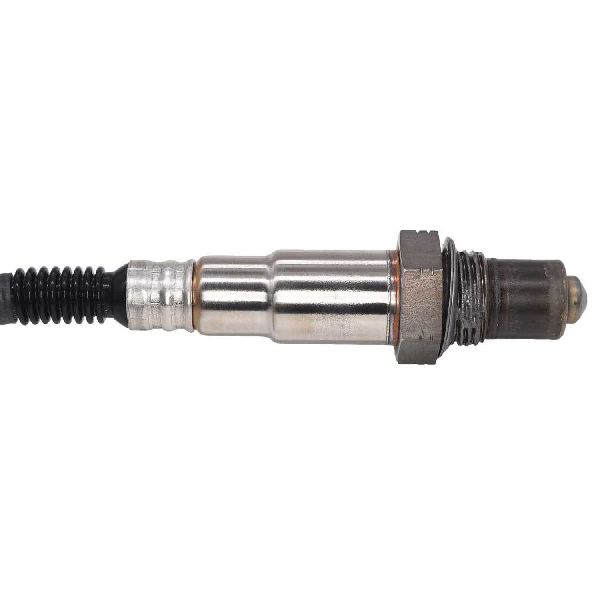
Your 1999-2003 Legacy uses a wideband Air/Fuel Ratio sensor in the front (upstream) position and a standard narrowband Oxygen sensor in the rear (downstream) position. Both typically use a 4-wire connector and have an M18-1.50 thread size.
We Have This Part in Stock

The information in this article is provided for general reference and educational purposes only. Vehicle specifications, procedures, and part compatibility can vary by production date, trim level, and region. Always consult your vehicle's factory service manual and verify part numbers before purchasing or performing repairs. Safety-critical components such as airbags, seat belts, and braking systems should be installed by a qualified professional.
- Subaru Legacy: