

A Guide to the Engine Oil Pan for the 1999-2003 Volkswagen Golf Mk4
Your Golf's low-slung oil pan is prone to damage from road hazards; this guide covers what you need to know before you buy a replacement.
- The 1999-2003 Golf's low, cast-aluminum oil pan is highly susceptible to cracking from road impacts.
- An aftermarket stamped steel pan can be a durability upgrade over the brittle OEM aluminum design.
- When replacing the pan, it is crucial to also inspect and clean the oil pickup tube screen, especially on 1.8T models prone to sludge.
- Properly cleaning the engine block and applying a new, thin bead of RTV sealant is essential for a leak-free repair.
Why Mk4 Golf Oil Pans Fail
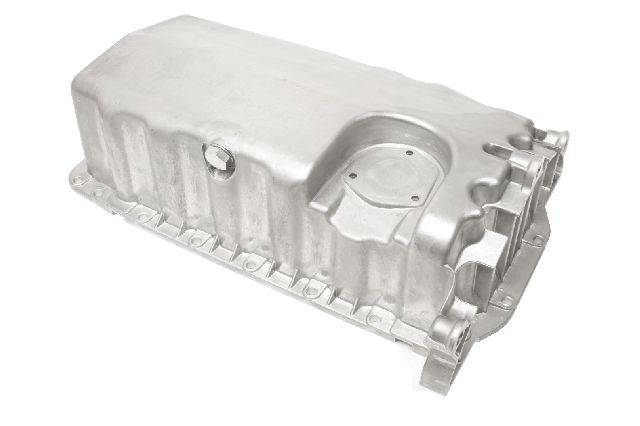
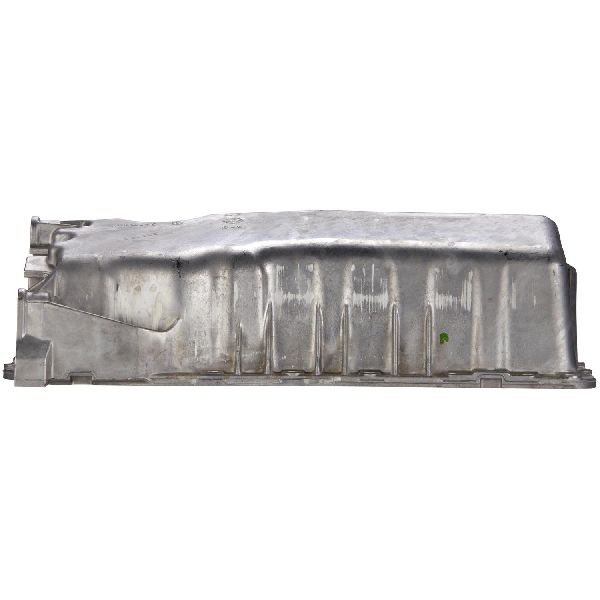
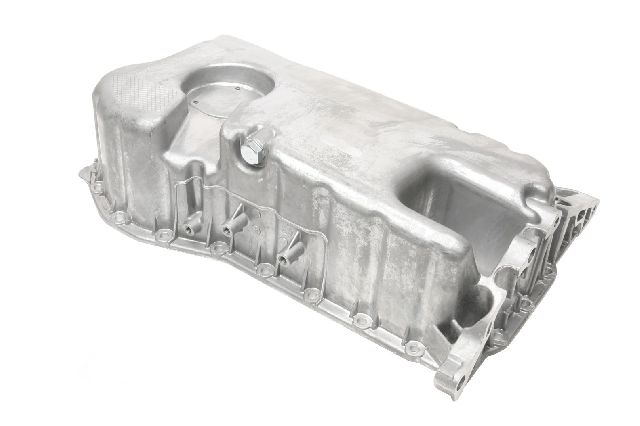
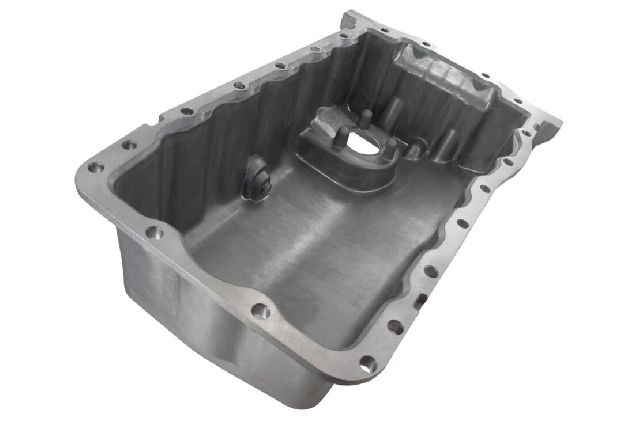
The most common reason for replacing the oil pan on a 1999-2003 Volkswagen Golf isn't because it wears out, but because it gets damaged. The original factory (OEM) oil pan is made of cast aluminum, which is lightweight but can be brittle. Due to the Mk4 Golf's low ride height, the oil pan is often the first point of contact with road hazards, leading to cracks, punctures, and ultimately, oil leaks.
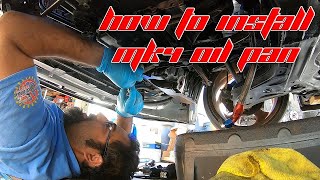
🎬 See this walkthrough on replacing a cracked Mk4 oil pan.Symptoms of a Damaged Oil Pan
- Oil Puddles: The most obvious sign is finding puddles or fresh drips of dark brown or black oil on the ground where you park.
- Low Oil Warning Light: If you lose enough oil, the yellow low oil level light may illuminate on your dashboard.
- Red "STOP" Light: A severe leak can cause a rapid loss of oil pressure, triggering a red oil pressure warning light and a "STOP ENGINE" message. This is a critical warning; pull over and shut off the engine immediately to prevent catastrophic engine damage.
- Visible Damage: You may be able to see a visible crack, dent, or scrape on the bottom of the oil pan.
Known Issue: 1.8T Engine Oil Sludge
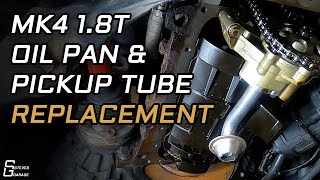
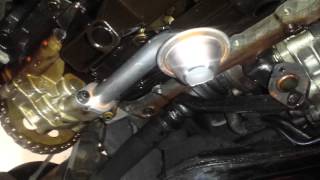
Some 1.8T engines in this generation can develop oil sludge, especially if oil changes have been neglected. This sludge can clog the oil pickup tube screen inside the pan, starving the engine of oil even if the pan is full. If you are replacing your oil pan, it is critical to inspect and clean or replace the oil pickup tube 🎬 Watch: How to replace the 1.8t oil pan and pickup tube. at the same time.
Choosing the Right Aftermarket Part: OEM vs. Aftermarket
For many parts, OEM is the safest bet, but with the Mk4 oil pan, aftermarket parts can offer a genuine upgrade in durability. The key difference is the material.
- Cast Aluminum (Like OEM): Many aftermarket pans are made from cast aluminum, just like the original. These are a direct, cost-effective replacement.
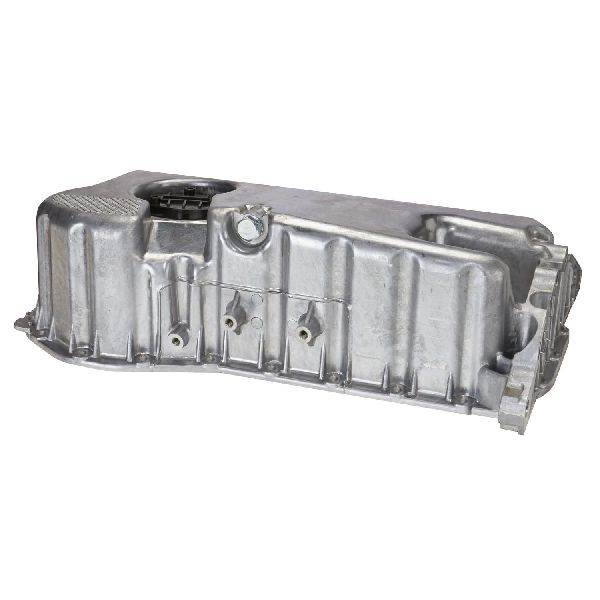
- Stamped Steel: Some aftermarket brands offer a stamped steel oil pan. While heavier, steel pans can often withstand an impact by denting rather than cracking. For many owners, especially those with lowered cars, a steel pan is a worthwhile upgrade for peace of mind.
Aftermarket Brand Tiers
When shopping for a new aftermarket oil pan, you'll find several brands available. They can generally be grouped by quality and reputation:
- Premium Aftermarket (Vaico): Vaico is a well-regarded brand specializing in parts for European vehicles. They often provide high-quality kits and are known for good fitment.
- Trusted Aftermarket (Dorman, Spectra, URO Parts): These are household names in the aftermarket world. Dorman is known for its wide availability and sometimes offers improved designs. Spectra and URO Parts are also solid choices that provide a balance of quality and value.
- Economy Options (ATP, Pioneer Cable, others): These brands offer the most budget-friendly options. While they meet basic requirements, they may not have the same level of finish or long-term corrosion resistance as more expensive brands.
Installation Pro-Tip
The Mk4 Golf does not use a pre-made gasket for the oil pan. It uses a form-in-place gasket, typically an RTV silicone sealant. When replacing the pan, it is absolutely essential to thoroughly clean all old sealant from the engine block's mating surface. Apply a thin, even 2-3mm bead of a high-quality, oil-resistant RTV sealant to the new pan before installation. Using too much sealant can cause it to squeeze into the pan and potentially clog the oil pickup tube.
| Part Type | Part Cost | Shop Labor Cost | Estimated Total Installed Cost |
|---|---|---|---|
| New OEM | $400 - $450 | $200 - $350 | $600 - $800 |
| New Aftermarket | $56 - $165 | $200 - $350 | $256 - $515 |
| Used OEM | $50 - $100 | $200 - $350 | $250 - $450 |
Cost estimates are based on search data and may vary by location and shop.
Frequently Asked Questions
Can I drive with a leaking oil pan?
It is not recommended. A small leak can suddenly become a large one if the crack expands, leading to rapid oil loss and severe engine damage. If you see a leak, you should check your oil level immediately and get the vehicle to a repair shop as soon as possible.
Is replacing the oil pan a DIY job?
For an experienced DIY mechanic, yes. However, it is a messy job that requires safely lifting the vehicle, and it can be time-consuming. There are around 20 small bolts and 2-3 larger bolts to remove, and some can be difficult to access. The most critical steps are cleaning the mating surface and applying the new sealant correctly.
🎬 Watch this guide for a step-by-step oil pan installation.Should I buy a steel or aluminum aftermarket pan?
This depends on your priority. If you want the most durable option that is less likely to crack from an impact, choose a stamped steel pan. If you prefer a lighter-weight part that is a direct replacement for the original, a cast aluminum pan is a perfectly good choice.
What tools are needed to replace the oil pan?
You will need a good socket set (including 10mm and 16mm sockets), extensions, a torque wrench, a scraper for the old sealant (plastic is recommended to avoid scratching the aluminum block), a jack and jack stands, an oil drain pan, and high-quality RTV sealant. A ball-head Allen driver may also be useful for some hard-to-reach bolts.
Do I need to replace the oil level sensor?
Not usually. Most aftermarket pans have a provision for the original oil level sensor. You will simply transfer the sensor from your old pan to the new one. It is a good idea to replace the small gasket for the sensor at the same time. Some very basic aftermarket pans may not have the hole for the sensor, so be sure to buy a pan that matches your vehicle's equipment.
Helpful Videos
Technical Specifications
OEM Part Numbers: 038103601NA 038103603N 06A103603H
Material: Cast Aluminum (OEM) or Stamped Steel (Aftermarket). Gasket Type: Form-In-Place (RTV Sealant). Capacity: Varies by engine (approx. 4.5-5 quarts with filter). Features: Provision for oil level sensor.
We Have This Part in Stock


The information in this article is provided for general reference and educational purposes only. Vehicle specifications, procedures, and part compatibility can vary by production date, trim level, and region. Always consult your vehicle's factory service manual and verify part numbers before purchasing or performing repairs. Safety-critical components such as airbags, seat belts, and braking systems should be installed by a qualified professional.
- Volkswagen Golf: