

A Guide to the Engine Coolant Temperature Sensor for the 1999-2003 Volvo S80
Understand the symptoms of a failing coolant sensor in your S80 and learn how to choose the best new aftermarket replacement.
- A bad ECT sensor commonly causes a Check Engine Light with codes P0115-P0118, poor fuel economy, and potential overheating.
- The sensor is located under the thermostat housing, making replacement of both the sensor and thermostat at the same time a smart, preventative repair.
- Replacement is a DIY-friendly task that can be completed in under an hour with basic tools.
- Quality aftermarket brands offer a reliable and cost-effective alternative to Genuine Volvo parts for this component.
Is Your S80's Coolant Sensor Failing?
A bad Engine Coolant Temperature (ECT) sensor can cause a surprising number of problems in your 1999-2003 Volvo S80. Because the sensor's reading affects so many engine functions, a false signal can lead to poor performance and drivability issues. Ignoring a failing sensor can lead to reduced fuel efficiency and, in some cases, cause the engine to overheat.
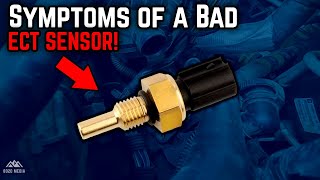
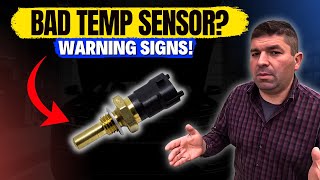
Common Symptoms of a Bad ECT Sensor
- Check Engine Light: This is often the first sign. The ECU will log fault codes like P0115, P0116, P0117, or P0118 when it detects a problem with the sensor's signal.
- Poor Fuel Economy: If the sensor incorrectly tells the ECU the engine is cold, the computer will enrich the fuel mixture, causing the car to burn more gas than necessary.
- Black Smoke from Exhaust: A rich fuel mixture can result in unburned fuel exiting through the exhaust, which appears as black smoke.
- Hard Starting: An incorrect temperature reading can make it difficult to start the engine, especially when it's warm.
- Engine Overheating: A faulty sensor may fail to signal the ECU to turn on the cooling fans when needed, leading to overheating.
- Erratic Temperature Gauge: The gauge on your dashboard may behave unpredictably, showing the engine is hot right after a cold start or not moving at all.
Choosing the Right Aftermarket Sensor
For the 1999-2003 S80, you don't always need to buy a Genuine Volvo part to get a reliable replacement. The aftermarket offers several quality options. When choosing, it's helpful to think in tiers:
- Premium Aftermarket (e.g., Professional Parts Sweden, Standard Ignition): These brands often have a strong reputation in the Volvo community. They are engineered to meet or exceed original equipment (OE) specifications and offer a great balance of quality and value. Many Volvo specialists use and trust these brands for reliable repairs.
- Standard Aftermarket (e.g., Walker Products): Walker is a long-standing company that produces a wide range of engine management components. Their sensors are designed as direct-fit replacements and are 100% tested to ensure they function correctly out of the box. They represent a solid, affordable choice for most owners.
- Economy Brands (e.g., Global Parts): While the most budget-friendly, quality can be inconsistent. Some owners report these sensors failing prematurely. They can be a viable option if the budget is the primary concern, but a premium or standard aftermarket part is recommended for better long-term reliability.
Estimated Replacement Costs
The cost to replace the ECT sensor can vary based on whether you do it yourself or use a professional mechanic. The part itself is relatively inexpensive.
| Part or Service | Estimated Cost |
|---|---|
| New Aftermarket Sensor | $34 - $145 |
| New OEM Sensor | $70 - $170 |
| Shop Labor | $99 - $146 |
| Total Professional Replacement | $133 - $291 |
Frequently Asked Questions
Where is the Engine Coolant Temperature Sensor located on a 1999-2003 S80?
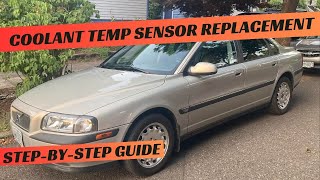
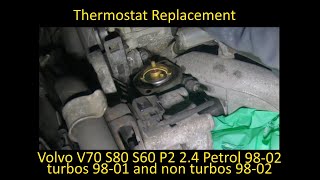
The ECT sensor is located on the engine's cylinder head, directly underneath the thermostat housing 🎬 See exactly where the sensor is located and how to replace it.. To access it, you will need to remove the upper engine cover and the thermostat housing.
Is this a difficult part to replace myself?
For a DIYer with basic tools, this is a manageable job. The main steps involve partially draining the coolant, removing the thermostat housing, unscrewing the old sensor, and installing the new one. The entire process typically takes less than an hour. The most important part is to avoid damaging the thermostat housing bolts.
Are there any recalls for this part?
There are no specific recalls for the Engine Coolant Temperature Sensor on the 1999-2003 Volvo S80. However, there was a recall (NHTSA Campaign 04V451000) for the engine cooling fan module on 1999-2001 models, which could overheat. A faulty ECT sensor could contribute to cooling system problems, but the sensor itself was not the subject of the recall.
Should I replace the thermostat at the same time?
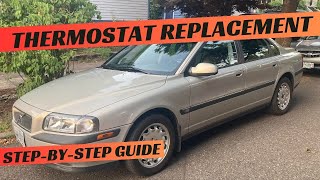
Yes, it is highly recommended. The sensor and thermostat work together, and a bad thermostat can cause similar symptoms. Since you must remove the thermostat housing to get to the sensor, replacing both parts at once is efficient and prevents you from having to do the job twice 🎬 Follow this step-by-step guide to replacing your Volvo's thermostat..
Helpful Videos
Technical Specifications
OEM Part Numbers: 9186486 3545031
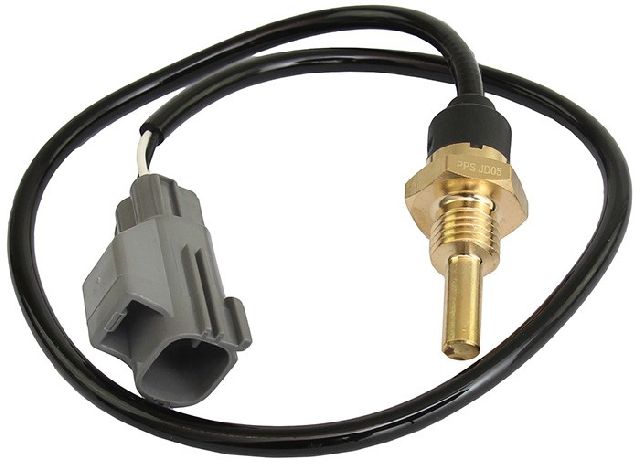
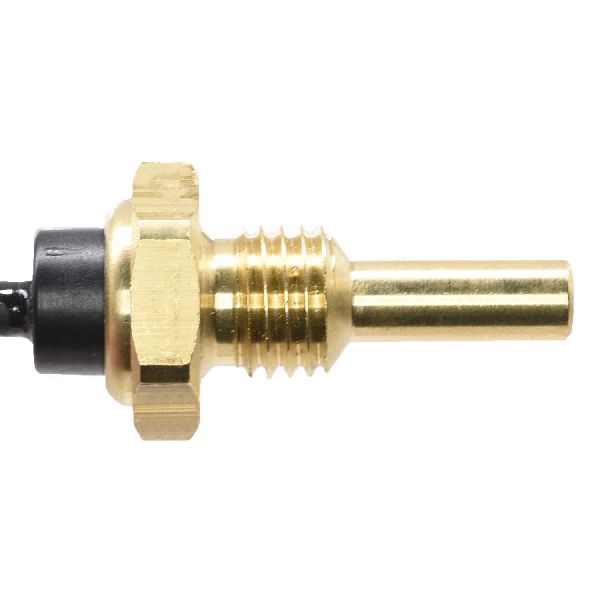
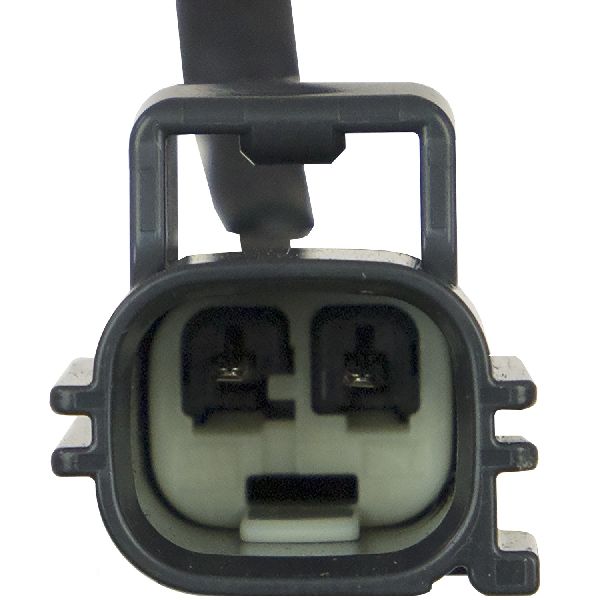
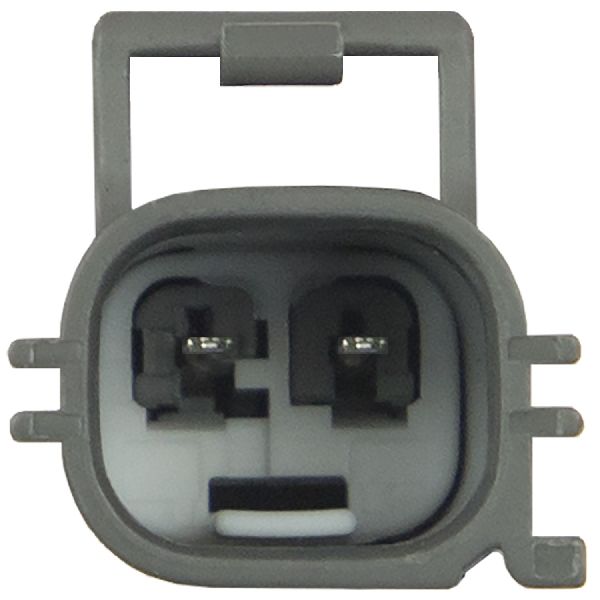
The sensor is a two-wire, negative temperature coefficient (NTC) thermistor. It is installed in the thermostat housing and uses a 19mm hex for removal and installation.
We Have This Part in Stock


The information in this article is provided for general reference and educational purposes only. Vehicle specifications, procedures, and part compatibility can vary by production date, trim level, and region. Always consult your vehicle's factory service manual and verify part numbers before purchasing or performing repairs. Safety-critical components such as airbags, seat belts, and braking systems should be installed by a qualified professional.
- Volvo S80: