

Chevrolet S10 A/C Hose Assembly Replacement Guide (1999-2004)
If your S10's air conditioning is blowing warm, the A/C hoses could be the reason.
- A failing A/C hose is a common cause of warm A/C on a 1999-2004 S10, often identified by oily residue around the hose.
- This is not a DIY job; the A/C system must be professionally evacuated and recharged.
- Always replace the A/C accumulator and orifice tube at the same time as the hoses to protect the system.
- Quality aftermarket hoses are a cost-effective solution, but always use new O-rings and seals for installation.
Is Your S10's A/C Blowing Hot Air?
When the air conditioning in your 1999-2004 Chevrolet S10 stops blowing cold, a leaking A/C hose is a common culprit. These hoses operate under high pressure and are exposed to heat and vibration in the engine bay. Over time, the rubber can crack, and the metal fittings can corrode, leading to refrigerant leaks.
Symptoms of a Failing A/C Hose
- Weak or No Cold Air: This is the most obvious sign. If the system is low on refrigerant due to a leak, it cannot cool the air effectively.
- Visible Oily Residue: Refrigerant contains oil to lubricate the A/C compressor. When it leaks, it leaves a greasy, oily film on the hose or around its fittings. This residue attracts dirt, making the leak easier to spot.
- Visible Damage: Look for cracks, abrasions, or bulges in the rubber part of the hose. The hoses can rub against other engine components, causing wear and tear.
- Hissing Sound: A distinct hissing noise from the engine bay when the A/C is on can indicate refrigerant escaping from a leak in the hose assembly.
Professional Service Required
Replacing A/C hoses is not a typical DIY job. The refrigerant in the system must be legally and safely recovered by a certified mechanic using special equipment before the old hoses can be removed. Attempting to release it into the air is illegal and harmful to the environment.
Choosing the Right Aftermarket A/C Hose
For an older truck like the 1999-2004 S10, using an aftermarket A/C hose assembly is a smart and cost-effective choice. OEM parts can be expensive and may not offer a significant advantage in longevity for this application.
Quality aftermarket brands design their parts to meet or exceed the original factory specifications. When shopping for a replacement, you'll find options from various manufacturers.
- Premium Aftermarket (e.g., Four Seasons, Carquest): These brands have a long-standing reputation and are often used by professional shops. They are a reliable choice that balances cost and quality.
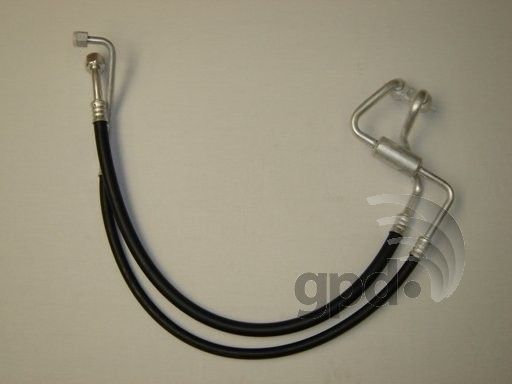
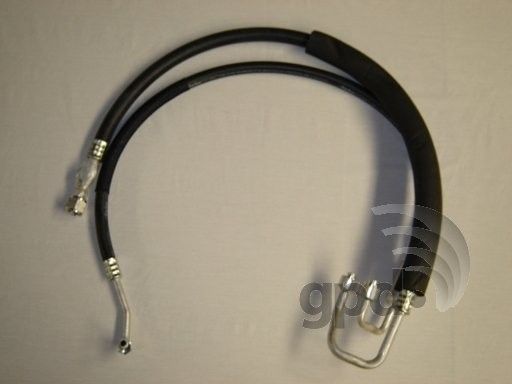
- Value-Priced Aftermarket (e.g., Global Parts): Brands like Global Parts (GPD) offer a more budget-friendly option. While many users have success with these parts, some online discussions mention mixed long-term results. For a part that requires significant labor to replace, consider the trade-off between upfront cost and potential future repairs. GPD itself recommends replacing the accumulator, expansion device, and all O-rings at the same time to ensure a clean system and a successful repair.
Replace More Than Just the Hose
Whenever the A/C system is opened for service, it is critical to also replace the A/C Accumulator/Drier and the Orifice Tube. The accumulator contains a desiccant that absorbs moisture, and it can only absorb so much. A new accumulator ensures the system stays dry and free of contaminants. Failure to replace these components can cause the new compressor or other parts to fail prematurely.
Estimated Replacement Costs for Your S10
The cost to fix your S10's A/C will include the part itself and the labor to perform the service, which includes recovering the old refrigerant, installing the new hose, and recharging the system.
| Part/Service | Estimated Cost |
|---|---|
| New Aftermarket A/C Hose Assembly | $77 - $95 |
| New OEM A/C Hose Assembly | $95 - $230 |
| Shop Labor & A/C Service (Evacuate & Recharge) | $86 - $126 |
| Total Estimated Repair Cost (Aftermarket) | $163 - $221 |
Frequently Asked Questions
Do I have to replace other parts with the A/C hoses?
Yes. It is highly recommended, and often required for warranty purposes, to also replace the A/C accumulator (or receiver/drier) and the orifice tube. These parts are critical for filtering moisture and debris. Skipping them can lead to a quick failure of your new parts.
Can I replace the A/C hoses myself to save money?
This is not recommended for a DIY project. The refrigerant (R134a for this S10) must be recovered by a certified technician with specialized equipment before any work begins. After the part is replaced, the system needs to be vacuumed to remove air and moisture before being recharged with a precise amount of refrigerant and oil.
Are there any recalls for the A/C hoses on my S10?
No. There are no specific recalls or technical service bulletins (TSBs) from Chevrolet or the NHTSA for A/C hose assembly failures on the 1999-2004 Chevrolet S10.
Why is replacing the small O-rings and seals so important?
The O-rings and seals at the hose connections are what create the leak-proof seal. Old seals become hard and brittle and will not seal properly again once disturbed. Always use new, lubricated O-rings during installation to prevent leaks at the connection points.
Technical Specifications
OEM Part Numbers: 15981237 15-30878
System uses R134a refrigerant. Hose assemblies consist of both high-pressure and low-pressure lines with specific fittings for the compressor, condenser, and evaporator/accumulator.
We Have This Part in Stock

The information in this article is provided for general reference and educational purposes only. Vehicle specifications, procedures, and part compatibility can vary by production date, trim level, and region. Always consult your vehicle's factory service manual and verify part numbers before purchasing or performing repairs. Safety-critical components such as airbags, seat belts, and braking systems should be installed by a qualified professional.
- Chevrolet S10: