

Chevrolet Silverado 2500 Oxygen Sensor Guide: 1999-2004
Solve poor fuel economy and check engine lights by choosing the right oxygen sensor for your Silverado 2500.
- Your truck has four O2 sensors; identify the correct one before ordering (Bank 1/2, Sensor 1/2).
- For best results, use OEM-quality brands like ACDelco, Denso, or NGK/NTK.
- If you have codes for all four sensor heaters, check the 'O2B' fuse before replacing any parts.
- Ignoring a bad O2 sensor can lead to poor performance, bad gas mileage, and expensive catalytic converter damage.
Is Your Silverado's Oxygen Sensor Failing?
A bad oxygen sensor can cause noticeable problems with your truck. Because it directly affects the air-to-fuel ratio, a faulty sensor can make your engine run too rich (too much fuel) or too lean (not enough fuel). Driving for too long with a bad sensor can lead to more expensive repairs, like a damaged catalytic converter.
Symptoms of a Bad O2 Sensor:
🎬 Watch this breakdown of common bad oxygen sensor symptoms.- Check Engine Light: This is the most common sign. The light will turn on when the sensor's reading is out of the normal range, triggering a Diagnostic Trouble Code (DTC).
- Poor Fuel Economy: If the sensor is failing, the engine might use more fuel than needed, causing you to fill up more often.
- Rough Idle and Misfires: An incorrect air-fuel mixture can cause the engine to run poorly, shake, or misfire.
- Bad Smell from Exhaust: A rich fuel mixture can create a "rotten egg" smell from the unburnt fuel in the exhaust.
- Failed Emissions Test: A bad O2 sensor is a common reason for failing a state emissions inspection.
A Common Electrical Issue
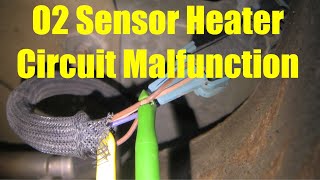
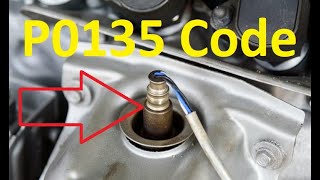
If your scanner shows codes for all four oxygen sensor heater circuits at once (P0135, P0141, P0155, and P0161), don't replace all the sensors. This issue is almost always caused by a single blown fuse, often labeled "O2B" in the fuse box. Check your fuses before buying any parts.
🎬 See how to diagnose these four heater circuit codes simultaneously.Choosing the Right Aftermarket Oxygen Sensor
Your 1999-2004 Silverado 2500 has four oxygen sensors: two upstream (before the catalytic converters) and two downstream (after the catalytic converters). The upstream sensors (Sensor 1) are vital for fuel control, while the downstream sensors (Sensor 2) mainly monitor the health of the catalytic converters. When replacing them, brand quality matters.
Brand Tiers for Your Silverado
- Tier 1 (OEM Quality): ACDelco, Denso, NGK/NTK
ACDelco is GM's official parts brand, but they often don't manufacture the sensors themselves. Denso and NGK (under the NTK brand) are the original equipment manufacturers for many GM vehicles and are highly recommended by mechanics and truck owners. Choosing one of these brands is the safest bet for a reliable, long-lasting repair without compatibility issues. - Tier 2 (Reputable Aftermarket): Bosch
Bosch is one of the largest sensor manufacturers in the world. However, owner experiences are mixed for GM trucks. Some have no problems, while many report that Bosch sensors can be unreliable or fail to clear check engine light codes on these specific vehicles. - Tier 3 (Economy): Walker, DriveWire, Spectra & Store Brands
These brands offer a lower price point. While tempting, they are often less reliable and may have a shorter service life. Using a budget sensor might save you money initially, but it could lead to replacing the part again sooner than expected.
Pro Tip: Upstream vs. Downstream
The upstream and downstream sensors are physically different and have different part numbers. Always double-check that you are ordering the correct sensor for the specific location (e.g., Bank 1 Sensor 1, Bank 2 Sensor 2). Mixing them up will prevent your truck from running correctly.
Cost to Replace a Silverado 2500 Oxygen Sensor
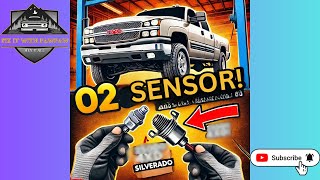
The cost can vary depending on the brand of the part and whether you do the work yourself. 🎬 Follow this easy walkthrough to replace sensors on your 4x4. The downstream sensors are typically easier to access and replace than the upstream sensors.
| Cost Category | Estimated Price Range |
|---|---|
| New Aftermarket Part | $33.58 - $118.08 |
| New OEM Part (ACDelco/GM Genuine) | $60 - $150+ |
| Shop Labor | $80 - $150 per sensor |
Frequently Asked Questions
How many oxygen sensors does my 1999-2004 Silverado 2500 have?
Your truck is equipped with four oxygen sensors. There is one upstream (before the catalyst) and one downstream (after the catalyst) for each engine bank. The driver's side is Bank 1, and the passenger's side is Bank 2.
What tools do I need to replace an oxygen sensor?
You will need a special tool called an oxygen sensor socket, which has a slot for the wire to pass through. A 7/8-inch (22mm) wrench can also work, especially for the more accessible downstream sensors. It's also a good idea to have penetrating oil on hand, as the sensors can be seized in the exhaust pipe from rust and heat.
Should I use anti-seize on the new sensor?
Yes, you should always apply a small amount of high-temperature anti-seize compound to the threads of the new sensor before installation. This prevents it from getting stuck in the future. However, most new sensors from quality brands like Denso, NGK, and ACDelco come with anti-seize already applied to the threads. Be careful not to get any on the sensor tip itself.
Can I clean my old oxygen sensor instead of replacing it?
While there are methods for cleaning O2 sensors, it is generally not recommended as a long-term solution. The internal components of the sensor wear out over time, and cleaning will not restore them. Replacement is the only way to guarantee proper function and resolve check engine light codes reliably.
Helpful Videos
Technical Specifications
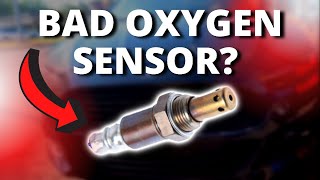
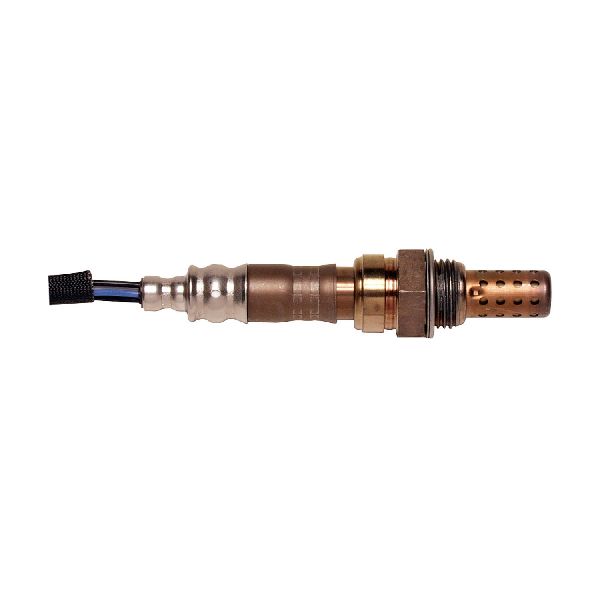
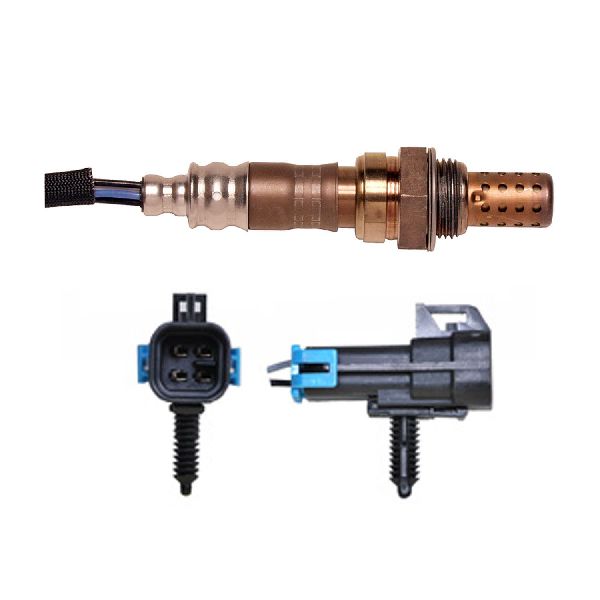
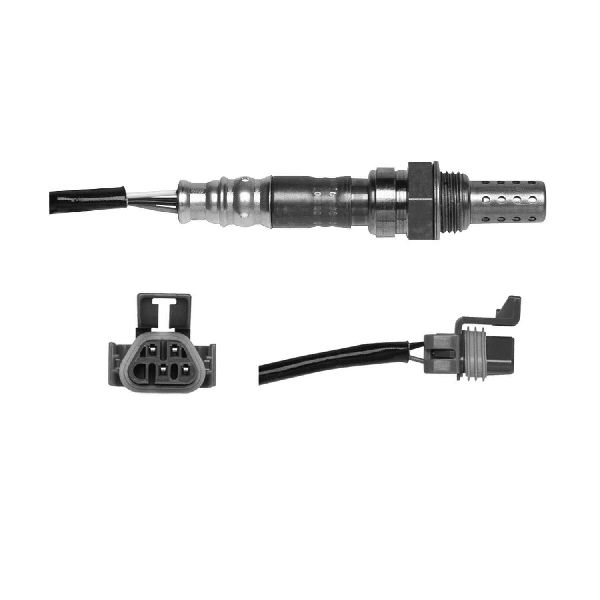
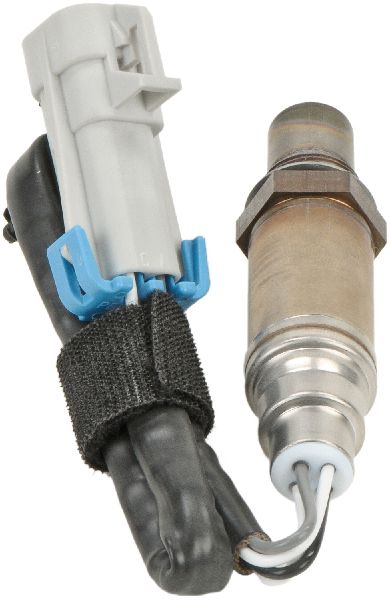
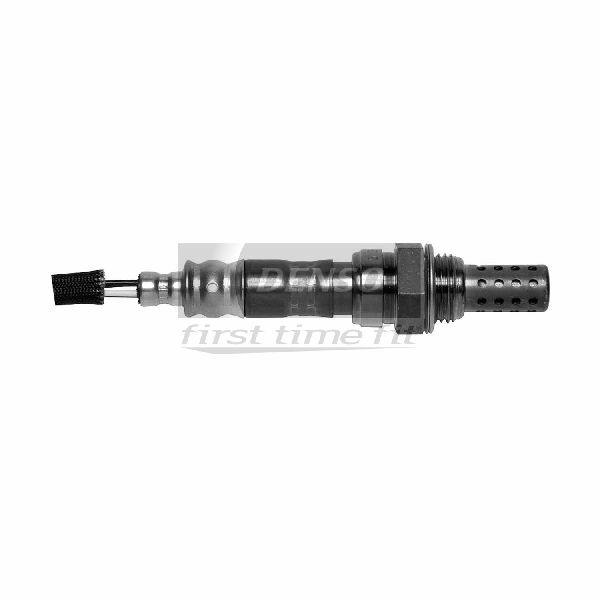
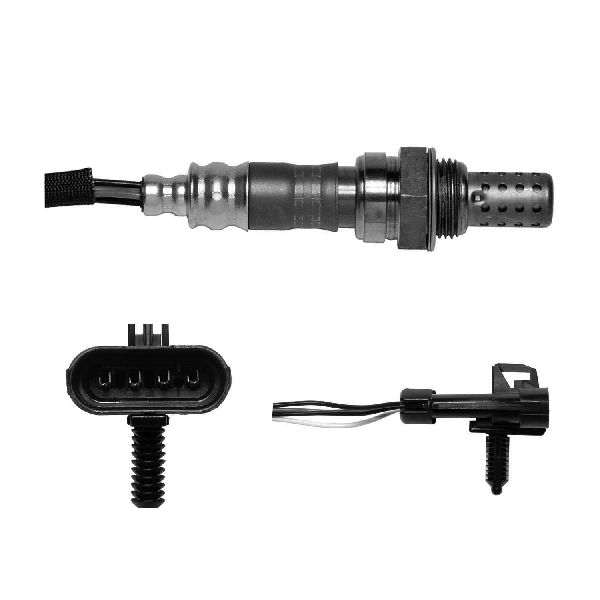
Your 1999-2004 Chevrolet Silverado 2500 is equipped with four heated, 4-wire narrow-band oxygen sensors. There are two upstream sensors (Bank 1 Sensor 1 and Bank 2 Sensor 1) located in the exhaust manifolds before the catalytic converters, and two downstream sensors (Bank 1 Sensor 2 and Bank 2 Sensor 2) located after the catalytic converters. Part numbers are specific to location, so verify fitment with your vehicle's VIN.
We Have This Part in Stock

The information in this article is provided for general reference and educational purposes only. Vehicle specifications, procedures, and part compatibility can vary by production date, trim level, and region. Always consult your vehicle's factory service manual and verify part numbers before purchasing or performing repairs. Safety-critical components such as airbags, seat belts, and braking systems should be installed by a qualified professional.
- Chevrolet Silverado 2500:
- 🎬 Helpful Videos
- 🛍️ Shop This Part
- Is Your Silverado's Oxygen Sensor Failing?
- Symptoms of a Bad O2 Sensor:
- A Common Electrical Issue
- Choosing the Right Aftermarket Oxygen Sensor
- Brand Tiers for Your Silverado
- Pro Tip: Upstream vs. Downstream
- Cost to Replace a Silverado 2500 Oxygen Sensor
- Frequently Asked Questions
- 🎟️ Get 5% Off