

Chrysler 300M (1999-2004) Engine Intake Manifold Gasket Set Guide
Leaking coolant or a rough idle on your 3.5L V6? Your intake manifold gasket set may be the culprit.
- Failure is common due to age and heat, causing coolant and/or vacuum leaks.
- Always replace the upper (plenum) and lower intake gaskets as a complete set.
- This is the perfect time to also replace spark plugs and the thermostat, as they are otherwise difficult to access.
- A torque wrench is essential for reassembly to avoid damaging the manifold or new gaskets.
Understanding Gasket Failure on Your 300M
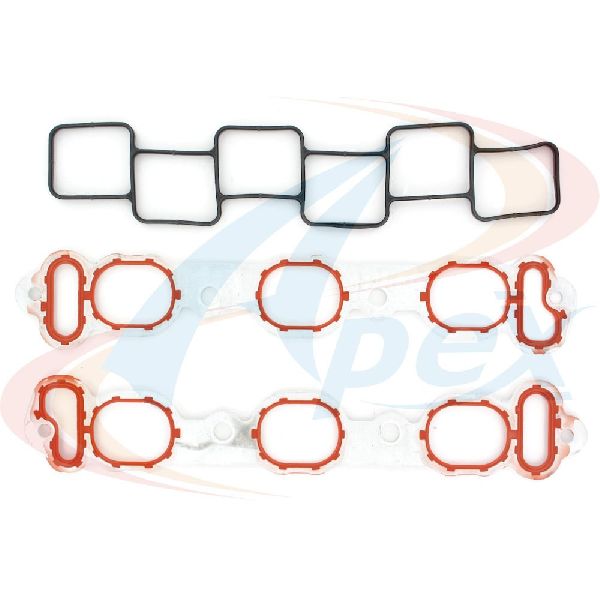
If you own a 1999-2004 Chrysler 300M, your car is powered by a 3.5L V6 engine. Over many years and countless heat cycles, the original intake manifold gaskets can become hard, brittle, and compressed. This degradation causes them to lose their ability to seal properly, leading to frustrating and potentially damaging engine issues. The intake system on this engine uses two primary gaskets: a lower intake gasket sealing the manifold to the heads, and an upper plenum gasket sealing the two halves of the intake manifold. It is highly recommended to replace both as a set, because if one has failed from age, the other is likely to fail soon after.
Symptoms of a Bad Intake Manifold Gasket Set
A failing gasket can present several distinct symptoms. Paying attention to these signs can help you diagnose the problem before it leads to more severe engine damage.
- Coolant Leaks: You may notice puddles of orange or green coolant on the ground, particularly towards the top front of the engine. A sweet smell of antifreeze after the car has been running is another common sign.
- Engine Overheating: A significant coolant leak will cause the engine to run hot or overheat. This is a serious condition that can lead to warped cylinder heads or other major engine damage if not addressed immediately.
- Rough Idle and Stalling: A vacuum leak from a bad gasket allows extra, unmeasured air into the engine. This disrupts the air-fuel mixture, causing a rough or fluctuating idle, and in some cases, stalling.
- Check Engine Light: The extra air from a vacuum leak will often trigger the Check Engine Light. You may see diagnostic trouble codes (DTCs) like P0171 (System Too Lean Bank 1) or P0174 (System Too Lean Bank 2). A general misfire code like P0300 may also appear.
- Hissing Sounds: A distinct hissing or whistling noise from the engine bay is a classic sign of a vacuum leak caused by a failed gasket.
Known Issues & Recalls
There are no specific recalls or widespread Technical Service Bulletins (TSBs) from Chrysler for intake manifold gasket failure on the 1999-2004 300M. Failures are typically due to the age and normal degradation of the original gasket materials.
Choosing the Right Aftermarket Gasket Set
When replacing the intake manifold gaskets, you have a choice between several aftermarket brands. For a critical component like this, investing in a quality part can save you from having to do the job a second time.
- Premium Brands (Recommended): Brands like Victor Reinz are known for producing parts that meet or exceed original equipment (OEM) quality. Victor Reinz gaskets are often engineered with durable materials designed to withstand modern coolants and high heat, making them an excellent choice for a long-lasting repair.
- Standard Brands: Brands such as Apex offer a more budget-friendly option. While they are functional, forum discussions often favor premium brands for critical sealing applications to ensure reliability.
Pro Tip: Always purchase a complete kit that includes both the lower intake gaskets and the upper plenum gasket. Since accessing these gaskets requires significant labor, replacing everything at once is the most efficient and reliable repair strategy.
Cost to Replace Chrysler 300M Intake Manifold Gaskets
The total cost will depend on whether you do the work yourself or hire a professional mechanic. Labor is the most significant expense for this repair.
| Part / Service | Estimated Cost |
|---|---|
| New Aftermarket Gasket Set | $30 - $60 |
| Shop Labor | $210 - $600 |
| Total Estimated Cost | $240 - $660 |
Note: Costs are estimates and can vary based on your location and the specific repair shop.
Frequently Asked Questions (FAQ)
Is this a difficult job to do myself?
For an experienced DIY mechanic, this job is manageable but time-consuming. It requires draining the cooling system, disconnecting the fuel rail, and removing both the upper and lower intake manifolds. You will need a torque wrench to properly tighten the bolts in sequence during reassembly. For beginners, this job is likely best left to a professional.
Should I replace any other parts at the same time?
Yes. Since the intake manifold completely covers the spark plugs on the 3.5L V6, this is the perfect time to replace them. It is also a good opportunity to inspect and replace the thermostat and any vacuum hoses that appear brittle or cracked.
Do I need to use sealant on the new gaskets?
Most modern gasket sets for the 300M are designed to be installed dry. They have pre-applied silicone or rubber beads that create the seal. Always follow the specific instructions included with your new gasket set. Applying extra sealant where it's not required can sometimes cause leaks.
Can I reuse the old intake manifold bolts?
While you can often reuse the original bolts, some mechanics prefer to use new ones, especially if the old ones show any signs of corrosion or thread damage. Some premium gasket kits may even include new bolts. Always clean the bolt threads and holes before reassembly.
Technical Specifications
OEM Part Numbers: 4663852AB 4663851
The required part is a set containing both upper (plenum) and lower intake manifold gaskets. The 3.5L V6 requires a specific set; parts are not interchangeable with other Chrysler engines. The lower manifold bolts should be torqued to 28 Nm (250 in. lbs.) and the upper plenum bolts to 12 Nm (105 in. lbs.) in the specified sequence.
We Have This Part in Stock


The information in this article is provided for general reference and educational purposes only. Vehicle specifications, procedures, and part compatibility can vary by production date, trim level, and region. Always consult your vehicle's factory service manual and verify part numbers before purchasing or performing repairs. Safety-critical components such as airbags, seat belts, and braking systems should be installed by a qualified professional.
- Chrysler 300M: