

Engine Coolant Temperature Sensor Guide for 1999-2004 GMC Sierra 2500
Understand why this small sensor is critical for your Sierra's engine performance and fuel economy.
- A bad ECT sensor causes more than just a faulty gauge; it directly impacts fuel economy and engine performance.
- Symptoms like poor MPG, black smoke, and hard starts are common indicators of a failing sensor.
- Replacement is simple and can be done in under 30 minutes with basic tools.
- Choose a quality aftermarket brand like Delphi, NGK, or Standard Motor Products for a reliable, cost-effective repair.
Understanding a Failing ECT Sensor
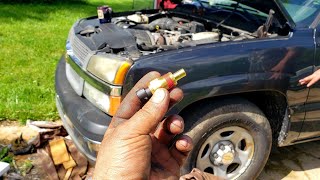
A faulty Engine Coolant Temperature (ECT) sensor can cause a surprising number of problems in your 1999-2004 GMC Sierra 2500. Because the truck's main computer relies on this sensor for so much information, a bad reading can make the engine run poorly. You might notice the temperature gauge on your dashboard giving strange readings, or not moving at all. Other common issues include a noticeable drop in fuel economy, black smoke from the exhaust, difficulty starting the engine, and a rough idle. 🎬 Watch: 8 common symptoms of a bad coolant temperature sensor These symptoms occur because the computer may be providing the wrong fuel mixture, thinking the engine is cold when it's actually warm, or vice-versa.
Check Engine Light is a Key Indicator
Often, the first sign of a problem is a check engine light. Common trouble codes associated with a failing ECT sensor are P0117 (Circuit Low Input), P0118 (Circuit High Input), and P0115 or P0116. A P0117 code means the computer is seeing a lower-than-expected voltage, which it interprets as the engine being extremely hot. Conversely, a P0118 code means the computer sees a high voltage, making it think the engine is extremely cold.
🎬 See this expert explanation of the P0118 trouble codeChoosing the Right Aftermarket Sensor
When replacing the ECT sensor, you have several aftermarket options. Not all brands are created equal, but you don't necessarily need to buy an expensive OEM part to get good performance.
- Top-Tier Aftermarket: Brands like Delphi and NGK/NTK are excellent choices. Delphi was a major original equipment (OE) supplier for General Motors, so their parts are often built to the same standards as the original. NGK/NTK is also a highly respected OE supplier known for quality sensors. Standard Motor Products (SMP) is another reputable brand that often manufactures parts in-house or sources from quality suppliers.
- Standard Replacement: Brands like Four Seasons, Walker Products, and Holstein offer reliable replacement-grade parts that meet original specifications and are a good value. These are perfectly suitable for most repairs.
- OEM vs. Aftermarket: For a simple and common part like an ECT sensor on this generation of Sierra, a high-quality aftermarket part from a brand like Delphi, NGK, or Standard is a smart choice. They offer performance comparable to the original part at a lower cost.
Pro Tip: Check the Connector
While you're replacing the sensor, inspect the electrical connector. Over time, the plastic can become brittle and the terminals can corrode. If the connector looks damaged, it's wise to replace it at the same time to ensure a good connection and prevent future problems. A poor connection can mimic the symptoms of a failed sensor.
Installation Overview
Replacing the ECT sensor on a 1999-2004 GMC Sierra 2500 is a straightforward job that most DIYers can handle. On the V8 gas engines (like the 6.0L), the sensor is typically located on the driver's side cylinder head, near the front of the engine. You will need a deep socket (often 19mm) to remove and install it. Be prepared for a small amount of coolant to spill when you remove the old sensor; have the new sensor ready to install quickly to minimize loss.
🎬 Watch: Step-by-step walkthrough for replacing your Sierra's coolant sensor| Part Type | Price Range |
|---|---|
| New Aftermarket | $16.81 - $42.08 |
| New OEM (ACDelco) | $30 - $60 |
| Shop Labor | $50 - $100 |
Frequently Asked Questions
Where is the ECT sensor located on my Sierra 2500?
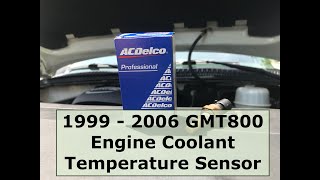
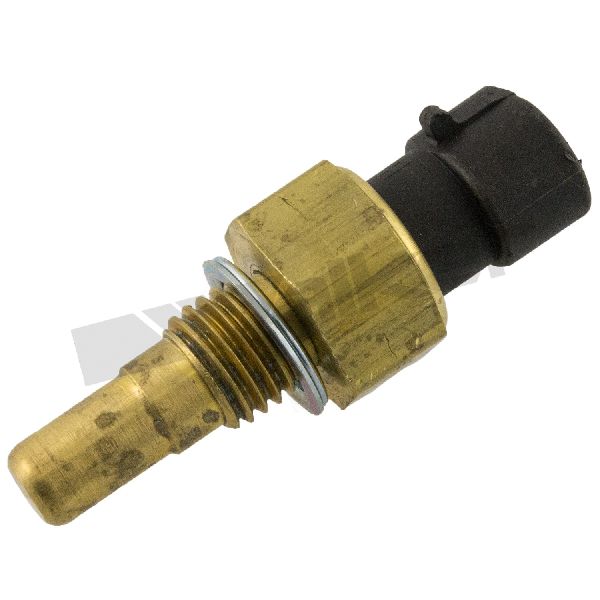
For most V8 gas engines in this year range, the sensor is threaded into the driver's side cylinder head, towards the front of the engine. It will have a two-wire electrical connector.
How many coolant temperature sensors does my truck have?
Your truck has one primary Engine Coolant Temperature (ECT) sensor that sends information to the computer. Some vehicles have a separate switch or sensor just for the dashboard gauge, but on these GM trucks, the single sensor typically provides the reading for both the computer and the gauge.
Can I drive with a bad ECT sensor?
Yes, but it is not recommended for long. The truck may enter a "failsafe" mode with conservative settings. You will experience poor fuel economy, increased emissions, and potentially hard starting or stalling. It's best to get it replaced soon to avoid these issues and prevent long-term carbon buildup.
Are there any recalls for this part?
There are no specific recalls on the Engine Coolant Temperature Sensor for the 1999-2004 GMC Sierra 2500. A recall for later model years existed for a block heater element that could leak coolant, but this is unrelated to the sensor itself.
Helpful Videos

Technical Specifications
OEM Part Numbers: 12608814 15326388 19236568 12191170
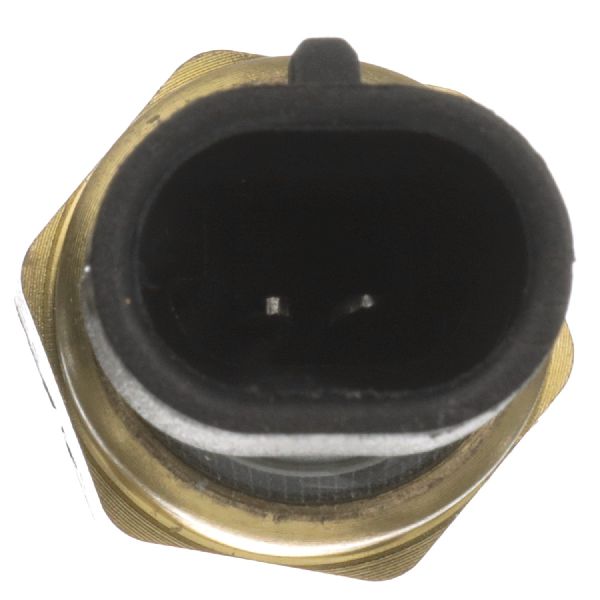
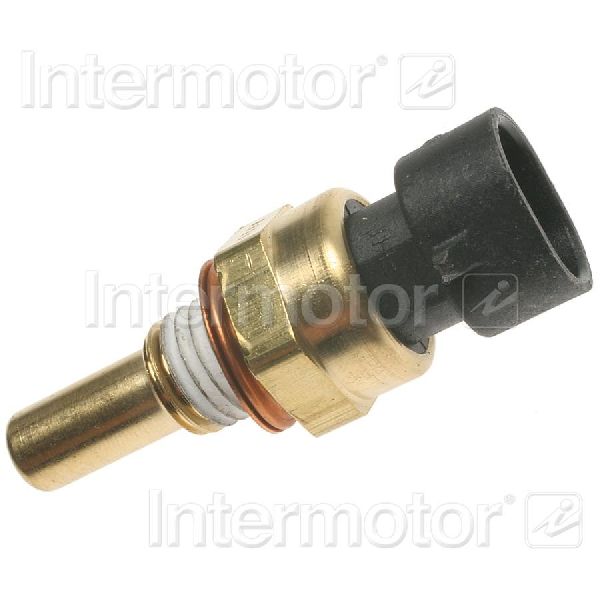
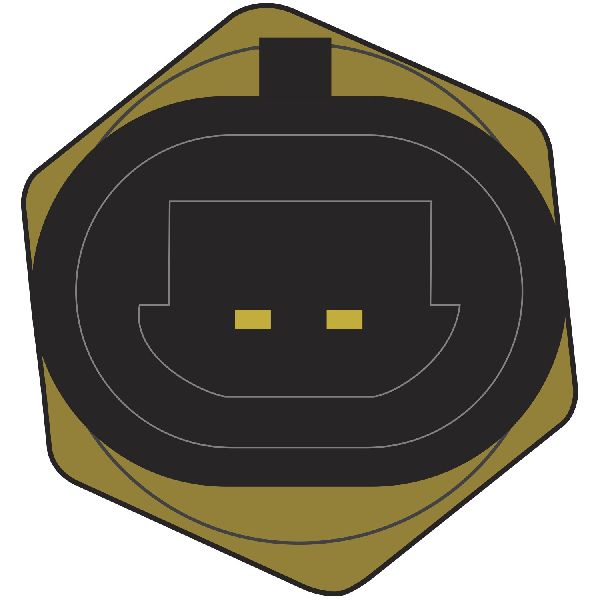
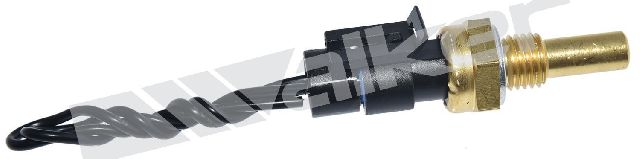
Typically features a 2-pin blade style connector, brass body, and M12 or 3/8-18 thread size. Always verify the specific part for your engine.
We Have This Part in Stock


The information in this article is provided for general reference and educational purposes only. Vehicle specifications, procedures, and part compatibility can vary by production date, trim level, and region. Always consult your vehicle's factory service manual and verify part numbers before purchasing or performing repairs. Safety-critical components such as airbags, seat belts, and braking systems should be installed by a qualified professional.
- GMC Sierra 2500: