

A Complete Guide to the 1999-2004 Oldsmobile Alero Radiator
Keep your Alero's engine cool and prevent costly damage by understanding radiator failure and choosing the right replacement.
- Radiator failure is common and often involves cracks in the plastic end tanks or leaks at the seams.
- For 3.4L V6 models, always verify a leak isn't from the notorious intake manifold gaskets before replacing the radiator.
- Quality aftermarket brands like Koyorad or Spectra provide a reliable and cost-effective repair.
- Always replace the coolant reservoir cap and use the correct DEX-COOL compatible antifreeze when installing a new radiator.
Is Your Alero's Radiator Failing?


Radiator problems are a common issue as these cars age. The original radiators use an aluminum core with plastic side tanks. Over time, the plastic can become brittle and crack from constant heat cycles, or the seals where the plastic meets the aluminum can fail. Ignoring these symptoms can lead to severe engine damage.
Key Symptoms of a Bad Radiator:
- Engine Overheating: The most obvious sign. The temperature gauge on your dashboard will climb into the red zone, especially in traffic or on hot days.
- Visible Coolant Leaks: You may see puddles of green or orange fluid (coolant) under the front of your car. Leaks often appear as drips or stains on the radiator itself, especially around the plastic end tanks.
- Low Coolant Light: A persistent low coolant warning light on your dash, even after topping it off, points to a leak somewhere in the system.
- Sweet Smell: Leaking coolant has a distinct sweet, syrupy smell. You might notice this odor from outside the car or through the vents when the heat is on.
- Steam from Engine Bay: If a leak is bad enough to spray coolant onto hot engine parts, it will create steam. Pull over immediately if you see this.
Warning for 3.4L V6 Owners: Check Your Intake Manifold Gaskets
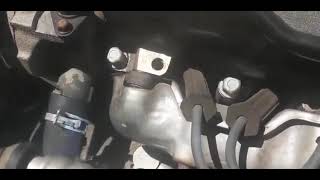
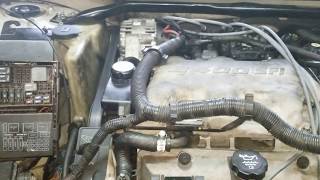
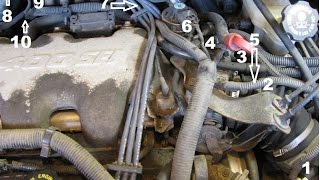
A very common and well-documented issue on the 3.4L V6 engine is the failure of the lower intake manifold gaskets. This can cause a coolant leak that is often misdiagnosed as a bad radiator or water pump. The leak typically appears at the front or rear corners of the engine, below the cylinder heads. Before replacing your radiator, confirm the exact source of the leak to avoid unnecessary repairs.
Choosing the Right Aftermarket Radiator for Your Alero


Since OEM radiators for the Alero are becoming harder to find and more expensive, a new aftermarket radiator is the most common choice. Aftermarket brands offer a good balance of quality and price, but not all are created equal. Here’s a breakdown of the available brands.
Tier 1: Higher-Quality Aftermarket
- Koyorad: Often regarded as a premium aftermarket brand, Koyorad radiators are known for good construction and fitment, sometimes exceeding original specifications. They are a solid choice for owners looking for the best-available aftermarket option.
- Spectra: One of the most popular aftermarket brands, Spectra offers a good balance of price and reliability. While some users report shorter lifespans of a few years, they are generally considered a dependable standard replacement.
Tier 2: Standard & Economy Replacements
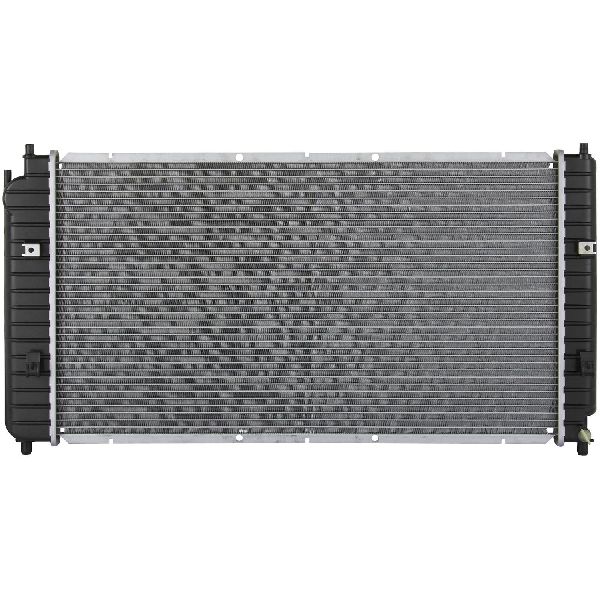
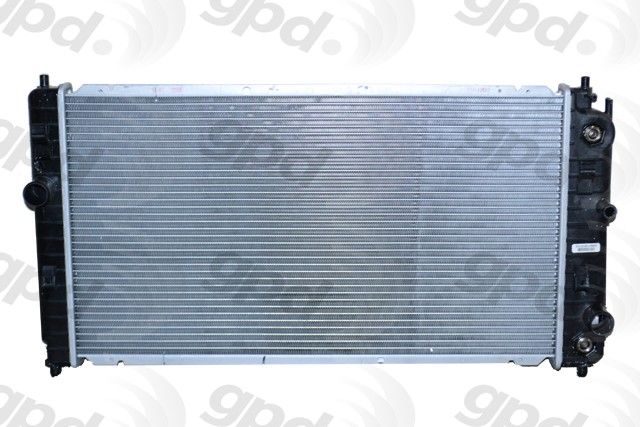
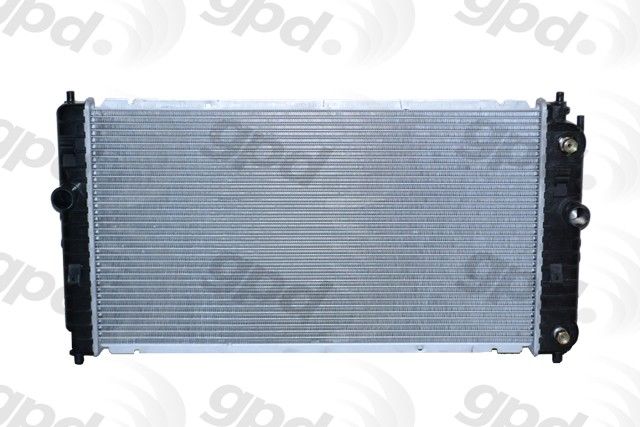
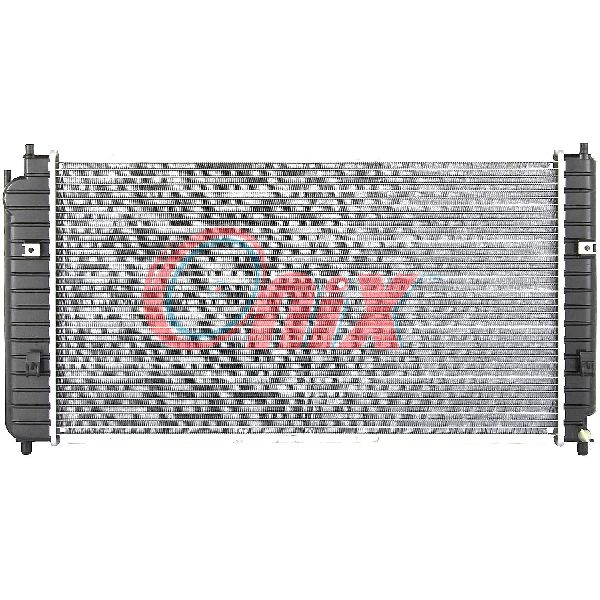
- APDI, Global Parts, One Stop Solutions, Onix: These brands fall into the economy or standard replacement category. They are designed to be a direct-fit, budget-friendly solution to get your car back on the road. While they meet basic requirements, some forum users have noted that brands like APDI can feel less robust than higher-priced alternatives. They are a practical choice if budget is the primary concern.
Pro Tip: Don't Forget the Cap and Coolant
Your Alero doesn't have a traditional radiator cap on the radiator itself. The pressure cap is on the coolant surge tank (reservoir). It's highly recommended to replace this cap when you install a new radiator. A weak cap can't hold pressure, which lowers the boiling point of your coolant and can lead to overheating. Also, be sure to use the correct type of coolant (DEX-COOL or a compatible equivalent) and properly bleed the air out of the system after installation.
Frequently Asked Questions

Is it hard to replace the radiator on a 1999-2004 Alero?
For a DIYer with some experience, it is a moderately difficult job that can take a few hours. It requires draining the cooling system, disconnecting hoses, removing the electric fan assembly, and unbolting the transmission cooler lines and A/C condenser. The A/C condenser is attached to the radiator, but you can typically unbolt it and move it aside without discharging the A/C system. Patience is key, especially with tight spaces and old hose clamps.
What is TSB 071503 and does it mean my radiator is bad?
Technical Service Bulletin (TSB) 071503 was issued by GM in 2003 to address complaints of coolant loss. It doesn't point to a single defective part but acknowledges a known issue with leaks in the cooling system. This means the manufacturer was aware that these vehicles could develop leaks from various components, including the radiator, hoses, or water pump.
What does the code P1258 mean?
The diagnostic trouble code P1258 means "Engine Coolant Overtemperature - Protection Mode Active." This is a serious code. It means your Alero's computer has detected dangerously high engine temperatures and is trying to prevent catastrophic damage by shutting off fuel to some of the cylinders. A failing radiator is a very common cause of the overheating that triggers this code. You should not drive the vehicle if this code is active.
Should I buy an OEM or Aftermarket radiator?
While original GM radiators often last over 10 years, they are expensive and may be discontinued. Modern aftermarket radiators from reputable brands are made with the same materials (aluminum core, plastic tanks) and offer a reliable, cost-effective repair for an older vehicle like the Alero. The key is to choose a quality brand and ensure proper installation.
Helpful Videos
Technical Specifications
OEM Part Numbers: 22676953
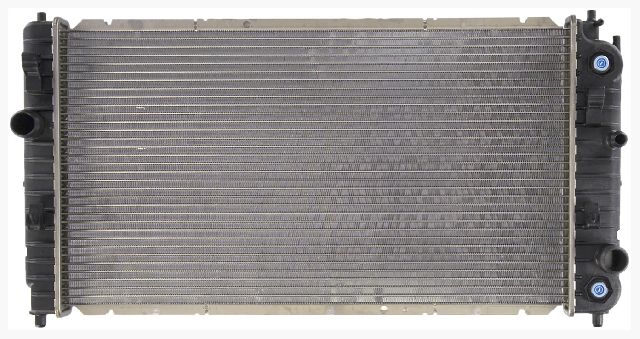
The radiator for the 1999-2004 Oldsmobile Alero features an aluminum core with plastic end tanks. It includes connections for the upper and lower radiator hoses, as well as fittings for the automatic transmission fluid cooler lines integrated into the driver's side tank.
We Have This Part in Stock


The information in this article is provided for general reference and educational purposes only. Vehicle specifications, procedures, and part compatibility can vary by production date, trim level, and region. Always consult your vehicle's factory service manual and verify part numbers before purchasing or performing repairs. Safety-critical components such as airbags, seat belts, and braking systems should be installed by a qualified professional.
- Oldsmobile Alero:
- 🎬 Helpful Videos
- 🛍️ Shop This Part
- Is Your Alero's Radiator Failing?
- Key Symptoms of a Bad Radiator:
- Warning for 3.4L V6 Owners: Check Your Intake Manifold Gaskets
- Choosing the Right Aftermarket Radiator for Your Alero
- Tier 1: Higher-Quality Aftermarket
- Tier 2: Standard & Economy Replacements
- Pro Tip: Don't Forget the Cap and Coolant
- Frequently Asked Questions
- 🎟️ Get 5% Off