

Saab 9-3 Engine Crankshaft Position Sensor (1999-2004): A Complete Guide
Solve common no-start and stalling problems by understanding this critical sensor in your Saab 9-3.
- The most common symptom is the engine cranking but not starting when hot, then starting again after it cools down.
- Bosch is the original equipment manufacturer (OEM) and is the only recommended brand for a reliable repair.
- A tachometer that stays at zero during cranking is a strong sign of a failed crankshaft position sensor.
- Replacement can be a difficult DIY job due to the sensor's tight location on the back of the engine.
Understanding Crankshaft Sensor Failure in Your 9-3
The crankshaft position sensor is a known weak point on the 1999-2004 Saab 9-3. The most common reason for failure is heat. Over time, the sensor's internal electronics become fragile. When the engine gets hot, the sensor can fail, stopping it from sending a signal. After the engine cools down, often for 30 minutes or more, the sensor might start working again. This can leave you stranded at the worst times.
The Classic Symptom: Hot No-Start
The most common complaint is driving the car until it's warm, shutting it off, and then coming back to a car that cranks but won't start. After letting the car cool down completely, it often starts up like nothing happened. This is a textbook sign of a failing crankshaft position sensor in this specific Saab model.
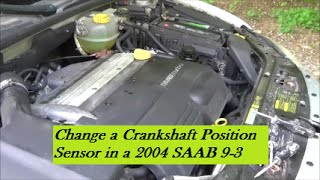
🎬 Watch: See a demonstration of these hot restart issues.Choosing the Right Aftermarket Sensor
When it comes to this specific part on your Saab, the brand you choose matters a lot. While many budget-friendly options are available, owner experiences strongly suggest a specific path.
- Tier 1 (OEM Supplier): Bosch
Bosch is the Original Equipment Manufacturer (OEM) for this sensor. This means the Bosch-branded aftermarket part is identical to the one that came with your car from the factory. Saab forums and mechanics overwhelmingly recommend using only the Bosch sensor for this repair. Cheaper aftermarket sensors have a reputation for failing quickly or not working at all right out of the box. Sticking with Bosch is the safest and most reliable choice. - Tier 2 (Reputable Aftermarket): Use with Caution
Brands like Delphi, Hella, and Standard Ignition (SMP) are well-known in the aftermarket. However, for this critical sensor on this particular vehicle, the general consensus is to avoid them in favor of the OEM Bosch part. The cost savings are often not worth the risk of continued starting problems or premature failure. - Tier 3 (Value Brands): Not Recommended
Lower-cost brands are not recommended for this application. The complex electronics of the Saab Trionic engine management system are very sensitive, and a sensor that isn't a perfect match can cause persistent issues, even if it's new.
Pro Tip: Check the Tachometer
If you suspect a bad crankshaft sensor, watch the tachometer (RPM gauge) while you crank the engine. If the needle does not move at all, it's a very strong sign that the ECU is not getting a signal from the CPS. This makes the sensor the most likely cause of your no-start problem.
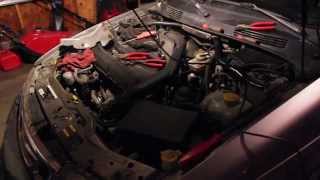
🎬 Watch: How to diagnose and fix a no-start condition.Cost of Replacing the Crankshaft Position Sensor
The cost can vary depending on the brand you choose and whether you do the job yourself or hire a professional.
| Part / Service | Estimated Cost |
|---|---|
| New OEM (Bosch) | $50 - $140 |
| New Aftermarket | $22 - $80 |
| Shop Labor | $60 - $100 |
| Total Professional Replacement (with Bosch part) | $110 - $240 |
Note: Prices are estimates and can vary based on location and supplier.
Frequently Asked Questions (FAQ)
Where is the crankshaft sensor located on the 1999-2004 Saab 9-3?
The sensor is located on the back of the engine block, near the area where the engine and transmission meet. It is positioned below the exhaust manifold and can be difficult to see and reach. It is held in place by a single bolt.
Can I replace the crankshaft sensor myself?
Yes, this is a DIY-feasible job for someone with moderate mechanical skill, but it can be frustrating due to tight access. You will likely be working blind, feeling for the sensor and its bolt from the top of the engine bay. Some owners find it easier to access after removing other components like the fan connector for more room. Patience is key. 🎬 See this replacement walkthrough for a step-by-step guide. Always compare the new sensor to the old one before installation.
Are there any recalls for this part?
No, there have been no official recalls issued by the NHTSA for the crankshaft position sensor on the 1999-2004 Saab 9-3. The failure is a well-known issue among owners but has not resulted in a safety recall.
What check engine light codes are related to a bad crank sensor?
The most common trouble codes are P0335 (Crankshaft Position Sensor 'A' Circuit Malfunction) and P0336 (Crankshaft Position Sensor 'A' Circuit Range/Performance). It's important to note that the sensor can fail intermittently, especially with heat, without immediately triggering a check engine light.
Helpful Videos


Technical Specifications
OEM Part Numbers: 9177221 30561772 55557326 12789959
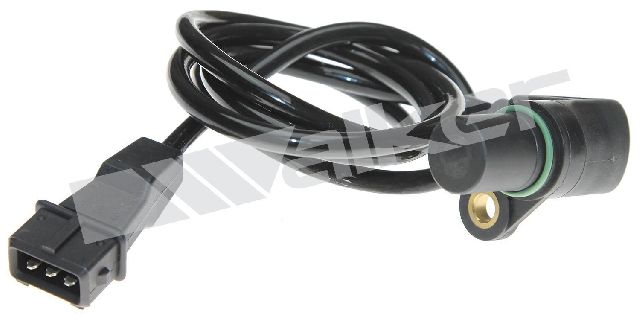
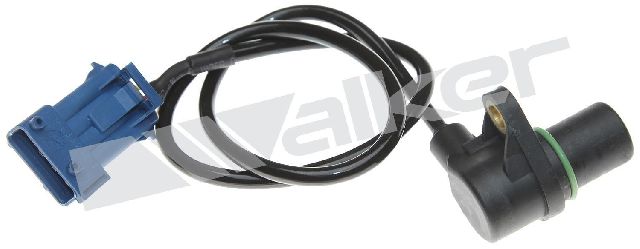
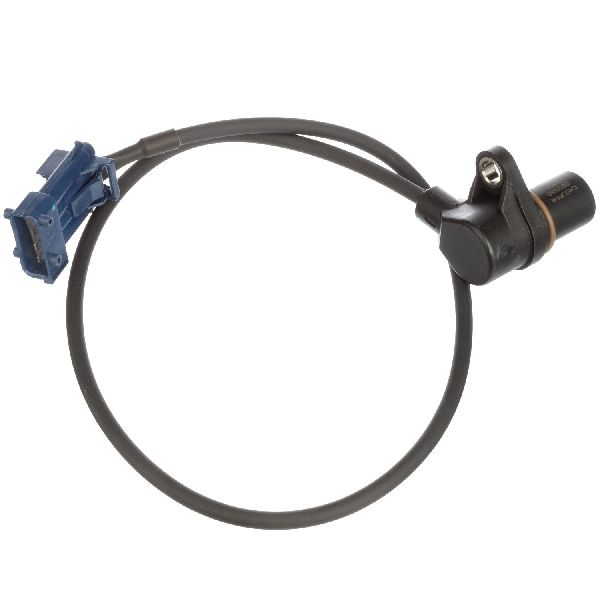
This is a 3-pin, Hall Effect sensor that reads a 58-tooth reluctor wheel on the crankshaft. The OEM Bosch part number is often 0 261 210 269 or 0 261 210 130, depending on the specific production year and engine variant.
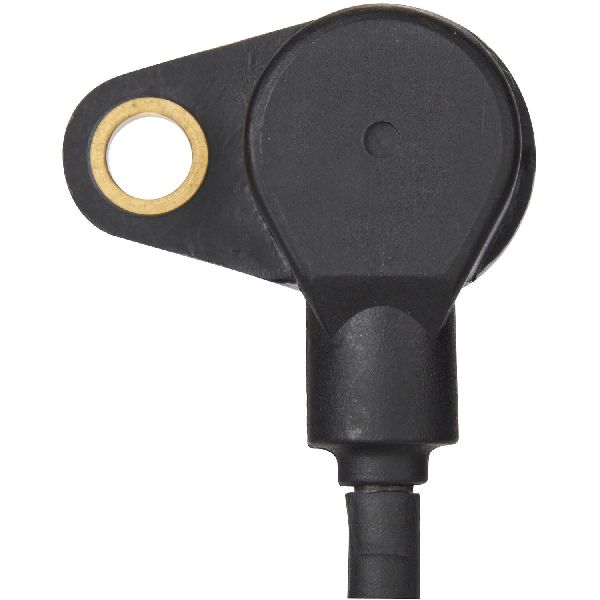
We Have This Part in Stock


The information in this article is provided for general reference and educational purposes only. Vehicle specifications, procedures, and part compatibility can vary by production date, trim level, and region. Always consult your vehicle's factory service manual and verify part numbers before purchasing or performing repairs. Safety-critical components such as airbags, seat belts, and braking systems should be installed by a qualified professional.
- Saab 9-3: