

A Guide to Replacing the Catalytic Converter on a 1999-2004 Saab 9-5
Don't let a bad catalytic converter sideline your Saab; here's what you need to know before you buy a new one.
- You MUST fix the root cause of failure (bad PCV, failing turbo, oil leaks) before installing a new converter, or it will fail again quickly.
- For models from 1999-2003, verifying the updated PCV system is installed is critical to the life of a new converter.
- Aftermarket converters are a cost-effective option, but economy brands may trigger a check engine light due to lower efficiency.
- The converter is part of the downpipe assembly; ensure you buy a 'direct-fit' part, not a 'universal' one.
Is Your Saab 9-5's Catalytic Converter Failing?
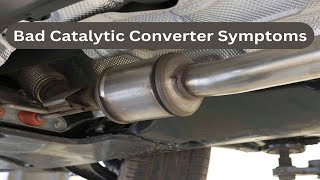
A catalytic converter failure on a 1999-2004 Saab 9-5 is rarely a random event. These parts are built to last the life of the vehicle, so when one fails, it's almost always a symptom of a deeper problem. The check engine light, with the code P0420, is the most common sign of a failing converter. You might also notice a significant loss of engine power, a rotten egg smell from the exhaust, or a rattling sound from under the car. 🎬 Watch: A breakdown of common bad catalytic converter symptoms. In severe cases, the converter can get so clogged that it glows red-hot after a short drive.
Warning: Find the Root Cause First!
Simply replacing a failed catalytic converter on your Saab 9-5 without fixing the underlying issue will destroy the new part. The most common culprits are:
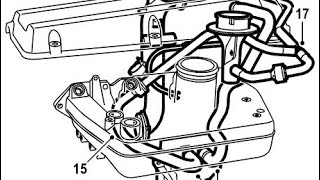
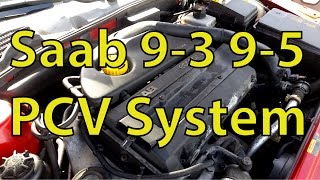
- PCV System Failure: On 1999-2003 models especially, a faulty Positive Crankcase Ventilation (PCV) system can cause engine sludge and high oil consumption. This oil gets burned in the exhaust and contaminates the converter. Ensure your car has the updated PCV kit. 🎬 See this walkthrough on installing the updated PCV kit.
- Turbocharger Failure: A failing turbo can leak oil directly into the exhaust system, which will quickly poison and clog a new converter. If your turbo is worn, replace it before the converter.
- Engine Misfires: Unburned fuel from a misfire can ignite inside the converter, melting its internal structure. Bad spark plugs or a failing ignition cassette can cause this.
Choosing the Right Aftermarket Converter
When your original converter fails, you have a choice between a very expensive OEM part and more affordable aftermarket options. For a vehicle of this age, an aftermarket converter is a practical choice, provided you understand the differences in quality.
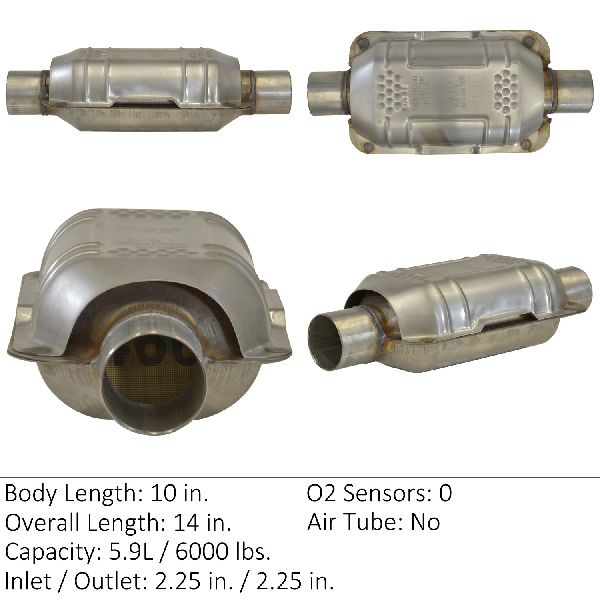
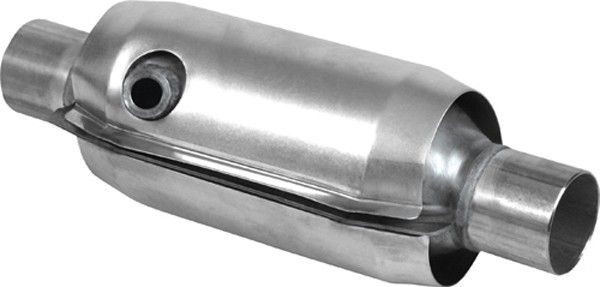
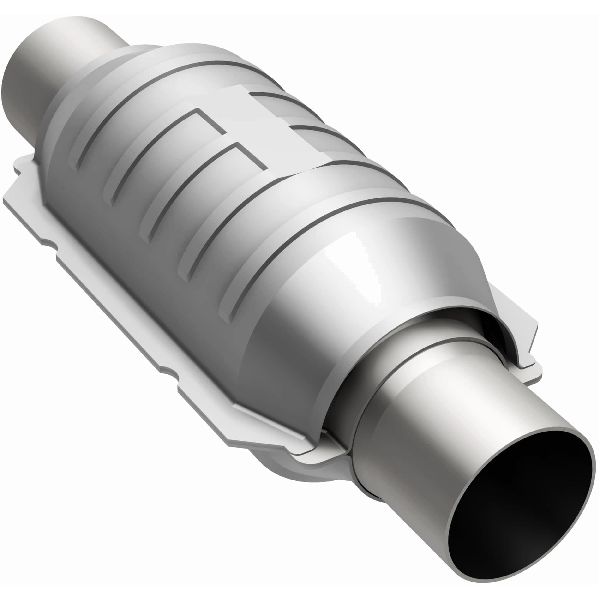
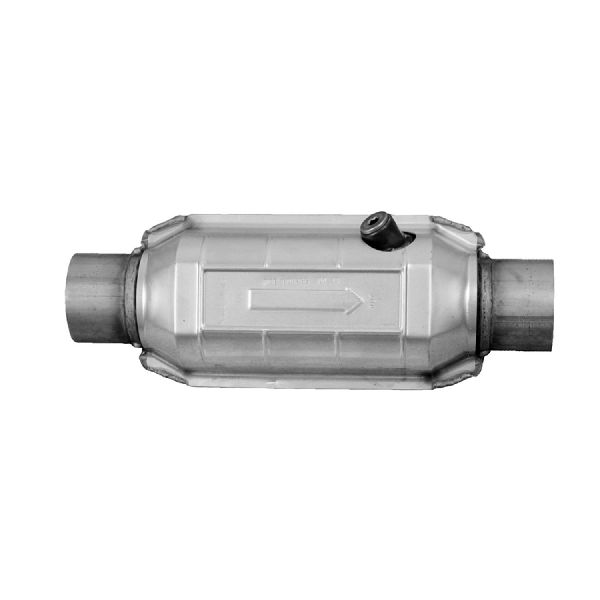
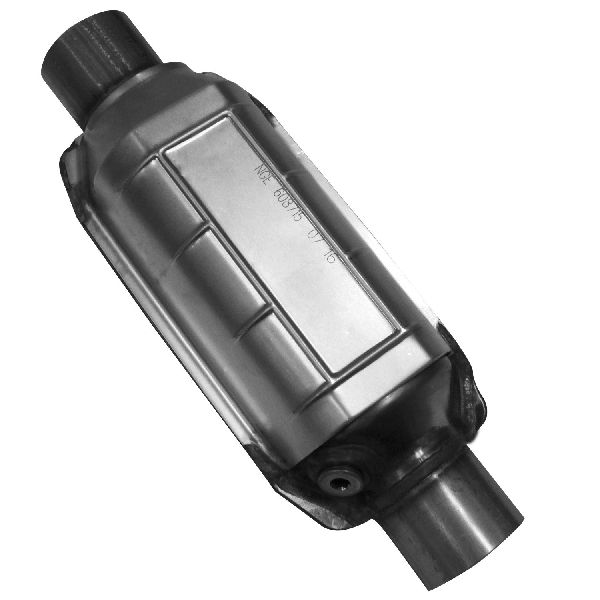
Aftermarket converters for the Saab 9-5 are sold as "direct-fit" units, meaning they are shaped like the original part and should bolt into place without welding. They can be grouped into a few tiers:
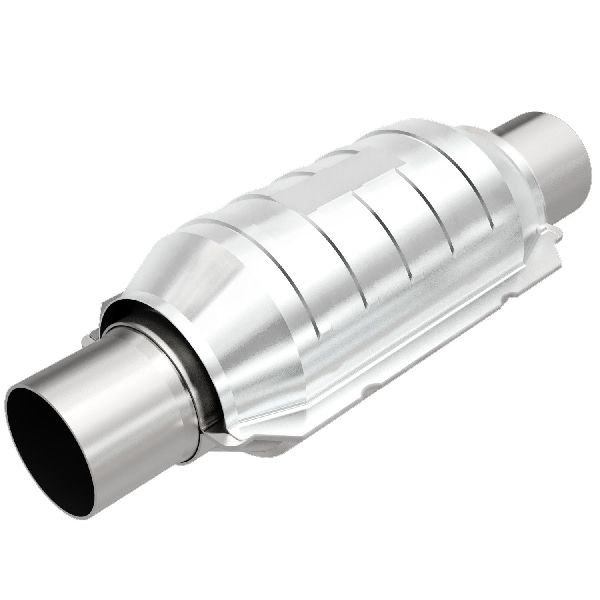
- Premium Aftermarket (e.g., MagnaFlow): Brands like MagnaFlow are often considered a higher-quality choice. They may feature better materials and construction, such as mandrel-bent tubing, which can improve exhaust flow. These are a good option if you want better longevity and are willing to spend a bit more.
- Standard Aftermarket (e.g., Walker Exhaust): Walker is a well-known brand that has been a standard replacement for years. While some users have reported recent quality declines, they are generally a reliable mid-tier option.
- Economy Aftermarket (e.g., AP Exhaust, Eastern Catalytic): These brands offer the most budget-friendly converters. While functional, they may have a lower loading of precious metals, which can sometimes trigger a P0420 check engine light even when new. Some users report minor fitment issues like slightly off angles or messy welds. They can be a viable option if budget is the main concern, but be prepared for the possibility of a recurring check engine light.
Cost to Replace a Saab 9-5 Catalytic Converter
| Part/Service | Estimated Cost |
|---|---|
| New Aftermarket Converter | $135 - $625 |
| New OEM Converter | $1,100 - $1,700+ |
| Shop Labor | $150 - $400 |
| Total (Aftermarket) | $285 - $1,025 |
Costs are estimates and can vary based on your location, the specific brand chosen, and your vehicle's condition (e.g., rusted bolts).
Frequently Asked Questions
Do I need a special converter for my turbocharged engine?
Yes, but any direct-fit converter listed for your 1999-2004 Saab 9-5 is designed to work with the turbo engine. The key is that it's built to handle the higher exhaust temperatures and flow of a turbocharged car. Cheaper universal converters not specifically designed for your car may not hold up.
What is a "direct-fit" vs. "universal" converter?
A direct-fit converter is designed to bolt directly onto your vehicle with no modifications. A universal converter is a generic part that requires cutting and welding the exhaust pipes to install. For the Saab 9-5, the converter is part of the downpipe, so you should only purchase a direct-fit assembly.
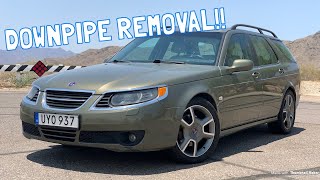
🎬 Watch: How to remove and replace your Saab's downpipe.Why did my new aftermarket converter trigger a check engine light?
This is a common issue, especially with lower-cost converters. They often contain fewer precious metals than the OEM part. The car's computer, reading the oxygen sensors, detects this lower efficiency and triggers a P0420 code. It doesn't mean the part is broken, but it isn't cleaning the exhaust to the exact standard the computer expects.
Are there any recalls for the Saab 9-5 catalytic converter?
No, there are no specific recalls for the catalytic converter on the 1999-2004 Saab 9-5. However, there is a Technical Service Bulletin (TSB 248-2506) that provides mechanics with a special diagnostic procedure using a Tech-II scan tool to test a suspected bad converter. Some converter failures have been linked to a recalled ignition module, which could cause engine misfires.
Helpful Videos
Technical Specifications
The catalytic converter for the 1999-2004 Saab 9-5 is an integrated component of the exhaust downpipe. It bolts directly to the turbocharger outlet at the top and the mid-pipe at the bottom. The assembly includes a flexible joint to accommodate engine movement and ports for both upstream and downstream oxygen sensors.
We Have This Part in Stock

The information in this article is provided for general reference and educational purposes only. Vehicle specifications, procedures, and part compatibility can vary by production date, trim level, and region. Always consult your vehicle's factory service manual and verify part numbers before purchasing or performing repairs. Safety-critical components such as airbags, seat belts, and braking systems should be installed by a qualified professional.
- Saab 9-5: