

A Guide to Spark Plugs for the 1999-2004 Saab 9-5
Protect your valuable Direct Ignition Cassette by choosing the correct spark plugs for your Saab 9-5.
- Only use NGK resistor-type spark plugs to protect the sensitive Direct Ignition Cassette (DIC).
- The recommended platinum plug is NGK PFR6H-10; a common copper alternative is BCPR7ES-11.
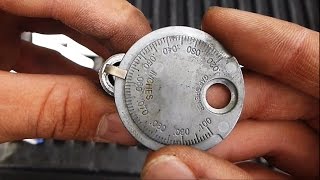
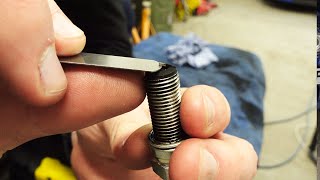
- Always check and adjust the spark plug gap to 1.0mm-1.1mm before installation.
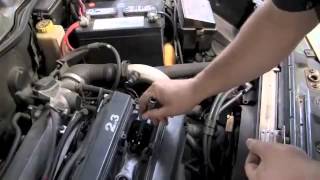
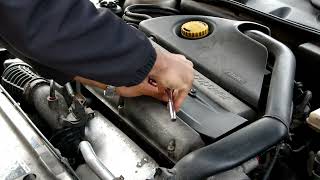
- Replacing spark plugs is a simple DIY job that can prevent expensive DIC failure.
Understanding Spark Plug Failure

When spark plugs wear out, they can cause noticeable problems with your Saab 9-5. The electrodes on the plug wear down over time, creating a wider gap that the spark has to jump. This requires more energy and can lead to a weak or inconsistent spark. Because the 9-5's engine management system is so precise, even small issues with spark can cause big problems.
The Direct Ignition Cassette (DIC) is Sensitive
The single most important thing to understand when servicing your 9-5's ignition system is the relationship between the spark plugs and the Direct Ignition Cassette (DIC). The DIC is not just a set of coil packs; it's a sophisticated computer that uses the spark plugs as sensors to detect engine knock. Using non-resistor plugs or plugs with an incorrect heat range or gap can send improper signals back to the DIC, causing it to misinterpret engine conditions. This can lead to poor performance, misfires, and ultimately, the failure of the expensive DIC unit. Saab enthusiasts and mechanics overwhelmingly agree: using the wrong plugs is a costly mistake.
Choosing the Right Aftermarket Spark Plug

While many brands are available, not all are suitable for your Saab 9-5. The consensus among Saab owners is that sticking to the Original Equipment (OE) manufacturer is the safest and most reliable choice.
Tier 1: Highly Recommended (OE Choice)
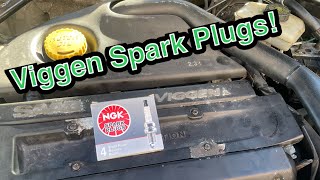
- NGK: This is the original equipment brand for Saab. For the 4-cylinder turbo engines (B235) found in most 1999-2004 9-5s, the NGK PFR6H-10 (platinum) is the standard recommended plug for longevity. The NGK BCPR7ES-11 (copper) is a popular, less expensive alternative, but it requires more frequent changes (every 10,000-15,000 miles). Many owners of tuned or high-performance Aeros prefer the slightly colder BCPR7ES-11. For the less common 3.0L V6 engine, the recommended plug is the NGK BKR7ES-11. Always use resistor-type NGK plugs.
Tier 2: Use With Caution
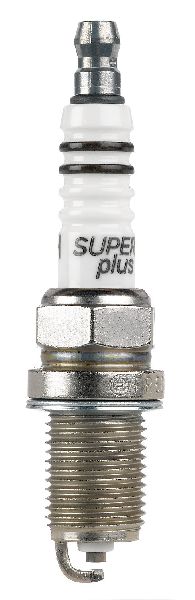
- Bosch: Some owners have used specific Bosch platinum plugs with success, but the results are not as universally positive as with NGK. If you choose Bosch, ensure it is a direct cross-reference to the recommended NGK plug and is a resistor-type plug.
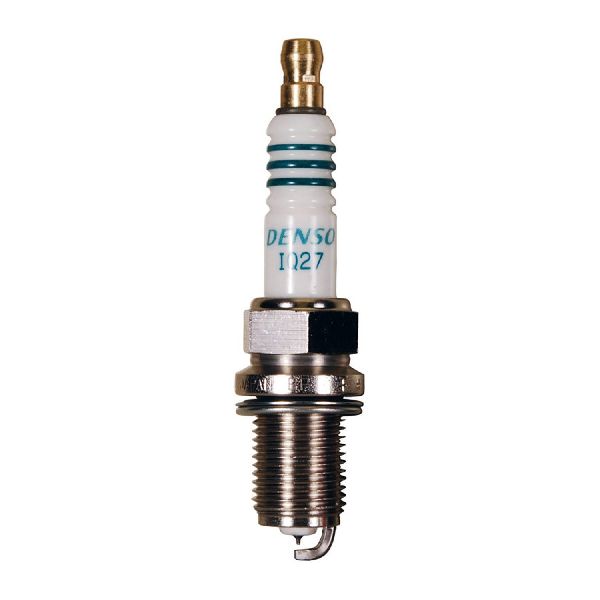
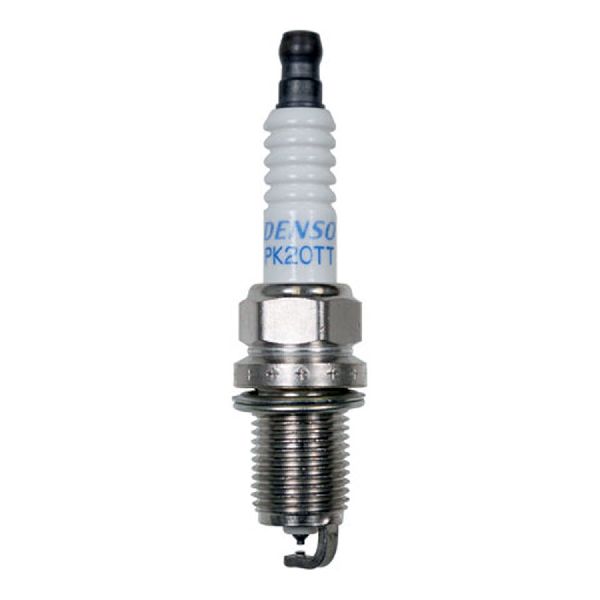
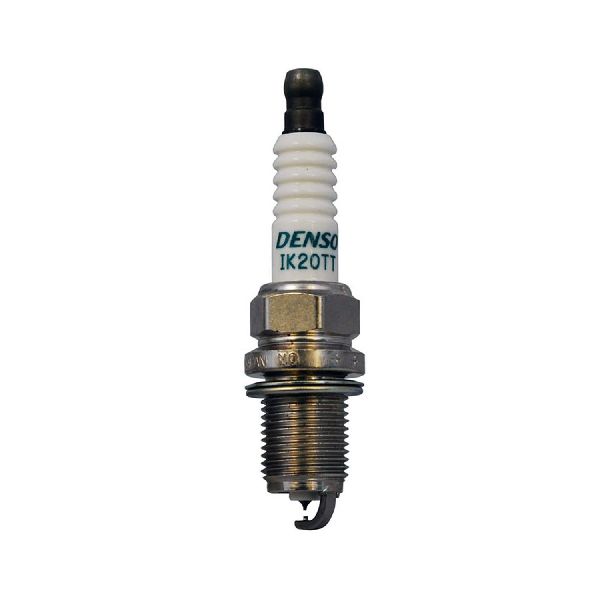
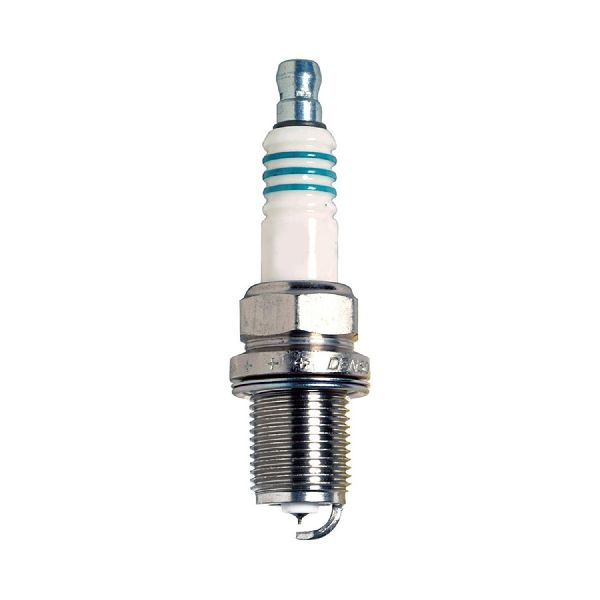
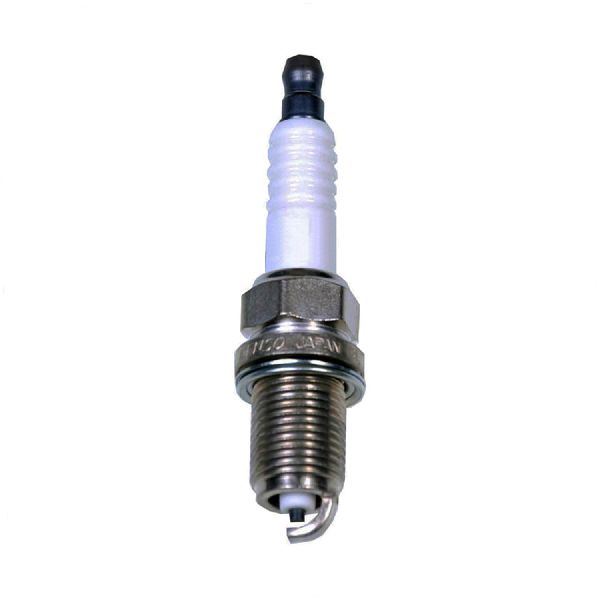
- Denso: Denso Iridium plugs are sometimes used as an upgrade, but you must match the heat range and specifications very carefully. Given the sensitivity of the DIC, this is often a choice for experienced owners who understand the specific requirements.
Tier 3: Not Recommended
- Autolite, Champion, Skyward, MSD: While these brands may offer plugs that physically fit, they are generally not recommended for the Saab 9-5. The risk of causing issues with the Direct Ignition Cassette is too high. Sticking with the proven NGK plugs is the best way to ensure reliability and avoid expensive repairs.
| Brand/Type | Typical Price Range |
|---|---|
| NGK (Copper - BCPR7ES-11) | $3.72 - $6.00 |
| NGK (Platinum - PFR6H-10) | $9.34 - $21.22 |
| Bosch / Denso (Equivalent) | $5.00 - $15.00 |
Frequently Asked Questions

Why is the NGK brand so important for my Saab 9-5?
The Saab Trionic engine management system uses a unique Direct Ignition Cassette (DIC) that relies on specific resistor-type spark plugs to function correctly. NGK was the original equipment supplier, and the system was designed and calibrated using their plugs. Using other brands can lead to misfires, poor performance, and damage to the DIC.
What is the correct spark plug gap for a 1999-2004 Saab 9-5?
The correct spark plug gap is generally between 1.0mm and 1.1mm (0.039" - 0.043"). Even if plugs are sold as "pre-gapped," it is critical to check the gap with a feeler gauge before installation and adjust if necessary. An incorrect gap is a common cause of ignition problems.
How often should I replace the spark plugs?
For platinum plugs like the NGK PFR6H-10, the recommended interval is typically 30,000 to 50,000 miles. If you use the less expensive copper plugs like the NGK BCPR7ES-11, you should change them much more frequently, around every 10,000 to 15,000 miles.
Do I need to use anti-seize on the spark plug threads?
This is a debated topic. NGK plugs often have a special trivalent plating that provides anti-seize properties, and the manufacturer recommends installing them dry. Some mechanics still prefer a very light coat of high-temperature anti-seize. If you do use anti-seize, you should reduce the torque setting by about 10-15% to avoid over-tightening. The recommended torque for dry installation is 21 lbf-ft (28 Nm).
Are there any recalls or TSBs for Saab 9-5 spark plugs?
There are no specific recalls for the spark plugs themselves, as they are a standard maintenance item. However, there was a recall (NHTSA Campaign ID: 05V399000) for the Ignition Discharge Module (IDM), a component of the ignition system, on certain 2000-2002 models that could cause engine stalling. This highlights the importance of maintaining a healthy ignition system with the correct components.
Helpful Videos

Technical Specifications
OEM Part Numbers: 9399866 9171307 32000330 9112541
Engine Type: 2.3L 4-Cylinder Turbo (B235) or 3.0L V6 Turbo (B308) Recommended Plug (4-Cyl): NGK PFR6H-10 (Platinum) or NGK BCPR7ES-11 (Copper) Recommended Plug (V6): NGK BKR7ES-11 Gap Specification: 1.0mm - 1.1mm (0.039" - 0.043") Torque Specification: 21 lbf-ft (28 Nm)
We Have This Part in Stock

The information in this article is provided for general reference and educational purposes only. Vehicle specifications, procedures, and part compatibility can vary by production date, trim level, and region. Always consult your vehicle's factory service manual and verify part numbers before purchasing or performing repairs. Safety-critical components such as airbags, seat belts, and braking systems should be installed by a qualified professional.
- Saab 9-5: