

Toyota 4Runner Catalytic Converter Replacement Guide (1999-2004)
Everything you need to know before replacing the catalytic converter on your 3rd or 4th Gen 4Runner.
- The P0420 code is the most common sign of failure, but you must rule out bad O2 sensors and exhaust leaks first.
- Cheap aftermarket converters often fail to fix the P0420 code on 4Runners; investing in a high-quality or CARB-compliant brand is recommended.
- The job can be done DIY, but expect extremely rusted bolts that may require cutting or heat to remove.
- The 2003-2004 4th Gen models have a more complex four-converter system than the 1999-2002 3rd Gen models.
Is Your 4Runner's Catalytic Converter Failing?

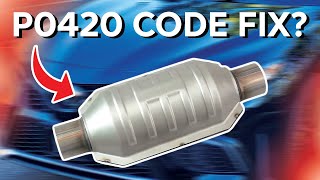
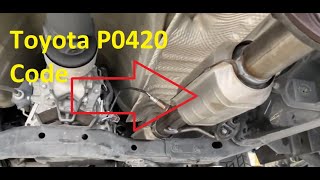
The most common sign of a failing catalytic converter in a 1999-2004 Toyota 4Runner is the Check Engine Light turning on. If you scan the code, you will likely see P0420 (Catalyst System Efficiency Below Threshold Bank 1). On V6 or V8 models, you might also see P0430 for Bank 2. This code means the oxygen sensors are detecting that the converter is no longer cleaning the exhaust effectively.
🎬 Watch: A mechanic explains common P0420 causes and fixes.Other symptoms include:
- Poor Engine Performance: You might notice your 4Runner feels sluggish or can't accelerate properly, especially on the highway. This can happen if the inside of the converter breaks apart and creates a blockage.
- Rotten Egg Smell: A strong sulfur or rotten egg smell from the exhaust is a classic sign of a converter that isn't working right.
- Rattling Noises: If the ceramic honeycomb inside the converter breaks, you may hear a rattling sound from under the vehicle.
- Failed Emissions Test: Your vehicle will not pass a smog check with a bad catalytic converter.
Don't Just Replace the Part!
A P0420 code doesn't always mean the converter is bad. It's important to rule out other issues first, or you may ruin your new converter. Always check for exhaust leaks and make sure your front and rear oxygen (O2) sensors are working correctly before replacing the converter. Engine problems like misfires or burning oil can also destroy a new converter quickly.
OEM vs. Aftermarket Converters for the 4Runner

When it's time to replace the converter, you have two main choices: original equipment (OEM) from Toyota or an aftermarket part. For the 4Runner, this is a big decision.
- OEM Toyota Converters: These are the highest quality and are guaranteed to work with your 4Runner's sensitive computer system. However, they are extremely expensive, often costing over $1,300 for a single part.
- Aftermarket Converters: These are much more affordable. The challenge is that many cheaper aftermarket converters don't have enough of the precious metals needed to satisfy the 4Runner's computer. This can cause the dreaded P0420 code to come back even after you've installed a new part.
Choosing the Right Aftermarket Brand

Not all aftermarket brands are created equal. For a 1999-2004 4Runner, it's often best to invest in a higher-quality aftermarket part to avoid problems.
Tier 1: High-Quality Aftermarket (Recommended)
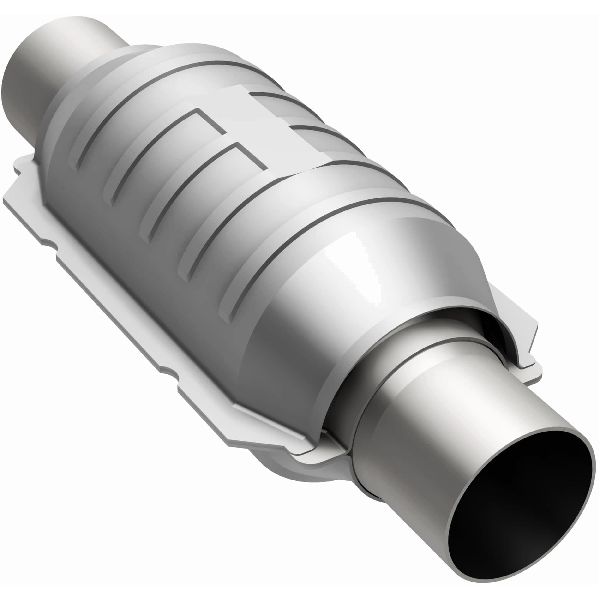
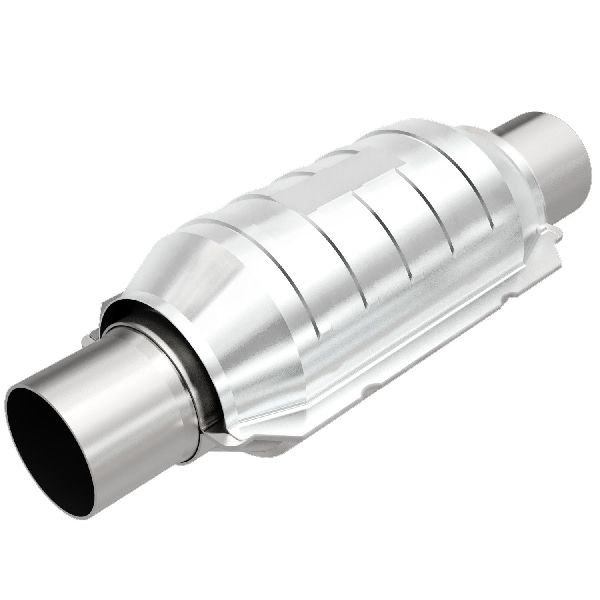
- MagnaFlow: A well-regarded brand that offers direct-fit and CARB-compliant options. They generally have a good reputation for build quality and are more likely to keep the check engine light off, though they are one of the more expensive aftermarket choices.
- Walker (CARB-Compliant Models): Walker's CalCat line is designed to meet stricter emissions standards and is a solid choice. Their standard federal converters are a budget option, but may be less effective.
Tier 2: Standard/Economy Aftermarket
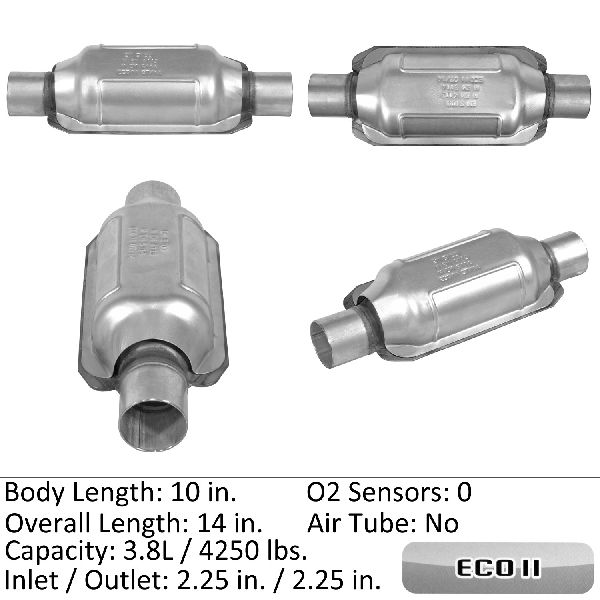
- AP Exhaust, Eastern Catalytic, Evan Fischer: These brands provide affordable, direct-fit solutions that meet federal EPA standards. They can be a good value, but be aware that on a sensitive vehicle like the 4Runner, there is a higher risk of the P0420 code returning compared to a premium or OEM part.
- Davico Converters: Often the most budget-friendly option, but some owners and mechanics have reported issues with fitment and quality control. This is a 'get what you pay for' option.
Federal vs. CARB-Compliant
If you live in California, Colorado, New York, or Maine, you MUST install a California Air Resources Board (CARB) compliant converter. Even if you don't live in a CARB state, choosing a CARB-compliant converter can be a smart move for your 4Runner. They are built to a higher standard with more catalyst material, making them much more likely to work correctly and prevent the P0420 code from returning.
Generation Differences (1999-2004)

This year range covers two different 4Runner generations with different exhaust setups.
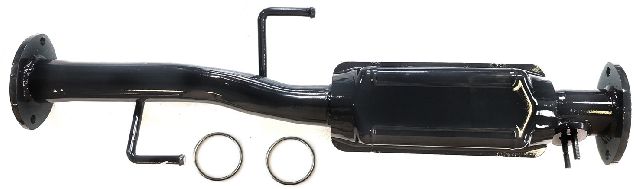
- 1999-2002 (3rd Gen): These models with the 3.4L V6 or 2.7L 4-Cyl often have a simpler system. Federal emissions vehicles may have one or two converters, while California emissions models have a two-converter setup.
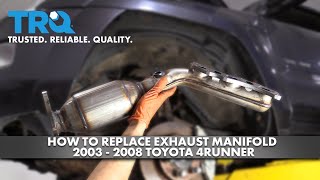
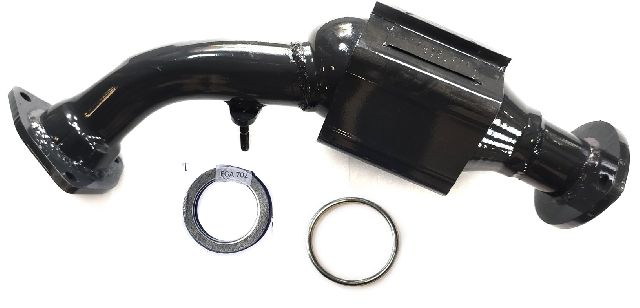
- 2003-2004 (4th Gen): These models with the 4.0L V6 or 4.7L V8 have a more complex system, often with four catalytic converters—two integrated with the exhaust manifolds and two further downstream. A P0420 or P0430 code usually points to one of the main converters, not the manifold converters. 🎬 See this walkthrough for replacing a 4th Gen manifold converter.
| Part Type | Estimated Price Range |
|---|---|
| New OEM | $1300 - $2500+ |
| New Aftermarket | $133 - $1200 |
| Shop Labor | $150 - $400 |
Frequently Asked Questions
Do I need to replace my oxygen sensors with the catalytic converter?
It is highly recommended. Old or slow-reacting oxygen sensors can cause the computer to misdiagnose the converter. Replacing the upstream and downstream O2 sensors (with quality DENSO or OEM sensors) at the same time is a smart investment to ensure the system works correctly.
Is this a DIY job?
For a direct-fit converter, it can be. The main challenge is rust. The bolts holding the converter are often seized and may need to be heated with a torch or cut off. If you don't have experience with rusted exhaust parts, it may be best to take it to a shop. Universal converters require cutting and welding and should be left to a professional.
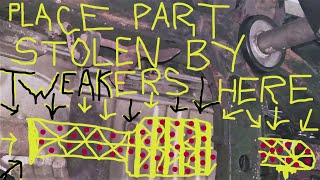
Why are 4Runner catalytic converters a target for theft?
Thieves target 4Runner converters because they are relatively easy to access and contain a high amount of valuable precious metals compared to converters on many other vehicles. This is especially true for original Toyota converters.
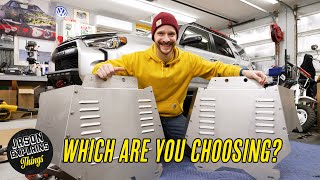
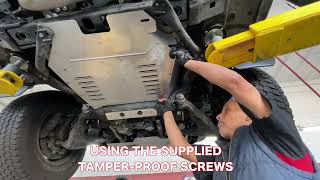
🎬 Watch: How to choose the best catalytic converter theft protection.Are there any recalls for the 1999-2004 4Runner catalytic converter?
No, there are no active safety recalls from the NHTSA for catalytic converter failure on this generation of 4Runner. Any replacement due to failure is considered a standard repair.
Helpful Videos

Technical Specifications
OEM Part Numbers: 17450-75020 17401-62050 17140-50060 17150-50050
Varies by engine (2.7L L4, 3.4L V6, 4.0L V6, 4.7L V8) and emissions type (Federal or California). Direct-fit replacements use 2-bolt or 3-bolt flanges. Universal-fit converters require welding. Construction is typically stainless or aluminized steel.
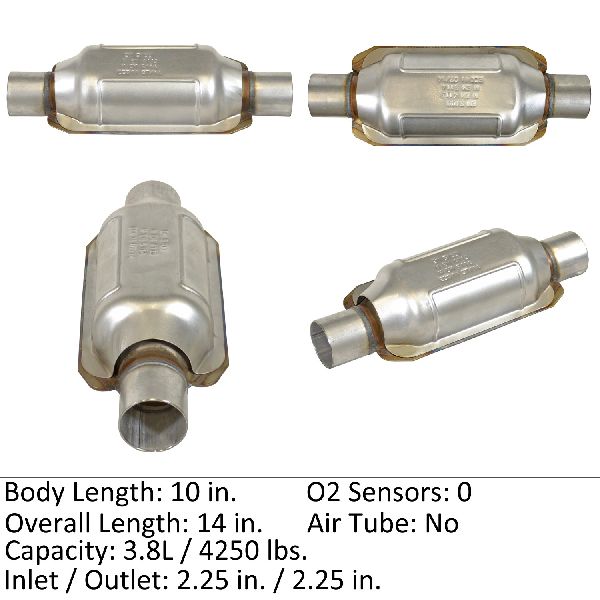
We Have This Part in Stock

The information in this article is provided for general reference and educational purposes only. Vehicle specifications, procedures, and part compatibility can vary by production date, trim level, and region. Always consult your vehicle's factory service manual and verify part numbers before purchasing or performing repairs. Safety-critical components such as airbags, seat belts, and braking systems should be installed by a qualified professional.
- Toyota 4Runner: