

A Guide to Replacing the Radiator on a 1999-2004 Volkswagen Jetta
Keep your Mk4 Jetta's engine from overheating by understanding common radiator problems and choosing the right replacement part.
- The most common failure on the stock radiator is a crack in the plastic end tanks or hose necks.
- Replacing the radiator is a good time to also replace hoses, the thermostat, and other cooling system wear items.
- An all-aluminum radiator from a brand like CSF is a durable upgrade that eliminates the plastic weak points.
- The job requires removing the front bumper and may require professional help to evacuate the A/C system.
Signs of a Failing Jetta Radiator
The original radiators on the 1999-2004 VW Jetta are known for having plastic parts that get old and brittle. When your radiator starts to fail, you'll notice a few key symptoms. Ignoring them can lead to major engine trouble.
- Coolant Leaks: This is the most common sign. You might see puddles of sweet-smelling green, pink, or yellow fluid under the front of your car. These leaks often come from cracks in the plastic end tanks or the plastic hose connections on the radiator. 🎬 Watch this guide on finding and fixing Jetta coolant leaks.
- Engine Overheating: If your temperature gauge climbs into the red, your radiator may be clogged or leaking. An overheating engine is a serious problem that needs immediate attention. 🎬 See how to test for overheating and water pump failure.
- Low Coolant Light: A warning light on your dashboard that frequently comes on, even after you've added more coolant, points to a leak in the system.
- Visible Damage: Look for white or rusty stains on the radiator itself, which are signs of dried coolant. You might also see bent fins or corrosion.
Choosing the Right Aftermarket Radiator
When replacing the radiator on your Mk4 Jetta, you have several options that range from basic replacements to performance upgrades. The original factory radiators often fail where the plastic end tanks are joined to the aluminum core. Many aftermarket options provide better durability.
Brand Quality Tiers
| Tier | Brands | Description |
|---|---|---|
| Performance / Heavy-Duty | Mishimoto, CSF | These brands often offer all-aluminum radiators that get rid of the failure-prone plastic end tanks. They provide better cooling and are much stronger, making them a great choice if you have a modified engine or simply want a long-lasting part. CSF is known for its high-quality construction and direct-fit design. |
| OEM-Quality | Nissens, Valeo, Mahle, Denso, Hella | These brands are known for making parts that are very similar to the original factory ones. A radiator from one of these brands will fit and work correctly, offering a reliable repair without the high cost of a performance model. Valeo and Hella are often original suppliers to Volkswagen. |
| Standard / Economy | Spectra, APDI, Global Parts, Onix | These radiators are a budget-friendly choice for a daily driver. They typically use the same plastic and aluminum construction as the original part and will get the job done. While quality can be a gamble, they offer a low-cost solution to get your car back on the road. |
A Note on All-Aluminum Radiators
While brands like CSF offer excellent durability, be aware that even premium parts can sometimes have manufacturing defects. One owner reported a new CSF radiator leaking shortly after installation. Always inspect a new radiator carefully before you install it.
Frequently Asked Questions (FAQ)
Do I need to replace my radiator hoses at the same time?
Yes, it is highly recommended. The radiator hoses are made of rubber and wear out over time. Since you already have the system drained and taken apart, replacing the hoses is a smart and inexpensive way to prevent future leaks.
Is an all-aluminum radiator better for my Jetta?
For durability, yes. The most common failure point on the stock Mk4 radiator is the plastic components. An all-aluminum radiator eliminates this weak spot. It also may offer slightly better cooling performance, which is beneficial for modified or hard-driven cars.
What other parts should I consider replacing with the radiator?
Mechanics call this "while you're in there" work. Besides the hoses, consider replacing the thermostat, the plastic coolant flange on the side of the engine, the water pump (if it's due), and the coolant temperature sensor. These parts are all part of the same system and are much easier to access while the front of the car is apart.
Is replacing the Jetta radiator a difficult job?
It is moderately difficult for a DIY mechanic. The job requires removing the front bumper and putting the car's front end into a "service position" to get enough room to work. It also involves draining the coolant and possibly having the A/C system discharged and recharged by a professional, as the A/C condenser is attached to the radiator.
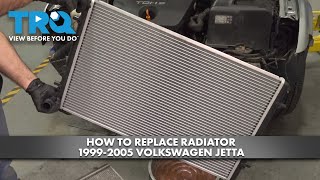
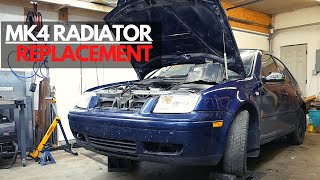
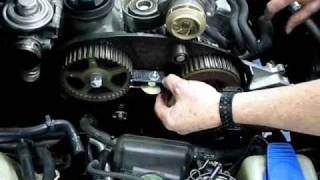
🎬 Follow this step-by-step walkthrough to replace your MK4 radiator.Helpful Videos
Technical Specifications
OEM Part Numbers: 1J0121253AP 1J0121253AD 1J0121253Q 1J0121253R 1J0121253N 1J0121253J 1J0121253H 1J0121253P
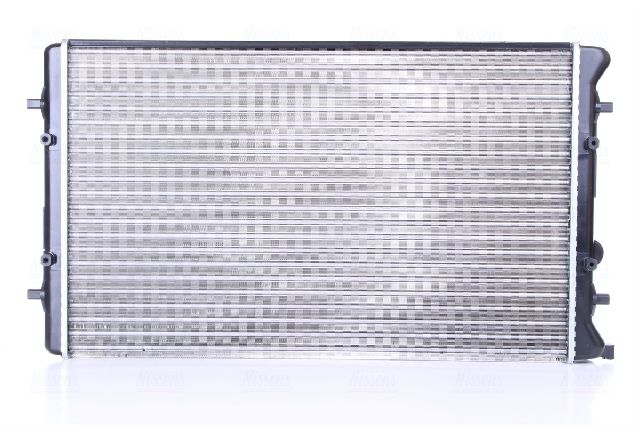
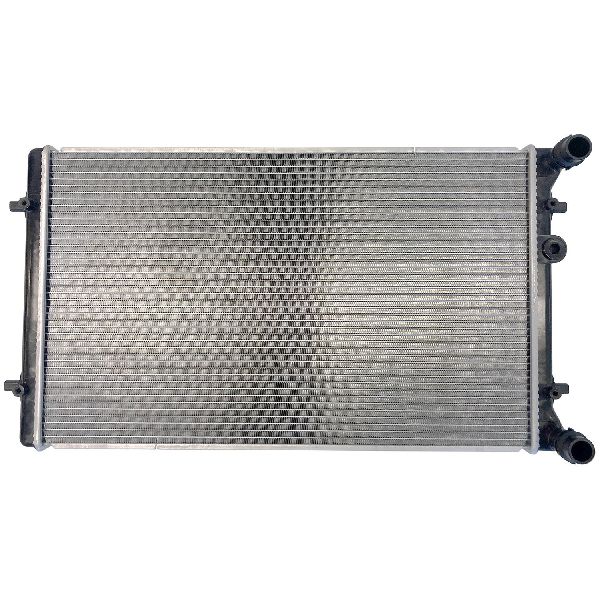
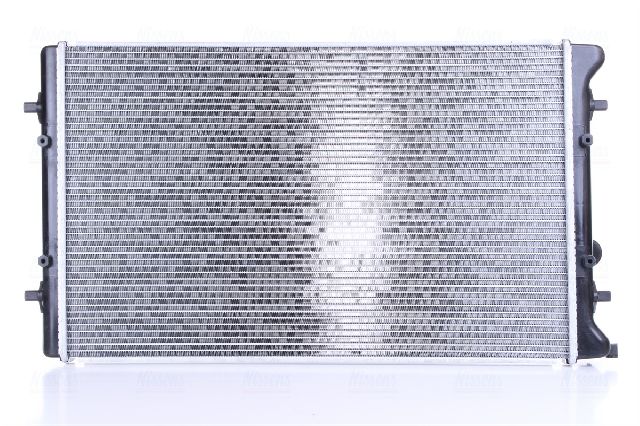
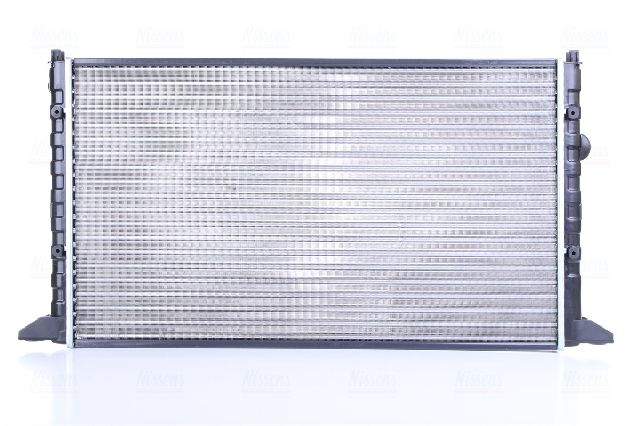
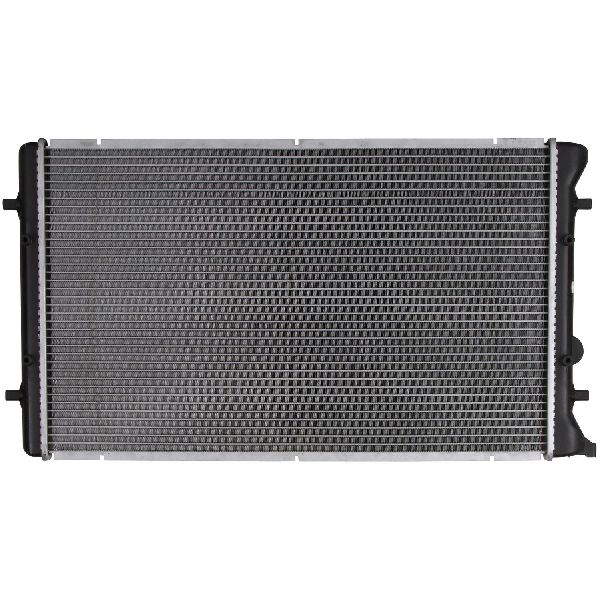
The standard radiator for the 1999-2004 Jetta features an aluminum core with plastic end tanks. Core dimensions are approximately 25.5 inches in length and 16 inches in height. Aftermarket performance options are available with full aluminum construction and dual-row cores for improved cooling.
We Have This Part in Stock


The information in this article is provided for general reference and educational purposes only. Vehicle specifications, procedures, and part compatibility can vary by production date, trim level, and region. Always consult your vehicle's factory service manual and verify part numbers before purchasing or performing repairs. Safety-critical components such as airbags, seat belts, and braking systems should be installed by a qualified professional.
- Volkswagen Jetta: