

Volvo V40 Windshield Washer Pump Replacement Guide (1999-2004)
Fix your non-spraying washers and understand the common causes of failure on your 1999-2004 Volvo V40.
- If you hear the pump motor but get no spray, suspect a clog before buying a new pump.
- Replacement is a straightforward DIY job accessed through the front passenger wheel well.
- Clean the reservoir thoroughly when replacing the pump to prevent clogs.
- Pay attention to chassis number breaks when ordering, as some parts fit up to chassis number 463683.
Is Your V40 Washer Pump Failing?
A bad windshield washer pump can fail in a couple of common ways. Diagnosing the issue correctly can save you time and money. Before assuming the pump is dead, make sure your washer fluid reservoir is full.
- Symptom 1: No sound and no spray. If you activate the washer and hear nothing from the pump, it has likely failed electrically or has a blown fuse. First, check your fuse box to ensure the fuse for the washer system is intact. If the fuse is good, the pump motor itself is the most likely culprit.
- Symptom 2: You hear the pump hum, but no fluid sprays out. This is a very common issue on Volvos. It usually means the pump is working, but the fluid isn't reaching it. The cause is often a clogged filter grommet at the base of the pump, which gets blocked by gel-like gunk or "slime" from mixing different types of washer fluid 🎬 See how to fix blocked washers and clear out system gunk or using plain water.
- Symptom 3: Leaking fluid. If you notice a puddle of blue or colored washer fluid under the front of your car, the pump's housing may have cracked or its seals have failed.
Choosing the Right Aftermarket Washer Pump
For a vehicle like the 1999-2004 V40, aftermarket parts offer significant savings over OEM parts. Quality can vary, so it's helpful to understand the brands available.
Brand Quality Tiers
- Mid-Tier (Good Balance of Quality & Price): Brands like Trico have a long history in windshield cleaning systems and are known for making reliable replacement parts that fit well. They are often considered a safe bet for a durable repair without paying for a genuine Volvo part.
- Economy Tier (Budget-Focused): Brands in this category, such as Professional Parts Sweden (PPS) and Vemo, offer the lowest prices. While PPS markets itself as a Volvo specialist, owner feedback suggests the quality can be inconsistent. Vemo is known as a budget-friendly option, and for a simple part like a washer pump, it can offer good value, with some owners reporting years of service. These brands are a good choice if your primary concern is cost, but they may carry a higher risk of premature failure compared to mid-tier options.
Estimated Part & Labor Costs
| Part Type | Part Cost | Shop Labor Cost |
|---|---|---|
| New Aftermarket | $9.12 - $45.01 | $100 - $150 |
| New OEM | $50 - $85 |
How to Replace the Washer Pump on a 1999-2004 V40
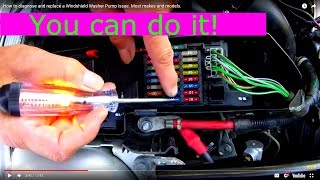
Replacing the washer pump is a manageable DIY job for most home mechanics. 🎬 Watch: A complete guide to diagnosing and replacing your pump The pump is located at the bottom of the washer fluid reservoir, which is accessed through the front passenger-side wheel well.
- Safety First: Park on a level surface and engage the parking brake.
- Access the Pump: Loosen the lug nuts on the front passenger wheel, then jack up the car and secure it with a jack stand. Remove the wheel.
- Remove the Fender Liner: Remove the screws or clips holding the plastic inner fender liner in place and pull it back to expose the washer fluid reservoir and pump. Some mechanics find it easier to remove the entire front bumper cover, which can take around 20 minutes.
- Drain the Fluid: Place a catch pan under the reservoir. Prepare for fluid to spill out as you pull the pump.
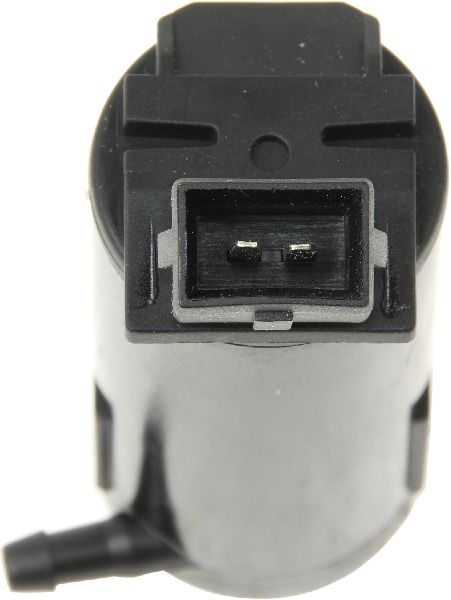
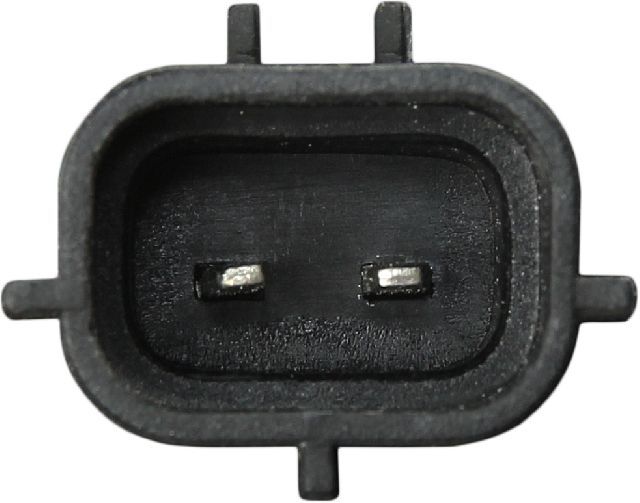
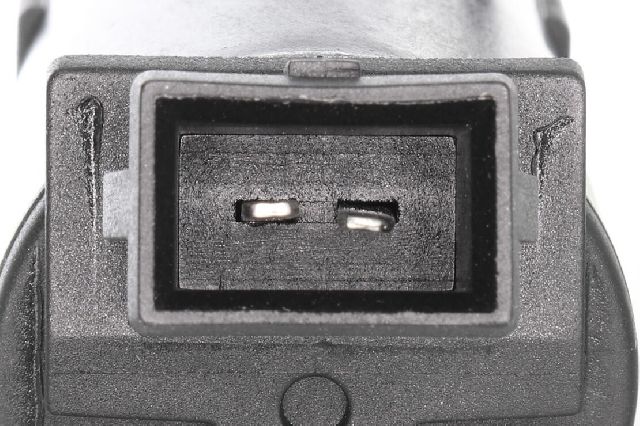
- Remove the Old Pump: Disconnect the electrical connector and the two washer fluid hoses. Note which hose goes to which port (front/rear). The pump is simply press-fit into a rubber grommet in the reservoir. Firmly pull the old pump out.
- Clean and Install: Before installing the new pump, remove the old rubber grommet/filter from the reservoir and clean the inside of the tank to remove any slime or debris. Install the new grommet, then press the new pump firmly into place.
- Reconnect: Re-attach the hoses and the electrical connector.
- Test and Reassemble: Refill the reservoir with washer fluid and test the pump's function for both front and rear washers. Once confirmed, reinstall the fender liner and wheel.
Pro Tip: When you remove the old pump, take the time to thoroughly clean the inside of the washer reservoir with hot water to remove any built-up slime. This prevents the new pump's filter from getting clogged right away. Always use a quality washer fluid and avoid mixing different brands or types.
Frequently Asked Questions
Why can I hear the motor running but no fluid sprays out?
This is the most common failure symptom and is almost always caused by a clogged filter screen at the pump's inlet. Over time, a gel-like substance forms in the reservoir from incompatible fluids or organic growth, blocking the pump. The fix is to remove the pump and clean the reservoir and the filter grommet.
Is it difficult to replace the washer pump on a V40?
No, it is considered a relatively easy DIY job. The main steps involve safely lifting the car, removing the passenger-side front wheel, and pulling back the fender liner for access. It does not typically require complex tools.
Do I have to remove the front bumper?
While some forum users state that removing the front bumper cover makes the job much easier, it is not strictly necessary. You can access the pump by removing only the wheel and fender liner.
🎬 Watch this V40 owner troubleshoot a common washer fluid problemHow do I know if the pump is bad or if it's just a fuse?
Listen for the pump's motor. If you activate the washers and hear absolutely no sound, the first step is to check the fuse. If the fuse is good but the pump is silent, the pump motor has likely failed. If you hear a humming sound, the pump has power and the issue is likely a clog.
Are there any recalls for the V40 washer pump?
No, there are no NHTSA recalls or Technical Service Bulletins (TSBs) specifically for the windshield washer pump on the 1999-2004 Volvo V40.
Helpful Videos
Technical Specifications
OEM Part Numbers: 9169611 30816114
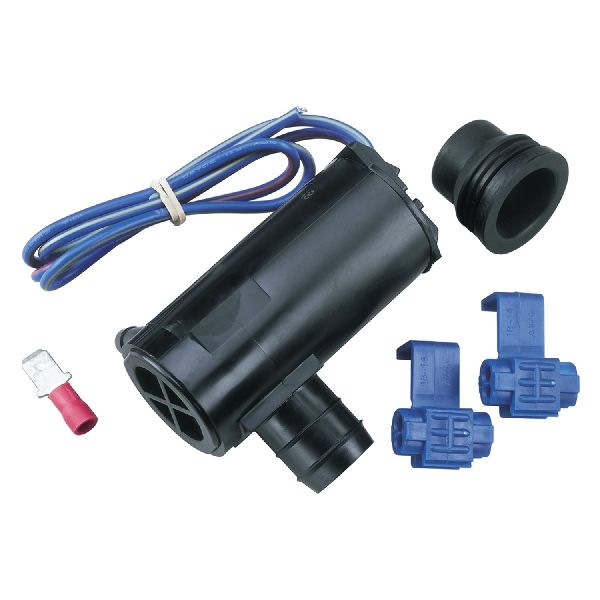
This is a dual-outlet pump that serves both the front and rear windshields. It press-fits into the washer fluid reservoir.
We Have This Part in Stock

The information in this article is provided for general reference and educational purposes only. Vehicle specifications, procedures, and part compatibility can vary by production date, trim level, and region. Always consult your vehicle's factory service manual and verify part numbers before purchasing or performing repairs. Safety-critical components such as airbags, seat belts, and braking systems should be installed by a qualified professional.
- Volvo V40: