

Your Guide to the 1999-2005 Audi A4 Manifold Absolute Pressure (MAP) Sensor
Understand, diagnose, and replace the MAP sensor on your B5 or B6 Audi A4 for restored performance and efficiency.
- On 1.8T engines, this part is often called a 'Boost Pressure Sensor' and is located on the intercooler piping, not the intake manifold.
- Symptoms include a check engine light (codes P0106, P0238), poor acceleration, rough idle, and bad fuel economy.
- Bosch is the original equipment manufacturer; choosing their aftermarket part offers OEM quality at a lower price.
- Replacement is simple for DIYers, typically requiring only a Torx screwdriver and about 30 minutes.
Understanding the MAP Sensor on Your 1999-2005 Audi A4


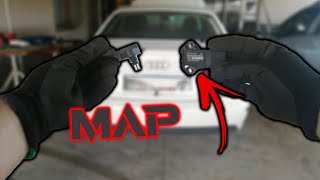
The Manifold Absolute Pressure (MAP) sensor, also known as a boost pressure sensor on 1.8T models, is a small but vital component for your A4's engine. It provides the main computer (ECU) with pressure data from the intake system. This allows the ECU to make constant adjustments to the air-fuel mixture and ignition timing for optimal power, fuel economy, and low emissions. On the 1999-2005 A4, especially the popular 1.8T models, this sensor is located on the intercooler piping, not directly on the intake manifold like in some other cars. This placement allows it to accurately measure the boost pressure created by the turbocharger.
Symptoms of a Failing MAP Sensor
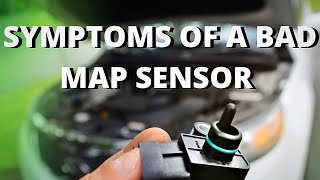
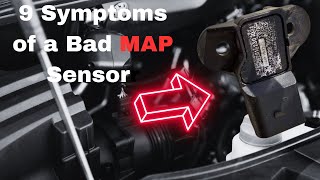
When a MAP sensor starts to fail, it sends incorrect information to the ECU, which can cause a variety of noticeable problems. 🎬 Watch: See common symptoms of a failing MAP sensor You might experience one or more of the following issues:
- Check Engine Light: This is often the first sign. Common trouble codes include P0106, P0107, P0108, and P0238.
- Poor Engine Performance: You may notice sluggish acceleration, hesitation, or a general lack of power. On 1.8T models, this can feel like the turbo isn't working at all (limp mode).
- Rough Idle: The engine may idle erratically or feel like it's about to stall.
- Reduced Fuel Economy: An incorrect air-fuel mixture caused by a bad sensor can lead to you using more gasoline than usual.
- Black Smoke from Exhaust: This indicates a rich fuel mixture, where too much fuel and not enough air are being burned. This can be caused by a faulty MAP sensor telling the ECU the pressure is higher than it actually is.
Is It the MAP Sensor or Something Else?
Symptoms like a rough idle and poor performance can also be caused by other issues, such as a vacuum leak or a faulty Mass Air Flow (MAF) sensor. It's important to properly diagnose the problem before replacing parts. Checking for stored trouble codes with an OBD2 scanner is the best first step.
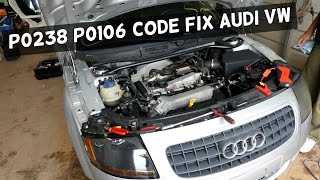
🎬 See how to fix P0238 and P0106 boost sensor codesChoosing a New Aftermarket MAP Sensor

When it comes to replacing the MAP sensor on your Audi, you have several options. While an OEM part from the dealer is available, high-quality aftermarket brands offer a reliable and more affordable alternative. Bosch is widely considered the Original Equipment Manufacturer (OEM) for many Audi parts, meaning they made the original sensor for your car. Choosing a Bosch aftermarket part is often the same as getting the dealer part without the dealer markup.
| Tier | Brands | Quality & Cost Assessment |
|---|---|---|
| Top Tier (OEM/OE Supplier) | Bosch, Delphi | Excellent quality and reliability, often the same part as the original. Bosch is the original manufacturer. Delphi is another trusted OE supplier known for durability. Highest cost among aftermarket options, but recommended for best performance. |
| Mid Tier | Vemo, Standard Ignition, Holstein | Good quality and a solid choice for a daily driver. These brands offer a balance between price and performance, providing a reliable repair without the cost of an OE part. |
| Economy Tier | Walker Products, Global Parts | The most budget-friendly options. While functional, they may not have the same long-term durability or precise calibration as higher-tier brands. Best for temporary fixes or if budget is the primary concern. |
Pro Tip: Check Your Part Number
The 1999-2005 A4 had several engine options and mid-generation updates. Always verify the OEM part number on your existing sensor before ordering a replacement. Common part numbers include 038906051C and 038906051D. This ensures you get the correct part for your specific vehicle.
Frequently Asked Questions (FAQ)
Where is the MAP sensor located on my 1999-2005 Audi A4?
On the common 1.8T engine, the MAP sensor is not on the intake manifold itself. Instead, it is located on the charge pipe coming from the intercooler, on the driver's side of the engine bay. For V6 models, it is typically found on the intake manifold near the throttle body.
Can I clean my MAP sensor instead of replacing it?
Sometimes, cleaning the sensor can resolve issues if it is contaminated with oil or dirt. You can use a dedicated electronic parts cleaner. However, if the sensor's internal electronics have failed, cleaning will not help and replacement is necessary. Given the relatively low cost of a new sensor, replacement is often the more reliable solution.
Is there a recall for the MAP sensor on the Audi A4?
A search of the National Highway Traffic Safety Administration (NHTSA) database shows no specific recalls for the Manifold Absolute Pressure sensor on the 1999-2005 Audi A4. Recalls for this model range typically involve other issues like airbags.
What tools do I need to replace the MAP sensor?
Replacement is straightforward for a DIY mechanic. You will typically need a T20 or T30 Torx bit/screwdriver to remove the two screws holding the sensor in place, and possibly a small flathead screwdriver to release the clip on the electrical connector. 🎬 Watch: Step-by-step guide to replacing your Audi MAP sensor Accessing the sensor may require moving the power steering fluid reservoir out of the way.
Helpful Videos
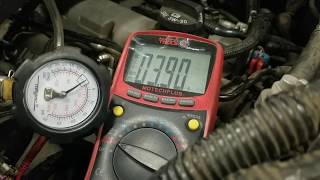
Technical Specifications
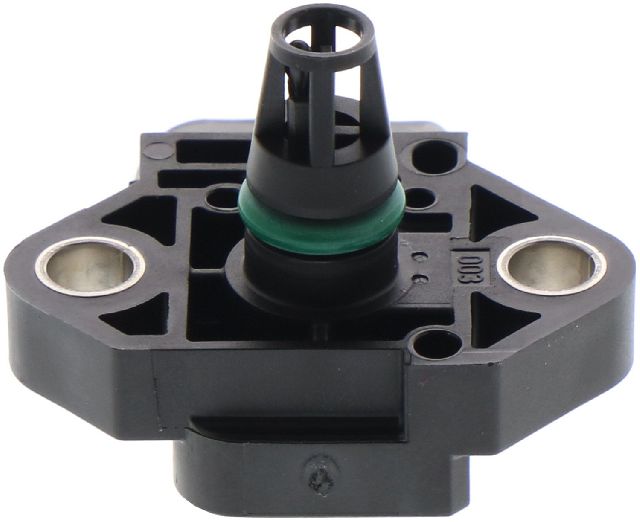
OEM Part Numbers: 038906051C 038906051D 078906051
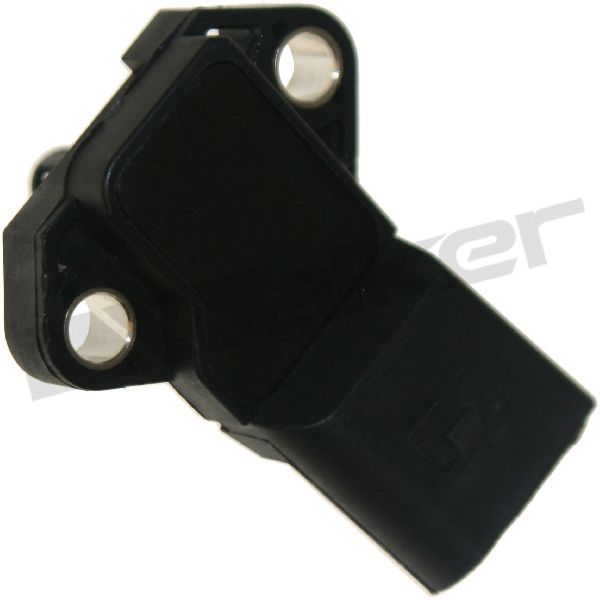
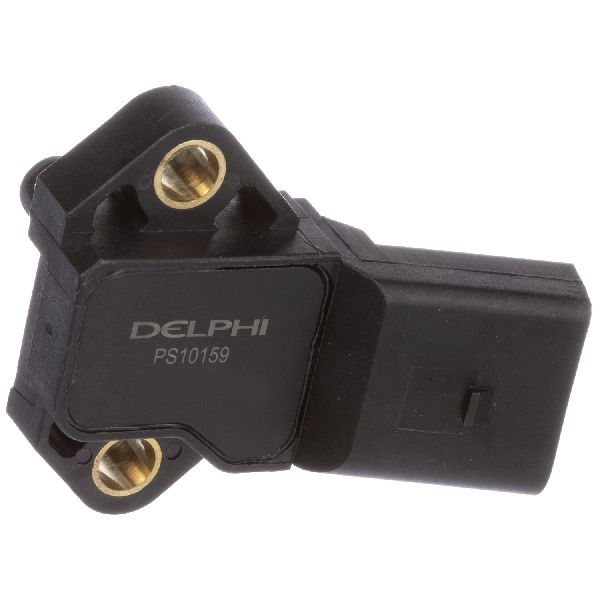
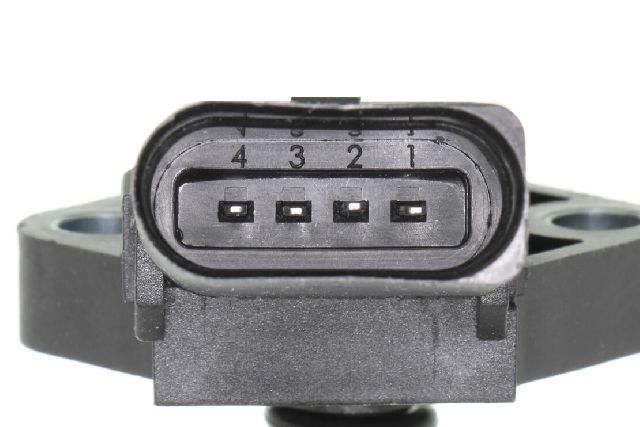
Connector: 4-pin, D-shaped. Mounting: 2-bolt. Measures intake air pressure and, in some versions, temperature.
We Have This Part in Stock


The information in this article is provided for general reference and educational purposes only. Vehicle specifications, procedures, and part compatibility can vary by production date, trim level, and region. Always consult your vehicle's factory service manual and verify part numbers before purchasing or performing repairs. Safety-critical components such as airbags, seat belts, and braking systems should be installed by a qualified professional.
- Audi A4: