

Chevrolet Silverado 1500 (1999-2005) Fuel Pump Module Assembly Guide
Everything you need to know before replacing the fuel pump module on your 1999-2005 Silverado 1500.
- A bad fuel level sender (causing a faulty gauge) is a very common failure and requires replacing the entire module.
- Lifting the truck bed is often easier than dropping the fuel tank for replacement.
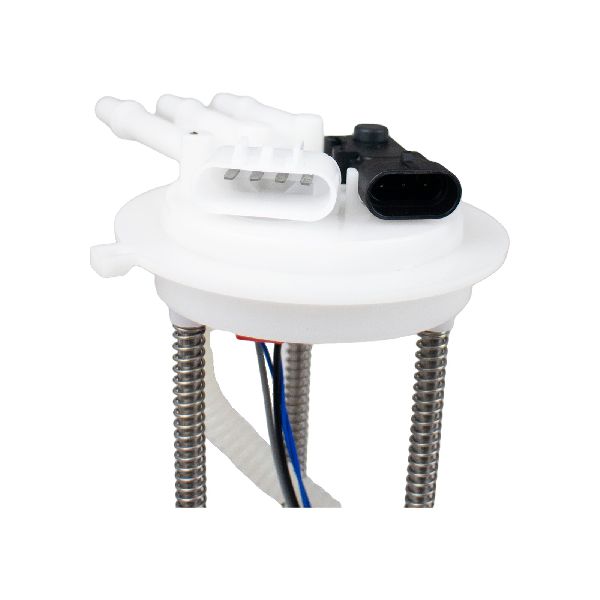
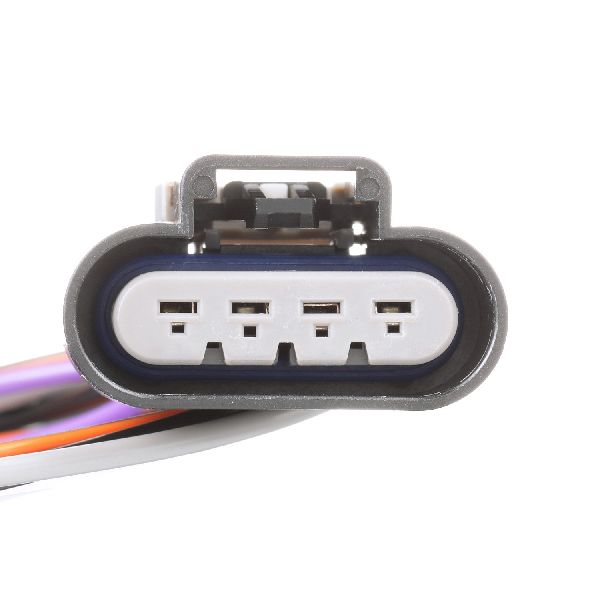
- Always inspect, and strongly consider replacing, the wiring harness connector on top of the pump module to prevent repeat failures.
- For reliability, choose an OEM-equivalent brand like Delphi or Bosch; they were the original suppliers for GM.
Is Your Silverado's Fuel Pump Failing?
A failing fuel pump in a 1999-2005 Silverado can cause a range of problems, from annoying to leaving you stranded. The most common issues are the pump motor wearing out or the fuel level sensor failing. An erratic or non-working fuel gauge is a classic sign the sending unit, which is part of the module, has gone bad. Another frequent problem is a loud whining noise from the fuel tank area, indicating the pump is working too hard and about to fail.
Known Issues for 1999-2005 Silverado
While no major recalls exist for the fuel pump itself on these models, a few common problems are well-known to mechanics and owners. The fuel level sensor (sending unit) is notorious for failing, causing the gas gauge to read empty or fluctuate wildly. Additionally, the wiring harness connector on top of the module can corrode or melt from the high electrical current the pump draws, especially as it ages. This can mimic a dead pump, so it's always wise to inspect the connector. A bad ground wire on the frame is another potential culprit that can cause the pump to stop working.
Choosing the Right Aftermarket Fuel Pump Module
When your original pump fails, you have many aftermarket options. They generally fall into three tiers.
| Brand Tier | Brands | Quality & Performance Assessment |
|---|---|---|
| Premium (OEM-Equivalent) | Delphi, Bosch | Delphi was the Original Equipment (OE) supplier for many GM vehicles of this era, making their aftermarket part essentially identical to the factory original. Bosch is another top-tier OE manufacturer known for high-quality, reliable pumps. Choosing either of these brands gives you the best chance of a long-lasting, trouble-free repair. |
| Quality Aftermarket | Spectra, Carter, GMB, Holley | Spectra is a well-regarded aftermarket brand that offers a good balance of quality and price. Carter and GMB also have a long history of producing reliable fuel system components. Holley is better known for performance applications but offers quality stock replacements as well. These brands are a solid choice for a dependable repair without the premium price tag. |
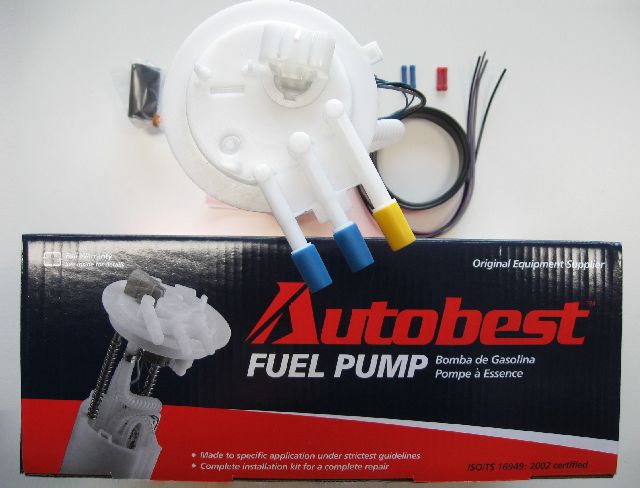
| Economy | AutoBest, Dorman, URO Parts, US Motor Works, Skyward | These brands focus on providing the most affordable options. Dorman is known for providing replacement parts, but quality can be inconsistent. The other brands in this tier are budget-focused. While they can get your truck running again, their long-term durability can be a gamble compared to the higher-tiered brands. |
Installation: Dropping the Tank vs. Lifting the Bed
Replacing the fuel pump module requires accessing the top of the fuel tank. You have two main options:
- Drop the Fuel Tank: This is the traditional method. It involves disconnecting the filler neck, straps, and lines before lowering the tank. This can be difficult, especially if the tank is full of fuel.
- Lift the Truck Bed: For many, this is the easier way. By removing the bed bolts and disconnecting the filler neck and taillight wiring, you can tilt or slide the bed back to get direct access to the fuel pump. This avoids the hassle and danger of handling a heavy, fuel-laden tank.
Frequently Asked Questions
My gas gauge is wrong but the truck runs fine. Do I need a whole new module?
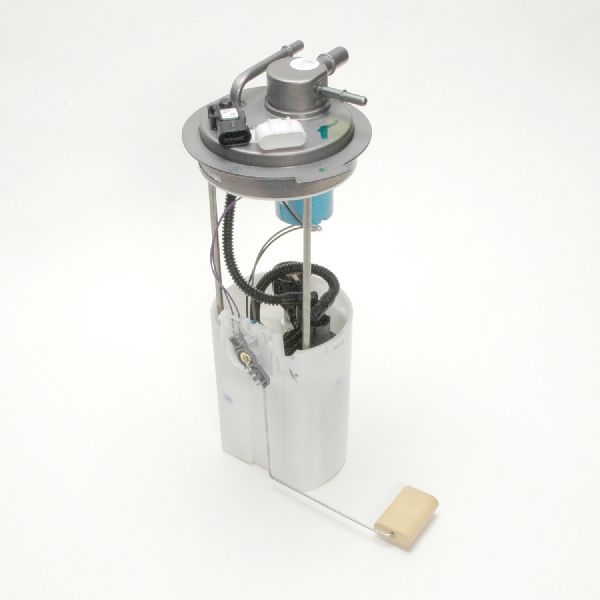
Yes. The fuel level sending unit that controls the gauge is integrated into the fuel pump module assembly. To fix the gauge, the entire module must be replaced.
Do I have to drop the fuel tank to replace the pump?
No, it's not the only way. Many owners and mechanics find it easier to unbolt and lift the truck's bed for direct access to the top of the fuel tank. This avoids the danger and difficulty of lowering a heavy tank that may contain fuel.
Should I replace the wiring harness connector with the pump?
It is highly recommended. The original connector is a known weak point and can melt or corrode, causing the new pump to fail or not work at all. Many quality aftermarket pump kits include an updated connector and wiring pigtail for this reason.
How do I know if it's the fuel pump or just a clogged filter?
A clogged fuel filter can cause similar symptoms like hesitation and power loss. However, a complete no-start or a loud whine from the tank points more directly to the pump. The best way to be sure is to test the fuel pressure at the fuel rail. Pressure for these trucks should be between 55-62 PSI. If it's low, the pump is the likely cause.
Technical Specifications
OEM Part Numbers: 19121626 19153711 19177272 25176865 25345026 25348344 88965373 MU1613 MU1516 MU1005
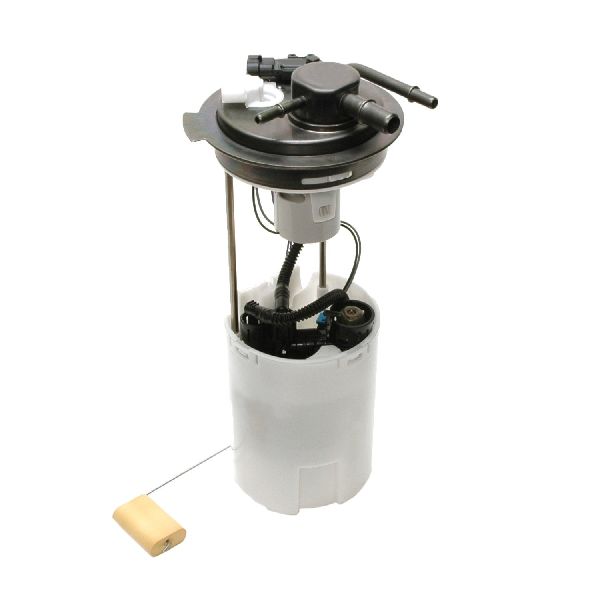
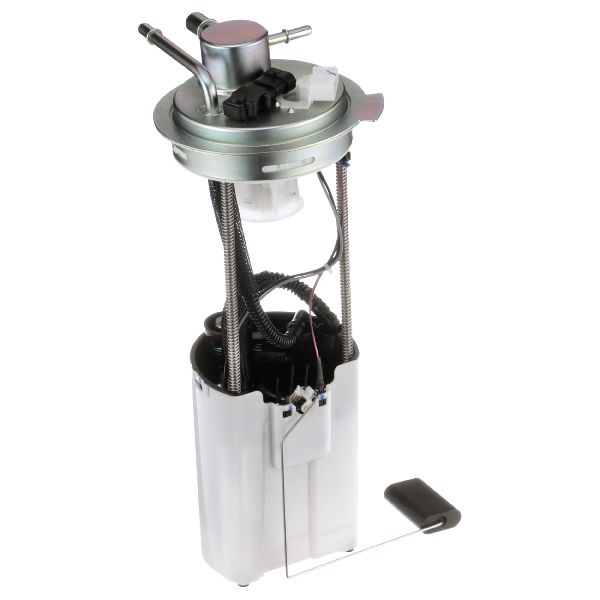
Required Fuel Pressure: 55-62 PSI. The assembly is a complete in-tank module including the pump, sending unit, strainer, and float. Some models have one electrical connector while others have two; verify your specific configuration before ordering.
We Have This Part in Stock

The information in this article is provided for general reference and educational purposes only. Vehicle specifications, procedures, and part compatibility can vary by production date, trim level, and region. Always consult your vehicle's factory service manual and verify part numbers before purchasing or performing repairs. Safety-critical components such as airbags, seat belts, and braking systems should be installed by a qualified professional.
- Chevrolet Silverado 1500: