

A Guide to Replacing the Alternator on Your 1999-2005 Ford F53 Motorhome
Keep your motorhome's chassis and house batteries charged and ready for the road with the right alternator.
- The F53 is a motorhome chassis with high electrical demands; a failing alternator affects both the engine and house systems.
- Symptoms include dimming lights, a battery warning on the dash, whining noises, and batteries that won't stay charged.
- Check if your vehicle is part of the critical cruise control fire hazard recall (NHTSA 05S28).
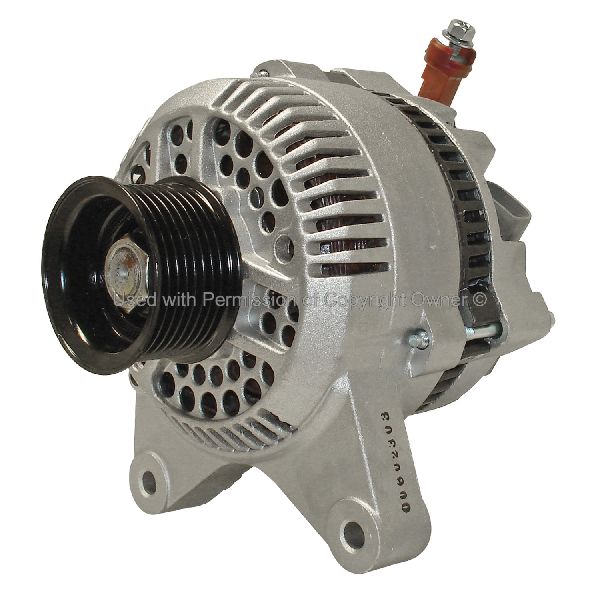
- For RV use, choosing a new aftermarket alternator, possibly with a higher amperage output than stock, is a reliable and cost-effective choice.
Is Your F53 Alternator Failing?
An alternator failure in a motorhome can leave you stranded and without power for essential coach functions. Watch for these common warning signs before you get stuck on the side of the road.
Common Symptoms of a Bad Alternator:
- Battery Warning Light: A light shaped like a battery or with the letters "ALT" or "GEN" on your dashboard is the most direct indicator of a charging system problem.
- Dim or Flickering Lights: You may notice the headlights, dashboard lights, or interior coach lights dimming, especially at idle, and then brightening as you accelerate.
- Weak or Dead Batteries: If you frequently need to jump-start your engine or find your house batteries are not staying charged after a drive, the alternator is a likely culprit.
- Strange Noises: A grinding or whining sound from the front of the engine can be caused by worn-out bearings inside the alternator.
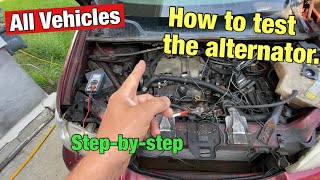
- Electrical Problems: Power windows that are slow to operate, a radio that cuts out, or other strange behavior from electrical accessories can point to insufficient power from the alternator. 🎬 Watch: This step-by-step guide shows you how to test an alternator.
- Burning Smell: A smell like burning rubber or hot wires can indicate an overworked alternator or a slipping drive belt.
CRITICAL SAFETY RECALL: Cruise Control Fire Hazard
Many 1999-2005 Ford F53 chassis are part of a massive recall for a faulty cruise control deactivation switch. This switch can leak and short out, potentially causing a fire even when the vehicle is parked and turned off. Check with a Ford dealer or use your VIN on the NHTSA website to see if your vehicle is affected and if the recall work—which involves installing a fused wiring harness—has been performed.
Choosing the Right Aftermarket Alternator
When replacing the alternator on your F53, you have a choice between OEM and aftermarket parts. While OEM (Motorcraft) parts offer a guaranteed fit and quality, a high-quality new aftermarket part can provide excellent performance and value.
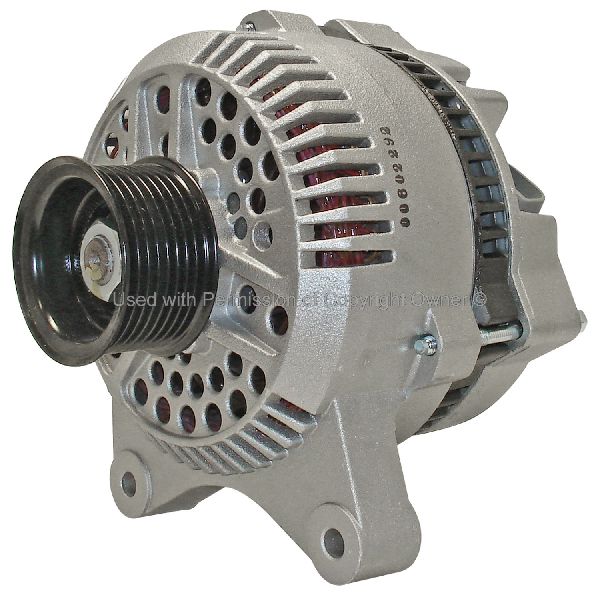
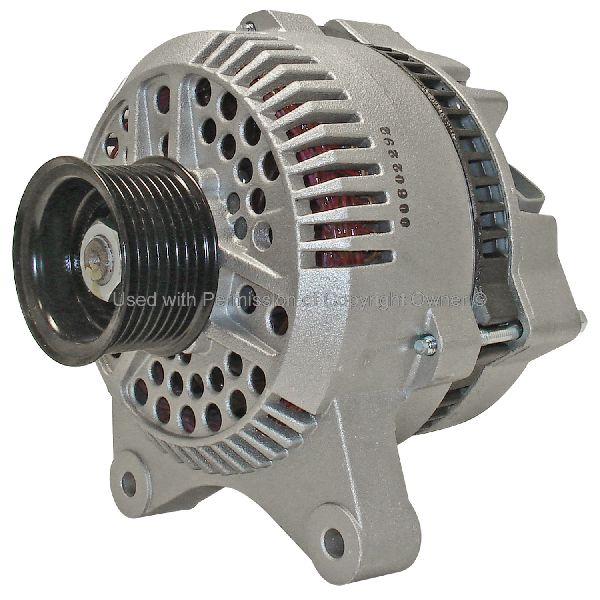
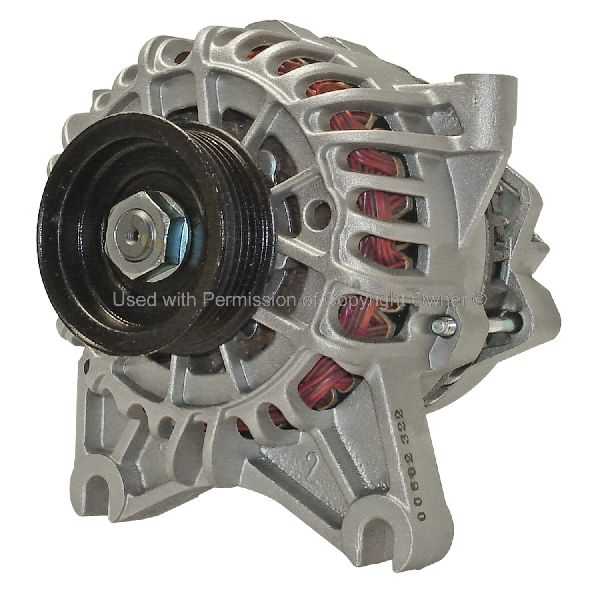
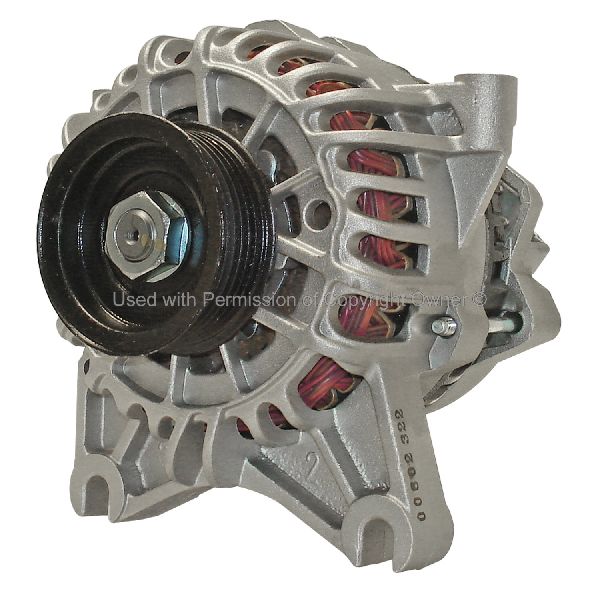
For a motorhome with high electrical demands, choosing a new unit over a remanufactured one is often a wise investment for long-term reliability. Brands like MPA (Motorcar Parts of America) produce new alternators engineered to meet or exceed original equipment specifications. These parts undergo testing to ensure they perform correctly out of the box.
Consider an Amperage Upgrade
The original alternator on many 1999-2005 F53s was rated around 95 amps. If you have added electrical accessories or simply want more robust charging for your house batteries, upgrading to a higher-output alternator (e.g., 130 amps or more) is a popular choice. This provides more power at idle and ensures all systems get the electricity they need. If you choose a significantly higher-output unit, you may also need to upgrade the main charging wires.
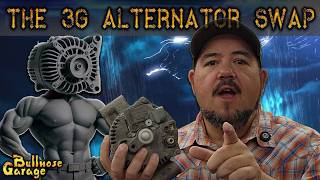
🎬 Watch: How to perform a high-output alternator swap for more power.Cost of a New Ford F53 Alternator (1999-2005)
| Part Type | Estimated Part Cost | Notes |
|---|---|---|
| New Aftermarket | $94.22 - $209.69 | Good balance of quality and value. Often includes upgrades over the original design. |
| New OEM (Motorcraft) | $210 - $400+ | Highest cost, but matches the original part exactly. |
| Remanufactured Aftermarket | $100 - $180 | A budget option, but quality can be inconsistent compared to new units. |
| Shop Labor | $120 - $250 | Typically 1-1.5 hours of labor at a repair shop. |
Frequently Asked Questions (FAQ)
Can I replace the alternator on my F53 myself?
Yes, this is a feasible DIY job for someone with basic tools and mechanical experience. The alternator is usually accessible from the front of the engine. The process involves disconnecting the battery, releasing the serpentine belt tension, removing a few bolts and electrical connectors, and swapping the part.
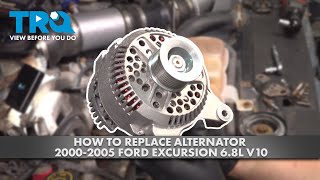
🎬 See this walkthrough for removing and replacing a Ford V10 alternator.Do I need a high-output alternator for my RV?
While not strictly required, a high-output alternator is highly recommended for a motorhome. It will charge your chassis and house batteries more effectively, especially at idle, and better support the combined electrical load of the vehicle and coach accessories. An owner on an online forum upgraded from a 90-amp to a 130-amp unit as preventative maintenance.
My engine battery is charged, but my house batteries are dead. Is it the alternator?
It could be, but not necessarily. Motorhomes use a device called a battery isolator or relay to charge the house batteries from the alternator. Sometimes this component fails, preventing charge from reaching the house batteries even if the alternator is working perfectly. You should test for voltage at the house battery terminals while the engine is running to diagnose the issue.
Is a new aftermarket alternator better than a remanufactured one?
For a critical component on a motorhome, a new part is generally the safer bet. New alternators use all-new components and often incorporate design improvements. While quality remanufactured parts exist, the lower cost can sometimes come with a risk of inconsistent quality or shorter lifespan. Given the small price difference, many owners opt for new.
Helpful Videos


Technical Specifications
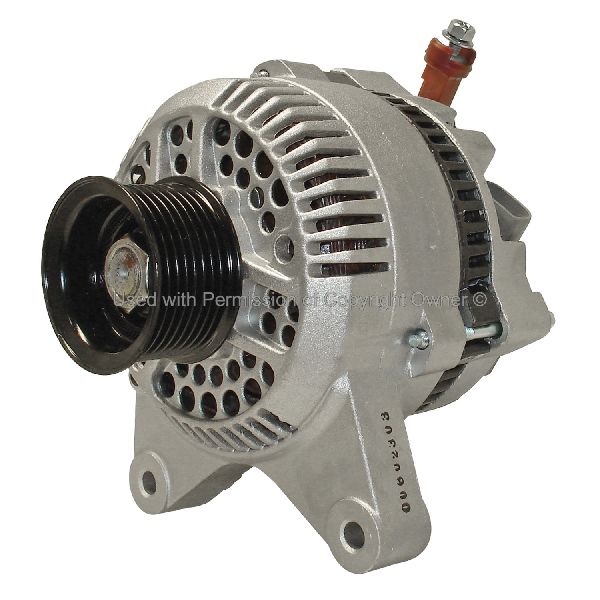
OEM Part Numbers: 2C2U-10300-BB 6C3Z-10346-AA 9C3Z-10346-B 5C3Z-10346-AA
Voltage: 12V, Amperage: 95A (standard), 110A, 130A, or 135A available as upgrades. Pulley: 6-Groove, Rotation: Clockwise.
We Have This Part in Stock

The information in this article is provided for general reference and educational purposes only. Vehicle specifications, procedures, and part compatibility can vary by production date, trim level, and region. Always consult your vehicle's factory service manual and verify part numbers before purchasing or performing repairs. Safety-critical components such as airbags, seat belts, and braking systems should be installed by a qualified professional.
- Ford F53:
- 🎬 Helpful Videos
- 🛍️ Shop This Part
- Is Your F53 Alternator Failing?
- Common Symptoms of a Bad Alternator:
- CRITICAL SAFETY RECALL: Cruise Control Fire Hazard
- Choosing the Right Aftermarket Alternator
- Consider an Amperage Upgrade
- Cost of a New Ford F53 Alternator (1999-2005)
- Frequently Asked Questions (FAQ)
- 🎟️ Get 5% Off