

Ford Thunderbird Engine Camshaft Position Sensor Guide (1999-2005)
Experiencing stalling or a no-start condition in your Thunderbird? A faulty camshaft position sensor could be the culprit.
- Your Thunderbird has two camshaft position sensors; one on each valve cover.
- Symptoms include stalling, no-start, rough idle, and a check engine light with codes P0340 or P0345.
- For critical electronics, use high-quality aftermarket brands like Delphi or Standard Motor Products' premium line to ensure reliability.
- Before replacement, check for oil leaks from the valve cover gaskets, as this is a common cause of sensor failure.
Is a Failing Camshaft Position Sensor a Serious Problem?
Yes, a failing camshaft position sensor is a serious issue. While the car may still run for a while, symptoms often get worse. The most significant risk is the engine stalling unexpectedly while driving, which can lead to a loss of power steering and increase the risk of an accident. Ignoring the problem can also lead to a no-start condition, leaving you stranded. Continuing to drive with a bad sensor can cause poor fuel economy and potentially damage other engine components over time.
Can I Drive My Thunderbird With a Bad Camshaft Sensor?
It is not recommended. A faulty sensor can cause the engine to stall at any time, which is a major safety hazard. It's best to get the vehicle inspected and repaired as soon as symptoms appear to avoid being stranded or causing further engine issues.
Symptoms of a Bad Camshaft Position Sensor in a Thunderbird
A failing camshaft position sensor can cause a variety of confusing problems that might seem related to other parts like the battery or fuel pump. Here are the most common signs specific to the 1999-2005 Thunderbird:
- Check Engine Light: This is often the first sign. A scan tool will typically show codes P0340 (Camshaft Position Sensor 'A' Circuit - Bank 1) or P0345 (Camshaft Position Sensor 'A' Circuit - Bank 2).
- Engine Stalling: The engine may shut off unexpectedly while idling at a stoplight or, more dangerously, while driving.
- Hard Starting or No Start: The engine may crank for a long time before starting, or it may not start at all. This happens because the engine's computer doesn't have the correct information to initiate spark and fuel.
- Rough Idle and Misfires: The engine may shake or vibrate at idle because the timing is off, causing incomplete combustion.
- Poor Acceleration: The car may feel sluggish or hesitate when you press the gas pedal because the engine isn't producing power efficiently.
- Reduced Fuel Economy: When ignition and fuel timing are not optimized, the engine burns more fuel than necessary.
Choosing the Right Aftermarket Camshaft Position Sensor
For a critical part like a camshaft position sensor, quality matters. While OEM (Original Equipment Manufacturer) parts are a safe bet, several aftermarket brands offer a good balance of quality and value. General consensus among mechanics and experienced owners is to stick with reputable Tier-1 brands for electronic sensors to avoid issues.
Brand Quality Tiers
- Tier 1 (High Quality): Brands like Delphi are often original equipment suppliers to Ford and other manufacturers. They are known for their reliability and are engineered to meet or exceed OE standards. Choosing a brand like this is the closest you can get to OEM quality and is highly recommended for this part.
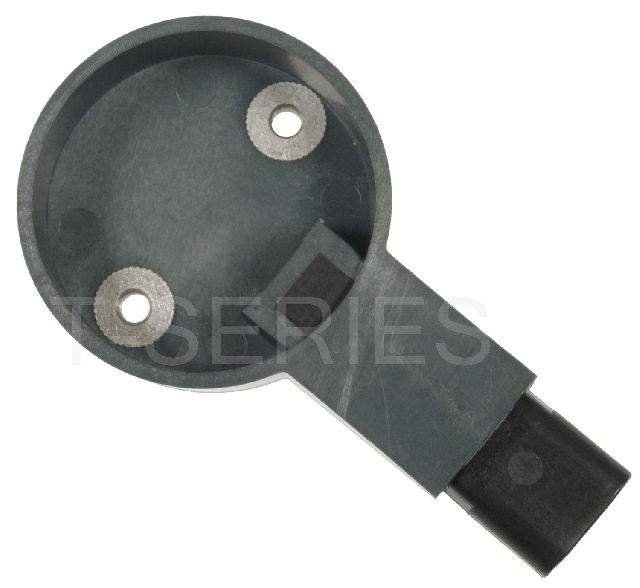
- Tier 2 (Good Quality): Brands such as Standard Motor Products (Standard Ignition) and Walker Products have a long history in the aftermarket. They generally offer good quality parts that meet OE specifications. However, be aware that some brands offer multiple product lines; for example, Standard's premium red box line is generally considered higher quality than their budget-friendly 'T-series' line, which has received mixed reviews. Spectra also markets its sensors as being rigorously tested and designed to OE requirements.
- Tier 3 (Economy): This tier includes lesser-known or store-brand parts like True Tech and Global Parts. While they are the most affordable, their long-term reliability can be inconsistent for sensitive electronics like a camshaft sensor. Using these parts may result in having to do the repair again sooner than expected.
Pro Tip: Check for Oil Leaks
The 1999-2005 Thunderbird's 3.9L V8 is known for valve cover gaskets that can leak oil over time. The camshaft position sensors are located on the valve covers. Before replacing a sensor, inspect the area for oil leaks. A leaking valve cover gasket can allow oil to seep into the sensor's connector or the sensor itself, causing it to fail prematurely. It's wise to replace leaking valve cover gaskets at the same time you replace the sensors.
| Part Type | Estimated Part Cost | Estimated Shop Labor Cost | Estimated Total Cost |
|---|---|---|---|
| New OEM (Ford/Motorcraft) | $70 - $120 per sensor | $80 - $120 per sensor | $150 - $240 per sensor |
| New Aftermarket (Tier 1) | $50 - $95 per sensor | $80 - $120 per sensor | $130 - $215 per sensor |
| New Aftermarket (Tier 2/3) | $22 - $50 per sensor | $80 - $120 per sensor | $102 - $170 per sensor |
Frequently Asked Questions (FAQ)
Where are the camshaft position sensors located on a 1999-2005 Thunderbird?
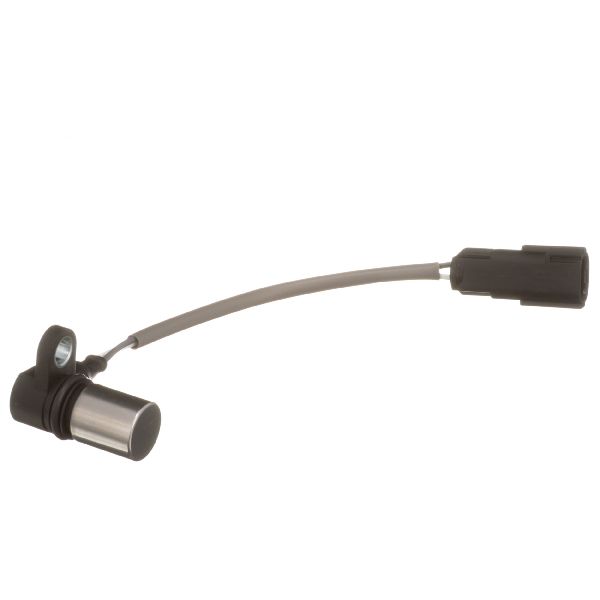
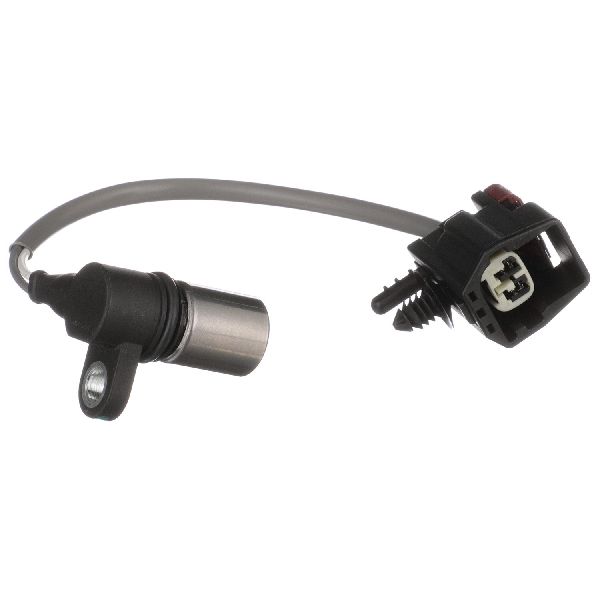
The 3.9L V8 engine in your Thunderbird has two camshaft position sensors. You will find one on the front of each valve cover, one on the driver's side (Bank 2) and one on the passenger's side (Bank 1). They are held in place by a single bolt and have an electrical connector attached.
Do I need to replace both sensors at the same time?
It is not strictly necessary, but it is often recommended. Both sensors are the same age and have been exposed to the same conditions. If one has failed, the other may not be far behind. Replacing them in pairs can save you from having to do the same repair twice.
Can a bad battery cause camshaft sensor codes?
Yes, in some cases. A weak or failing battery can cause low voltage in the electrical system, which can sometimes trigger false sensor codes, including P0340 and P0345, especially during engine cranking. Before replacing the sensors, it's always a good idea to ensure your battery and charging system are in good health.
Is this a difficult DIY repair?
For a moderately experienced DIYer, this is a feasible job. The sensors are generally accessible on the front of the engine. The main steps involve disconnecting the battery, unplugging the electrical connector, removing a single bolt, and swapping the old sensor for the new one. The passenger side sensor may be slightly more difficult to access due to component placement. Always ensure the area is clean before installing the new sensor to prevent contamination.
Technical Specifications
OEM Part Numbers: 1W6Z-6B288-AA XW4Z-6B288-BA
The 1999-2005 Ford Thunderbird with the 3.9L V8 engine uses two camshaft position sensors, one for each cylinder bank (Bank 1 and Bank 2). These are typically 2-pin or 3-pin Hall-effect sensors.
We Have This Part in Stock


The information in this article is provided for general reference and educational purposes only. Vehicle specifications, procedures, and part compatibility can vary by production date, trim level, and region. Always consult your vehicle's factory service manual and verify part numbers before purchasing or performing repairs. Safety-critical components such as airbags, seat belts, and braking systems should be installed by a qualified professional.
- Ford Thunderbird:
- 🛍️ Shop This Part
- Is a Failing Camshaft Position Sensor a Serious Problem?
- Can I Drive My Thunderbird With a Bad Camshaft Sensor?
- Symptoms of a Bad Camshaft Position Sensor in a Thunderbird
- Choosing the Right Aftermarket Camshaft Position Sensor
- Brand Quality Tiers
- Pro Tip: Check for Oil Leaks
- Frequently Asked Questions (FAQ)
- 🎟️ Get 5% Off