

Ford Thunderbird Crankshaft Position Sensor Guide (1999-2005)
Everything you need to know about diagnosing and replacing the crankshaft position sensor on your 1999-2005 Ford Thunderbird.
- A failing crankshaft sensor is a common cause for a no-start or stalling condition on the Thunderbird.
- The most common diagnostic code is P0335.
- This is a DIY-friendly repair that can be done with basic tools in under an hour.
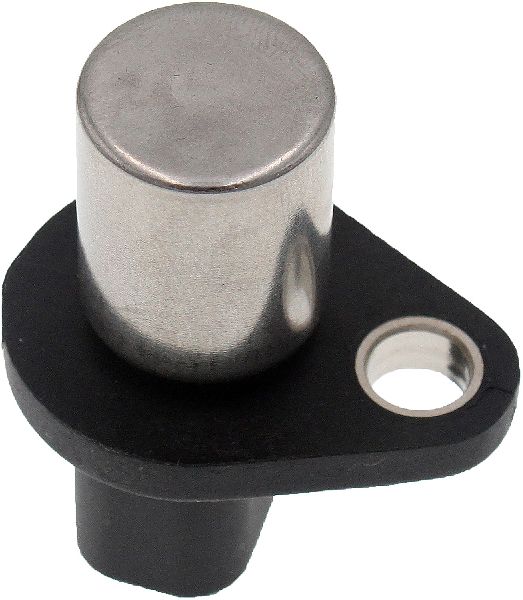
- Check if your replacement sensor includes a new O-ring; you may need to purchase one separately.
Is Your Thunderbird's Crankshaft Position Sensor Failing?
A bad crankshaft position sensor can cause problems that range from annoying to leaving you stranded. The issues often start intermittently and get worse over time. Heat from the engine can make a failing sensor act up, so you might notice problems more when the engine is hot.
Common Symptoms
- Engine Won't Start: This is the most serious symptom. The engine will crank over, but it won't fire up because the computer isn't getting the signal it needs to create spark and deliver fuel.
- Hard Starting: The engine takes longer than usual to start. It might crank for several seconds before finally catching.
- Stalling: The engine may suddenly shut off while you're driving, especially when you come to a stop or are idling. This can be dangerous.
- Rough Idle and Misfires: Your Thunderbird might idle poorly, shake, or vibrate. You may feel the engine misfire or stumble during acceleration.
- Poor Acceleration: The car may feel sluggish or weak when you press the gas pedal.
- Check Engine Light: A failing crankshaft sensor will almost always trigger the Check Engine Light. The most common trouble code is P0335 (Crankshaft Position Sensor 'A' Circuit Malfunction).
Choosing the Right Aftermarket Sensor
When it comes to sensors, quality can vary between brands. While an OEM Ford part is always an option, quality aftermarket parts can offer good performance for a lower price. Since you're replacing a critical sensor, it's best to avoid the absolute cheapest options. Here’s a general breakdown of brand quality based on owner experiences and mechanic feedback (not specific to Thunderbird):
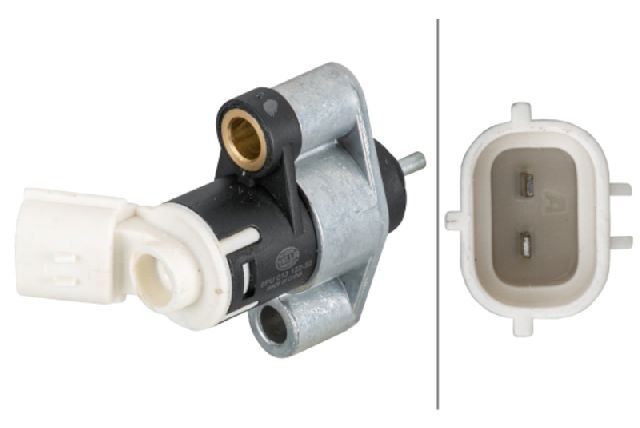
- Premium Aftermarket (e.g., Delphi, Hitachi, Hella, Standard Ignition): These brands often manufacture original parts for car companies and are generally considered to be reliable, high-quality alternatives to OEM. Delphi is a well-known OEM supplier. Hitachi is often recommended as a top choice for sensors on Japanese vehicles, indicating a reputation for quality.
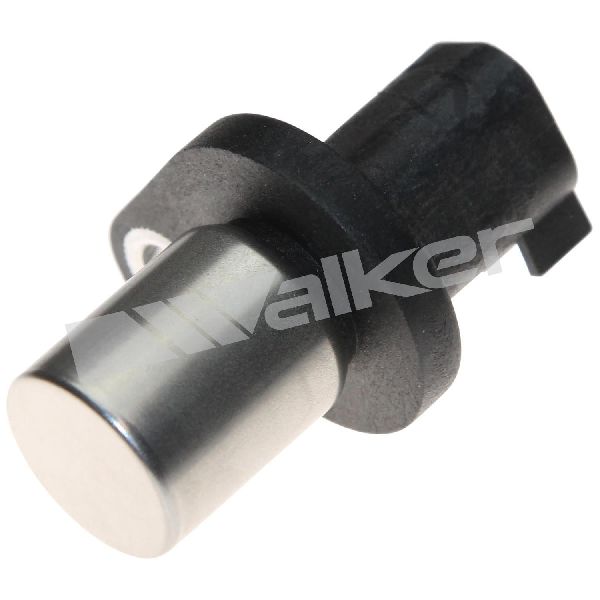
- Standard Aftermarket (e.g., Dorman, Walker Products, Spectra): These brands provide a balance of affordability and quality. They are often a good choice for a daily driver. However, some forum users consider brands like Dorman to be a lower-tier option.
- Economy Brands (e.g., Global Parts): These are typically the most budget-friendly options. While they meet the basic fit and function requirements, their long-term durability and performance might not match that of more expensive brands.
Pro Tip: A forum user with a 2004 Thunderbird reported that their new sensor did not come with an O-ring, which is shown in the service manual. Be sure to check your new part and either reuse the old O-ring if it's in good condition or purchase a new one to prevent potential oil leaks.
Cost of Replacing the Crankshaft Position Sensor
Here is an estimated breakdown of what you can expect to pay. Labor costs can vary significantly based on your location and the shop's hourly rate.
| Item | Estimated Cost |
|---|---|
| New Aftermarket Part | $24.52 - $65.86 |
| Shop Labor | $103 - $151 |
| Total Estimated Cost (Aftermarket) | $127.52 - $216.86 |
Frequently Asked Questions
Where is the crankshaft position sensor located on a 1999-2005 Thunderbird?
The crankshaft position sensor on the 3.9L V8 engine is located on the driver's side of the engine block, towards the rear, near the transmission bell housing. You will need to access it from underneath the vehicle.
Can I replace the sensor myself?
Yes, this is a DIY-feasible job for someone with basic mechanical skills and tools. It involves raising the vehicle safely, unplugging the electrical connector, and removing a single bolt. The tight location can make it a bit challenging, but it does not require extensive disassembly.
What happens if I don't replace a bad crankshaft sensor?
Ignoring a failing crankshaft sensor can lead to your vehicle stalling in traffic, which is a significant safety risk. Eventually, the sensor will fail completely, and your Thunderbird will not start at all, leaving you stranded. It can also cause damage to other components like the catalytic converter over time due to misfires.
Are there any recalls for the crankshaft position sensor on this Thunderbird?
No, there are no specific recalls or common Technical Service Bulletins (TSBs) from Ford for the crankshaft position sensor on the 1999-2005 Ford Thunderbird.
Helpful Videos
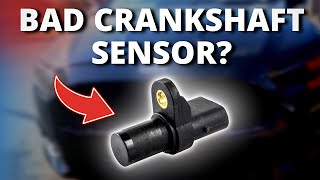

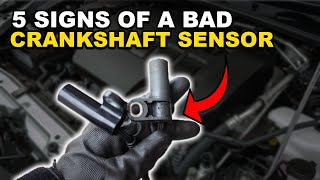

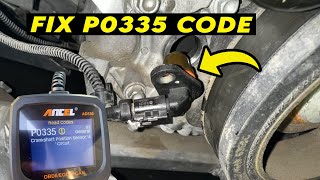

Technical Specifications
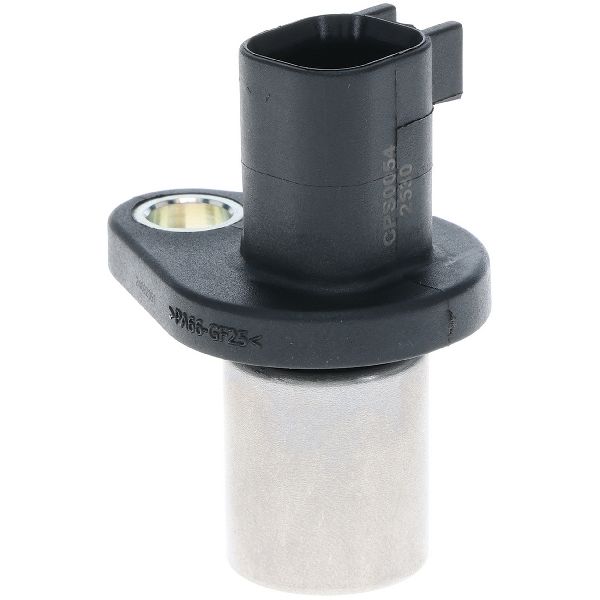
OEM Part Numbers: XW4Z-6C315-AA 1W4Z-6C315-AA
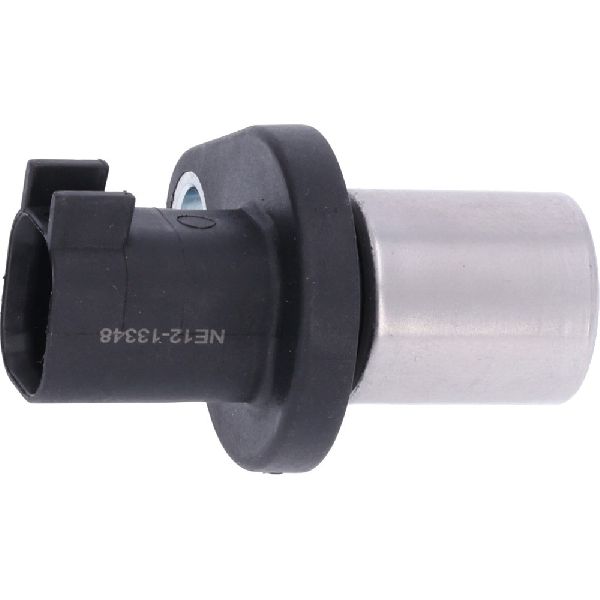
2-pin connector, Magnetic Hall Effect Sensor
We Have This Part in Stock


The information in this article is provided for general reference and educational purposes only. Vehicle specifications, procedures, and part compatibility can vary by production date, trim level, and region. Always consult your vehicle's factory service manual and verify part numbers before purchasing or performing repairs. Safety-critical components such as airbags, seat belts, and braking systems should be installed by a qualified professional.
- Ford Thunderbird: