

A Ford Thunderbird Owner's Guide to Replacing Oxygen Sensors (2002-2005)
Fix your check engine light and restore performance by choosing the right oxygen sensor for your 3.9L V8 Thunderbird.
- Your 2002-2005 Thunderbird has four oxygen sensors; identify whether you need an upstream or downstream unit before ordering.
- For lean codes P0171/P0174, investigate vacuum leaks before replacing O2 sensors, as per Ford TSB 03-16-1.
- Choose direct-fit sensors from reputable brands like NTK, Denso, or Bosch for best results and easy installation.
- Replacing O2 sensors is a manageable DIY job with the right tool—an O2 sensor socket—but the old sensor can be difficult to remove.
A Note on Vehicle Years
This article is for the eleventh-generation Ford Thunderbird, which was produced for the 2002, 2003, 2004, and 2005 model years. While some parts databases may list a wider range, such as 1999-2005, no Thunderbird was produced between 1998 and 2001. This guide is specific to the V8-powered 2002-2005 models.
Understanding Upstream vs. Downstream Sensors
Your Thunderbird uses four sensors in total. It's important to order the correct one for the position you're replacing.
- Upstream Sensors (Bank 1 Sensor 1, Bank 2 Sensor 1): These are located on the exhaust manifolds before the catalytic converters. They are the most critical for engine performance and fuel mixture. A failure here directly impacts how your engine runs.
- Downstream Sensors (Bank 1 Sensor 2, Bank 2 Sensor 2): These are located after the catalytic converters. Their main job is to make sure the converters are working correctly. While important for emissions, they have less of an immediate effect on engine performance.
Important TSB Information for Lean Codes (P0171/P0174)
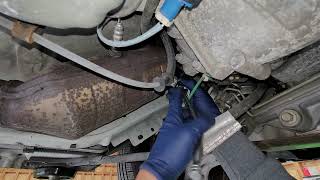
Ford issued a Technical Service Bulletin (TSB 03-16-1) for lean condition codes P0171 and P0174. If your car shows these codes, do not immediately assume the oxygen sensors are bad. The bulletin advises that the root cause is often a vacuum leak (like from a PCV hose elbow) or a fuel delivery issue, not a faulty sensor. Replacing the sensors will not fix the underlying problem in these cases. Always diagnose for vacuum leaks first 🎬 See how to diagnose Ford lean codes before replacing sensors. when you see these specific codes.
Choosing the Right Aftermarket Oxygen Sensor
When it comes to sensors, quality matters. While OEM Motorcraft parts are a safe bet, several aftermarket brands offer excellent performance and value. Here’s a breakdown of the brands available.
Tier 1: OEM & Premium Aftermarket
These brands are known to be original equipment manufacturers for many automakers, including Ford. They offer the highest quality and reliability.
- NGK/NTK: Often considered the original equipment supplier for the 2002-2005 Thunderbird. You can't go wrong with NTK for a direct-fit replacement that performs like the original.
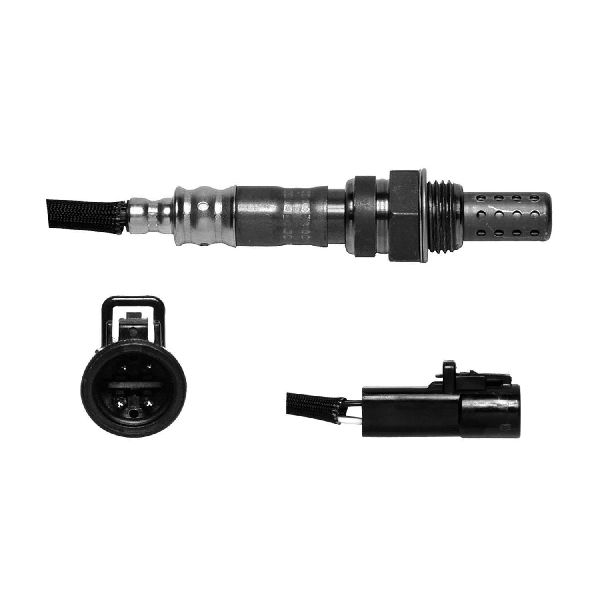
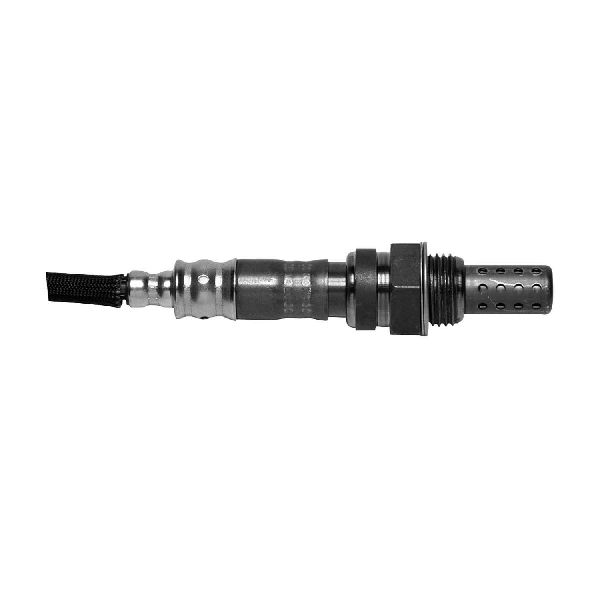
- Denso: Another top-tier Japanese brand known for its high-quality sensors that meet or exceed OE standards. They are a trusted choice for reliability and performance.
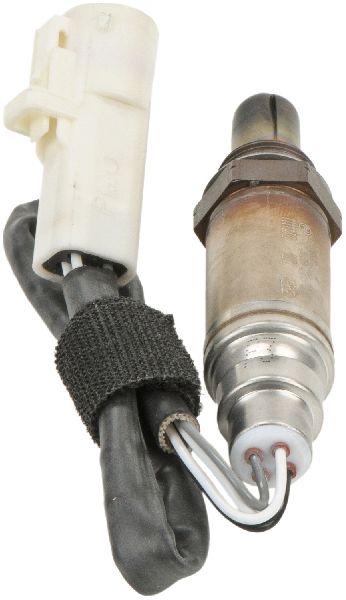
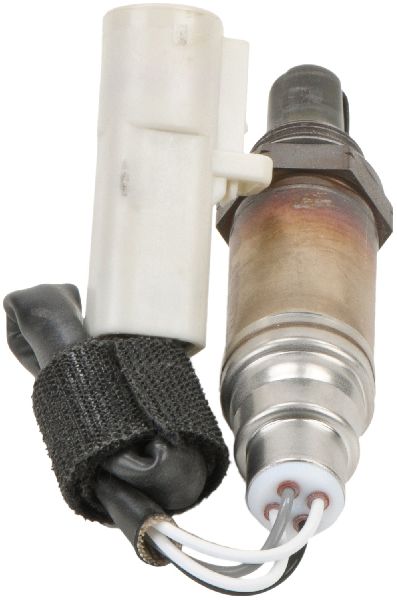
- Bosch: As the inventor of the automotive oxygen sensor, Bosch has a long history of quality. While their OEM parts are excellent, some Ford enthusiasts in forums suggest that their aftermarket sensors can occasionally be less responsive than NTK or Denso in certain applications. Still, they remain a premium, reliable option.
Tier 2: Reputable Aftermarket
These brands provide a great balance of cost and quality, making them a popular choice for DIY repairs.
- Walker Products: Known for producing reliable fuel system and emission control parts. Walker sensors are often praised for their good fit and value, providing performance close to OE without the high price tag.
- Delphi: A major OE supplier for many vehicle systems, Delphi offers dependable aftermarket parts that are a solid choice for this repair.
Tier 3: Budget-Friendly
These brands offer the lowest price point, which can be attractive for budget-conscious repairs.
- DriveWire: This is a more budget-oriented brand. While functional, it may not offer the same longevity or precise calibration as the premium brands.
Direct-Fit vs. Universal Sensors
Always choose a "direct-fit" sensor. These come with the correct wire length and factory-style electrical connector for a simple plug-and-play installation. Universal sensors require you to cut your old connector off and splice it onto the new sensor. This creates a potential point of failure from moisture and corrosion and should be avoided.
Frequently Asked Questions (FAQ)
How many oxygen sensors does a 2002-2005 Thunderbird have?
Your Thunderbird has four oxygen sensors. There are two upstream (before the catalytic converters) and two downstream (after the catalytic converters).
Should I replace all four oxygen sensors at once?
It's a good practice, especially on an older vehicle. O2 sensors degrade over time. If one has failed due to age, the others are likely not performing at their best either. Replacing them in sets (both upstream or all four) can restore performance and prevent future check engine lights.
What are the OBD-II codes for a bad oxygen sensor?
Common codes include P0130-P0167, which point to sensor circuit malfunctions, slow response, or heater circuit issues. A code for a slow response (like P0153) is a clear sign the sensor is worn out. 🎬 Watch this step-by-step Bank 2 Sensor 1 replacement walkthrough. You might also see codes like P2195. However, be aware that lean codes like P0171 and P0174 may be caused by other issues, not the sensor itself.
Where are the oxygen sensors located?
The sensors are screwed into the exhaust pipes. Bank 1 is on the passenger's side of the engine, and Bank 2 is on the driver's side. Sensor 1 is the upstream sensor (before the catalytic converter), and Sensor 2 is the downstream sensor (after the converter).
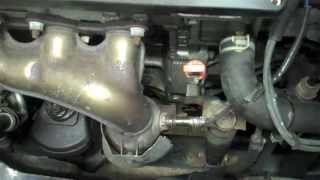
🎬 Watch this video to help you find O2 sensor locations.Helpful Videos

Technical Specifications
OEM Part Numbers: DY1088 DY835 DY997
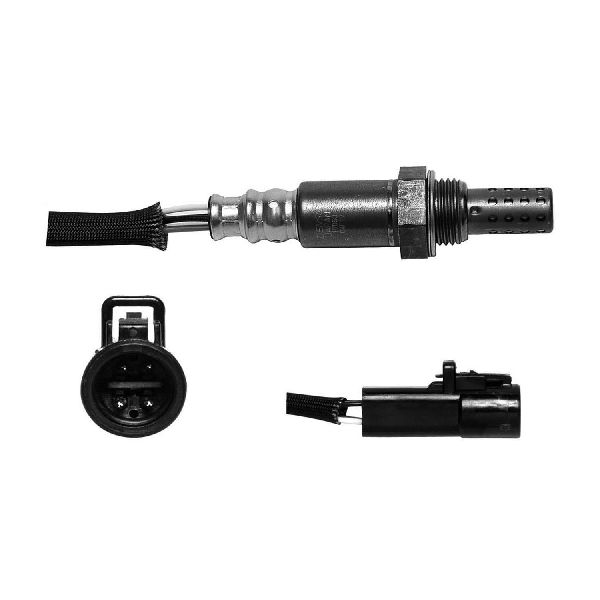
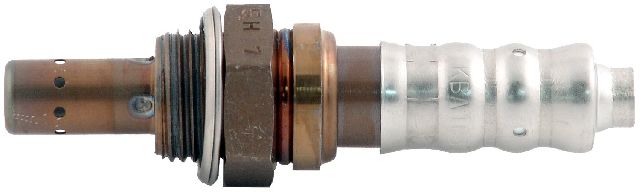
The 2002-2005 Ford Thunderbird uses four heated, 4-wire oxygen sensors. There are two upstream sensors and two downstream sensors, which may have different part numbers and wire lengths.
We Have This Part in Stock

The information in this article is provided for general reference and educational purposes only. Vehicle specifications, procedures, and part compatibility can vary by production date, trim level, and region. Always consult your vehicle's factory service manual and verify part numbers before purchasing or performing repairs. Safety-critical components such as airbags, seat belts, and braking systems should be installed by a qualified professional.
- Ford Thunderbird:
- 🎬 Helpful Videos
- 🛍️ Shop This Part
- A Note on Vehicle Years
- Understanding Upstream vs. Downstream Sensors
- Important TSB Information for Lean Codes (P0171/P0174)
- Choosing the Right Aftermarket Oxygen Sensor
- Tier 1: OEM & Premium Aftermarket
- Tier 2: Reputable Aftermarket
- Tier 3: Budget-Friendly
- Direct-Fit vs. Universal Sensors
- Frequently Asked Questions (FAQ)
- 🎟️ Get 5% Off