

Jeep Wrangler TJ (1999-2005) Engine Camshaft Position Sensor Replacement Guide
Don't get stranded—understand the critical camshaft sensor differences for your 4.0L or 2.4L TJ engine.
- For 4.0L engines, the sensor is part of the Camshaft Synchronizer assembly; the entire unit should often be replaced, not just the sensor.
- Using cheap aftermarket synchronizer assemblies on the 4.0L engine is extremely risky and can lead to catastrophic engine failure.
- Mopar (OEM) or NTK are the most recommended brands for reliability and proper function.
- Replacement on a 4.0L requires setting the engine to Top Dead Center (TDC) and precise alignment, making it a more complex job than on the 2.4L.
Is Your Camshaft Sensor Failing? Common Symptoms
A bad camshaft position sensor can leave you stranded. Because it's so important for engine timing, a failure causes obvious and often sudden problems. Watch for these signs:
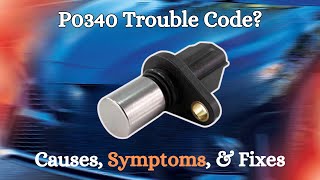
- Check Engine Light: This is often the first warning. The most common trouble code is P0340, which points directly to a problem 🎬 Watch this complete guide to diagnosing and fixing code P0340. in the camshaft position sensor circuit.
- Engine Won't Start: You may experience a "crank, no-start" condition. The engine will turn over, but it won't fire up because the computer doesn't have the signal it needs to time the fuel injectors.
- Sudden Stalling: The engine may stall without warning while driving, which can be a serious safety risk. This often happens as the sensor gets hot and the internal electronics fail intermittently.
- Rough Idle and Poor Performance: Your Jeep might idle unevenly, hesitate during acceleration, or feel down on power. This happens because the engine's timing is off, leading to inefficient combustion.
- Bad Fuel Economy: When the computer is guessing on timing, it often uses more fuel than necessary, causing a noticeable drop in MPG.
Critical Information for 4.0L Engine Owners
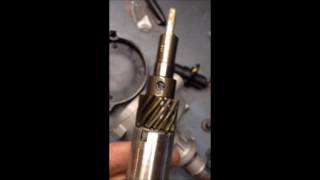
If you have the 4.0L engine, this is not a simple sensor swap. The sensor is part of the Camshaft Synchronizer Assembly (also called the OPDA - Oil Pump Drive Assembly). This entire unit is a known weak point, especially on 2005-2006 models, but relevant to all TJs with the 4.0L. The internal bushings can wear out, causing a chirping or "laughing monkey" sound. 🎬 Hear the 'laughing monkey' sound and see the OPDA fix. Using a cheap, poorly made aftermarket assembly is extremely risky. These parts are known to fail prematurely, and in the worst cases, the gear can shear off and cause catastrophic engine damage. When replacing this part, proper alignment is not optional—it is essential for the engine to run.
Choosing the Right Aftermarket Camshaft Sensor
Not all aftermarket parts are created equal, and for this specific component on a Jeep, brand choice matters a lot. Here’s how the options break down:
Tier 1: OEM & OEM-Equivalent Brands
For a critical sensor like this, especially the 4.0L synchronizer assembly, spending a little more for quality is a wise investment. Enthusiasts almost universally recommend sticking to Mopar or a known OEM supplier.
- Mopar: This is the factory part. It's the most expensive option but offers the highest likelihood of a perfect fit, correct material hardness (on the 4.0L gear), and long-term reliability.
- NGK/NTK: NGK (under the NTK brand for sensors) is a well-respected electronics manufacturer and is believed to be the original supplier for many Mopar sensors. This is often considered the best aftermarket choice, providing OEM quality without the dealership price tag.
Tier 2: Reputable Aftermarket Brands
These brands are established names in the aftermarket and can be a good balance of price and quality, though they are generally considered a step down from OEM for this part.
- Delphi: A major OEM supplier for many car brands, Delphi has a solid reputation for electronics.
- Standard Motor Products (SMP): A long-standing aftermarket brand that offers a wide range of sensors. Quality is generally good, though some users report occasional out-of-box failures.
- Walker Products: Another established brand in engine management and fuel systems.
Tier 3: Budget & Economy Brands
This category includes store brands and other low-cost options. While the price is tempting, the risk is higher. For the 2.4L engine's simple sensor, a budget part might be acceptable. For the 4.0L synchronizer assembly, using a budget part is strongly discouraged due to the risk of premature failure and engine damage.
- Dorman: Dorman parts can be hit-or-miss. Some users have had success, while others report issues with fitment or longevity right out of the box. For the 4.0L synchronizer, it's a gamble.
- Crown Automotive / Omix-Ada: These brands specialize in Jeep parts. While they offer many great products, for critical electronic sensors, they are often viewed as a budget alternative to Mopar.
| Item | Estimated Cost |
|---|---|
| New Aftermarket Part | $19.54 - $64.10 |
| New OEM (Mopar) Part | $100 - $150 |
| Shop Labor | $136 - $199 |
| Total Professional Replacement (Aftermarket Part) | $155 - $263 |
| Total Professional Replacement (OEM Part) | $236 - $349 |
Pro Tip: Crank Sensor vs. Cam Sensor
The symptoms of a bad camshaft sensor are nearly identical to a bad crankshaft position sensor. A common code, P1391, can point to either one. A helpful diagnostic trick: a failing crankshaft sensor will often cause the tachometer to drop to zero while cranking or just before the engine stalls. A failing camshaft sensor usually does not affect the tachometer.
Frequently Asked Questions
What is a camshaft synchronizer and why is it important?
On the 4.0L engine, the camshaft synchronizer is an assembly that sits where a distributor would be on an older engine. It has a gear that meshes with the camshaft. Its shaft spins to drive the oil pump and also has a reluctor wheel inside that triggers the camshaft position sensor. It's a 3-in-1 job: drive the oil pump, tell the computer the cam's position, and sync it with the crankshaft. If the assembly fails, you lose oil pressure, the timing signal, or both.
Can I replace just the sensor on my 4.0L engine?
Yes, the sensor itself can be unbolted from the top of the synchronizer assembly. However, this is often a temporary fix. The most common failure is not the sensor, but the bushings and gear of the synchronizer assembly itself. If you hear any chirping or squealing from that area, you should replace the entire assembly.
Is this a difficult part to replace myself?
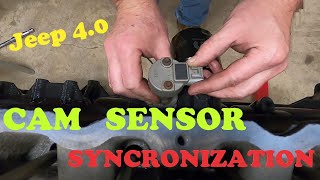
It depends entirely on your engine. For the 2.4L engine, it's a very easy DIY job, rated 1/5 difficulty. It's typically held on by one or two bolts and is easily accessible. For the 4.0L engine, replacing the entire synchronizer assembly is a 3/5 difficulty. It requires setting the engine to Top Dead Center (TDC) for cylinder #1 and carefully aligning the new unit. 🎬 See how to properly align and synchronize the 4.0L sensor. Failure to do this correctly will result in a no-start condition or poor running, and could potentially cause engine damage.
Were there any recalls for the camshaft sensor on the TJ Wrangler?
No. Searches of the National Highway Traffic Safety Administration (NHTSA) database show no recalls specifically for the camshaft position sensor on the 1999-2005 Jeep Wrangler TJ.
Helpful Videos
Technical Specifications
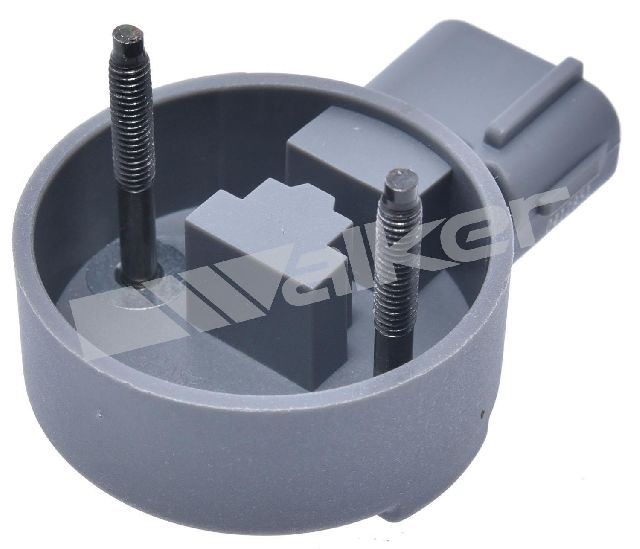
OEM Part Numbers: 56027866AC 56041020 4897023AA 5072759AA 56041432AD
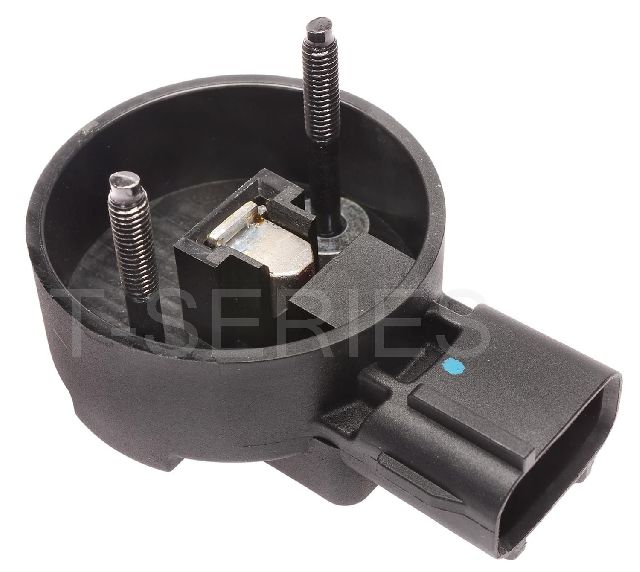
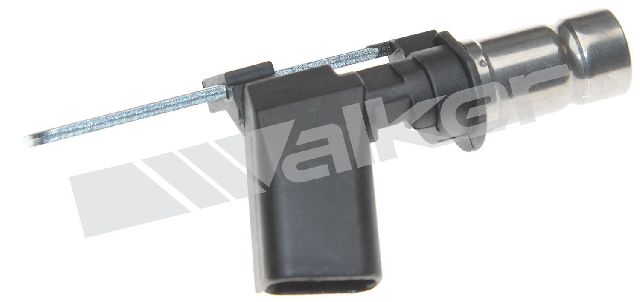
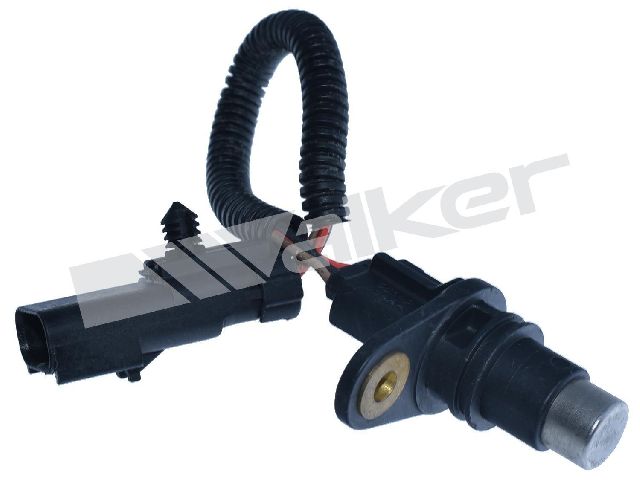
Varies by engine. The 4.0L I6 uses a sensor integrated into the camshaft synchronizer assembly (distributor replacement). The 2.4L I4 uses a standalone 3-pin Hall-effect sensor.
We Have This Part in Stock


The information in this article is provided for general reference and educational purposes only. Vehicle specifications, procedures, and part compatibility can vary by production date, trim level, and region. Always consult your vehicle's factory service manual and verify part numbers before purchasing or performing repairs. Safety-critical components such as airbags, seat belts, and braking systems should be installed by a qualified professional.
- Jeep Wrangler:
- 🎬 Helpful Videos
- 🛍️ Shop This Part
- Is Your Camshaft Sensor Failing? Common Symptoms
- Critical Information for 4.0L Engine Owners
- Choosing the Right Aftermarket Camshaft Sensor
- Tier 1: OEM & OEM-Equivalent Brands
- Tier 2: Reputable Aftermarket Brands
- Tier 3: Budget & Economy Brands
- Pro Tip: Crank Sensor vs. Cam Sensor
- Frequently Asked Questions
- 🎟️ Get 5% Off