

Land Rover Range Rover A/C Compressor Guide: 1999-2005
Keep your Range Rover's climate control working correctly by understanding A/C compressor failure and replacement.
- Identify your vehicle correctly: 1999-2002 is a P38A, 2003-2005 is an L322. They use different parts.
- For L322 models, be aware of catastrophic failure ("black death") which requires replacing more than just the compressor.
- Always replace the receiver/drier and add the correct amount of new PAG oil when installing a new compressor to ensure warranty and longevity.
- Denso is the OEM supplier; choosing an aftermarket Denso part is a reliable option for OEM-level quality.
Understanding Your Range Rover's A/C Compressor
If the air from your vents isn't cold, a failing A/C compressor is a likely suspect. This component works hard under high pressure and eventually wears out. For the 1999-2005 Range Rover, it's important to know which model you have, as the A/C systems are different.
Generation Differences: P38A vs. L322
The 1999-2005 timeframe covers two very different Range Rover models. It is crucial to identify your vehicle before ordering parts.
- 1999-2002 Range Rover (P38A): This generation is known for specific electrical issues that can affect the A/C compressor's clutch. Often, the clutch fails to engage due to low voltage or a worn-out clutch gap. While sometimes this can be fixed by removing a shim or installing a wiring harness update, a complete compressor failure can still occur.
- 2003-2005 Range Rover (L322): These models, equipped with a BMW V8 engine, use a different compressor. A common and serious issue is catastrophic compressor failure, sometimes called "black death." This is when the compressor's internal parts break apart, sending metal shavings throughout the entire A/C system. If this happens, you must replace not just the compressor, but also the condenser, receiver/drier, and expansion valve, and thoroughly flush the lines.
Warning: "Black Death" Failure
On 2003-2005 L322 models, if your compressor fails internally, it can contaminate the entire A/C system with metal debris. A simple compressor swap is not enough. The entire system must be flushed, and the condenser and receiver/drier must be replaced to prevent the new compressor from failing immediately. This is a costly and labor-intensive repair.
Choosing the Right Aftermarket A/C Compressor
When your original compressor fails, you have several options. While an OEM part from a Land Rover dealer is available, new aftermarket parts offer comparable quality at a better price. Here’s a breakdown of common aftermarket brands:
- Denso: Denso was the Original Equipment Manufacturer (OEM) for many of these Range Rovers. Choosing an aftermarket Denso compressor is often the safest bet, as it is built to the original factory standards and is known for reliability and longevity.
- Nissens: Nissens is a well-regarded European brand that produces quality A/C components. They are often considered an OEM-equivalent quality part and a solid choice for replacement.
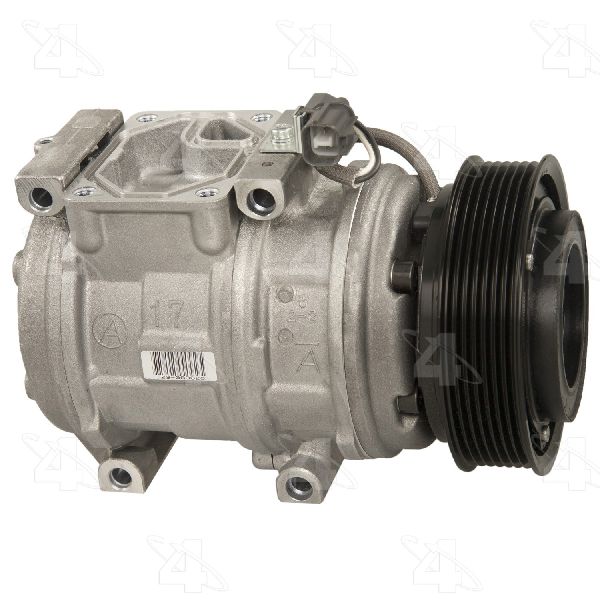
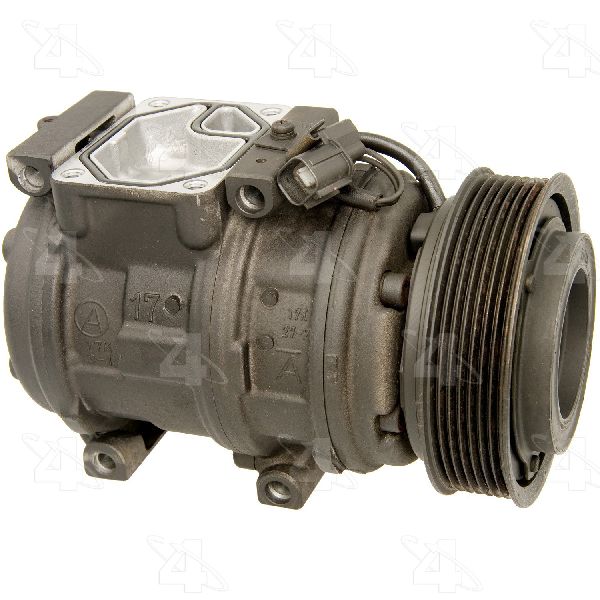
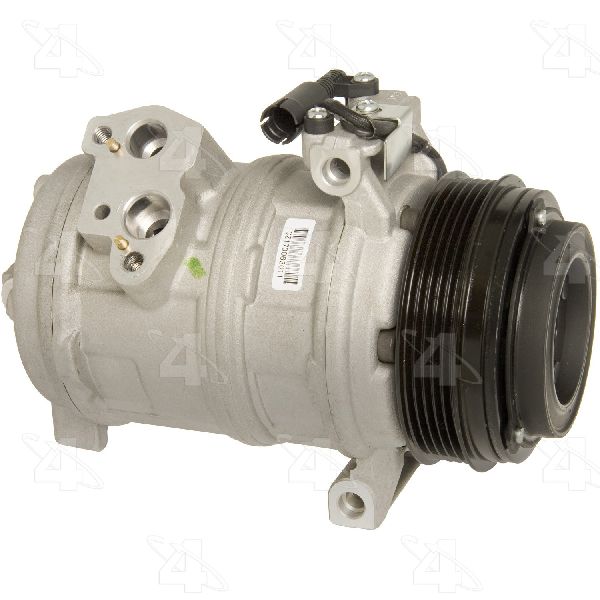
- Four Seasons: As one of the largest aftermarket compressor suppliers, Four Seasons offers a wide range of products. They are a good mid-tier option that balances cost and reliability.
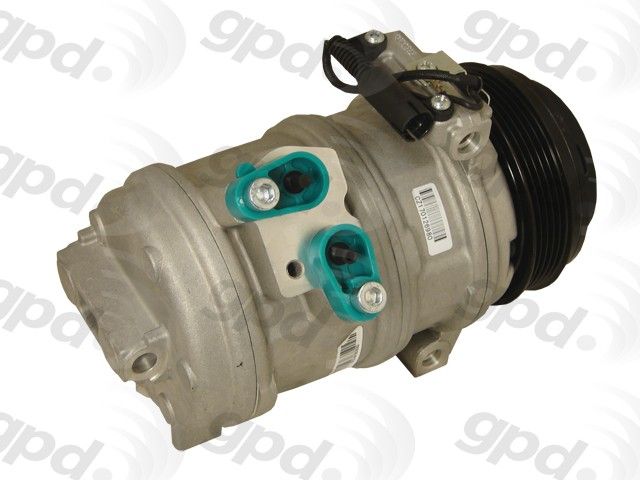
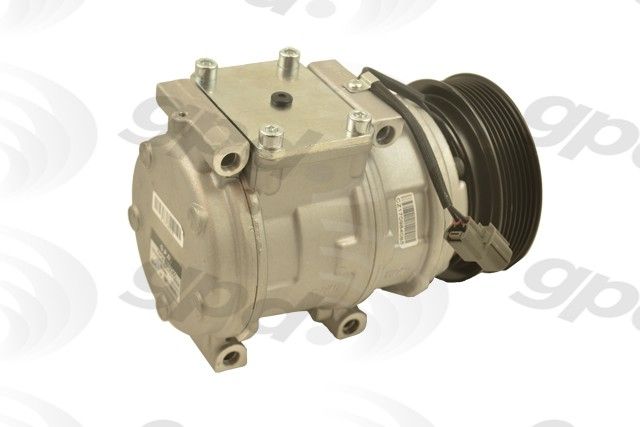
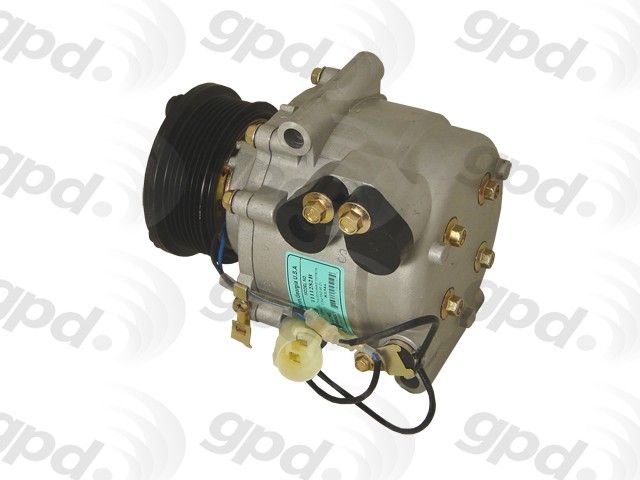
- Global Parts (gpd): GPD is known for providing a wide range of options, including complete kits. They are typically a more budget-friendly choice.
Pro Tip: Always Replace the Receiver/Drier
Whenever you replace the A/C compressor, you MUST also replace the receiver/drier (or accumulator). This component absorbs moisture from the refrigerant. Opening the system to replace the compressor exposes the drier to atmospheric moisture, saturating it. Failing to replace it will cause the new compressor to fail prematurely and will void the part's warranty.
Cost of Replacing a Range Rover A/C Compressor
The cost can vary significantly based on your model and the extent of the damage. A simple compressor swap is much cheaper than a full system replacement after a catastrophic failure.
| Part / Service | Estimated Cost |
|---|---|
| New Aftermarket A/C Compressor | $262 - $507 |
| Shop Labor | $350 - $600 |
| A/C System Evacuate & Recharge | $150 - $250 |
| Total Estimated Cost | $762 - $1,357+ |
Note: Costs are estimates and can vary by location and repair shop. Costs will be significantly higher if a full system replacement is needed due to contamination.
Frequently Asked Questions (FAQ)
Can I just replace the A/C clutch?
On some models, especially the P38A, the clutch is a common failure point and can sometimes be replaced separately. However, many modern compressors are designed as a single unit. Often, the labor to replace just the clutch is nearly the same as replacing the entire compressor, making a full replacement a more durable long-term repair.
Why did my new compressor fail after a few weeks?
The most common reason for a new compressor to fail quickly is system contamination. If the old compressor failed internally, metal particles may have been left in the system. Without a thorough flush and replacement of the condenser and receiver/drier, this debris will destroy the new compressor. Another reason is failing to replace the receiver/drier, which leads to moisture-related damage.
Is this a good DIY job?
Replacing an A/C compressor is an advanced DIY task. It requires specialized tools to safely and legally recover refrigerant, evacuate the system with a vacuum pump, and recharge it with the precise amount of refrigerant and oil. Incorrect procedures can damage the new parts or result in poor performance. For most owners, professional installation is recommended.
My A/C works intermittently. Is it the compressor?
It could be, but intermittent operation can have several causes. On a P38A, it could be the clutch gap or a voltage issue. On an L322, it could be a failing clutch, a faulty pressure switch, or an incorrect refrigerant charge. A proper diagnosis with pressure gauges is needed before replacing parts.
Technical Specifications
OEM Part Numbers: JPB500231 LR020449 JPB500221 JPB500220
Fits 1999-2002 Range Rover P38A and 2003-2005 Range Rover L322 models. Note that these are two different generations with different engine configurations and require different compressors. The P38A often uses a Denso 10PA17C style compressor, while the 2003-2005 L322 with the BMW engine uses a Denso 10S17C style compressor.
We Have This Part in Stock

The information in this article is provided for general reference and educational purposes only. Vehicle specifications, procedures, and part compatibility can vary by production date, trim level, and region. Always consult your vehicle's factory service manual and verify part numbers before purchasing or performing repairs. Safety-critical components such as airbags, seat belts, and braking systems should be installed by a qualified professional.
- Land Rover Range Rover:
- 🛍️ Shop This Part
- Understanding Your Range Rover's A/C Compressor
- Generation Differences: P38A vs. L322
- Warning: "Black Death" Failure
- Choosing the Right Aftermarket A/C Compressor
- Pro Tip: Always Replace the Receiver/Drier
- Cost of Replacing a Range Rover A/C Compressor
- Frequently Asked Questions (FAQ)
- 🎟️ Get 5% Off