

A Practical Guide to Universal Joints for the 1999-2005 Mazda B2300
Here's what you need to know about keeping your truck's driveline in top shape with the right U-joint.
- A clunk when shifting or a vibration at speed are the most common signs of a failing U-joint.
- For maximum reliability, choose a non-greasable U-joint from Dana Spicer, the original equipment supplier.
- While there are no specific recalls, be aware that this is a common wear item on older trucks.
- Replacing U-joints is a DIY-possible job, but requires proper tools like a press or a large vise to avoid frustration and damage.
Is Your Mazda B2300 U-Joint Failing?
Universal joints are tough, but they are a normal wear item. Since the 1999-2005 Mazda B2300 is a rebadged Ford Ranger, it shares the same robust but aging driveline components. Over time, the small needle bearings inside the U-joint's caps can wear out or lose their grease. This leads to looseness and vibration. Ignoring the signs can lead to a complete failure where the driveshaft can disconnect, potentially causing major damage and leaving you stranded.
Common Symptoms of a Bad U-Joint:
- Clunking Noise: A loud "clunk" or "ping" when you shift into Drive or Reverse is a classic sign. You might also hear it when you accelerate or decelerate suddenly. This is caused by excessive play in the worn joint.
- Vibration While Driving: A vibration that you can feel through the floor or seat is a very common symptom. This vibration is often speed-sensitive, appearing at highway speeds and getting worse as you go faster. Because the driveshaft spins much faster than the wheels, this vibration feels different than an out-of-balance tire.
- Squeaking or Chirping: A rhythmic squeaking noise that changes with your speed, often heard at lower speeds, usually points to a U-joint that has lost its lubrication.
Critical Failure Warning
If a U-joint fails completely, the driveshaft can detach from the truck. This can cause you to lose control, damage the transmission, exhaust, and underbody, and will leave you stranded. If you suspect a bad U-joint, it's important to get it inspected and replaced promptly.
Choosing the Right Aftermarket U-Joint
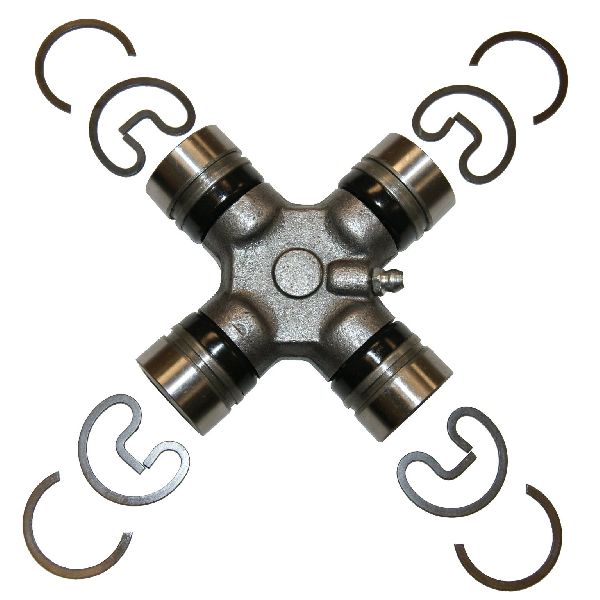
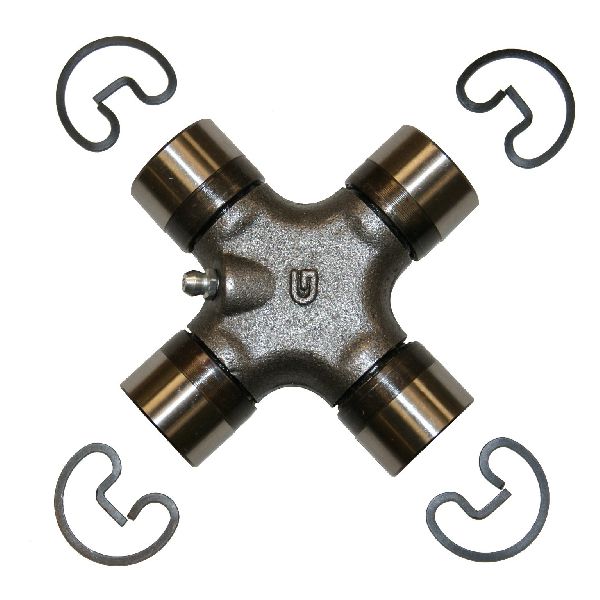
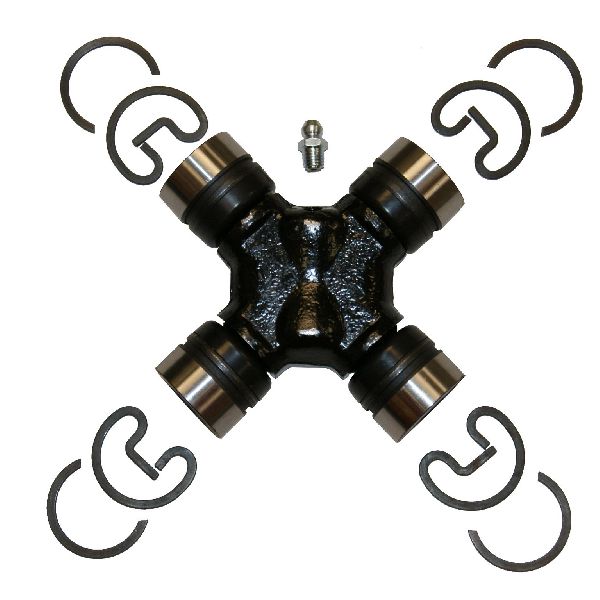
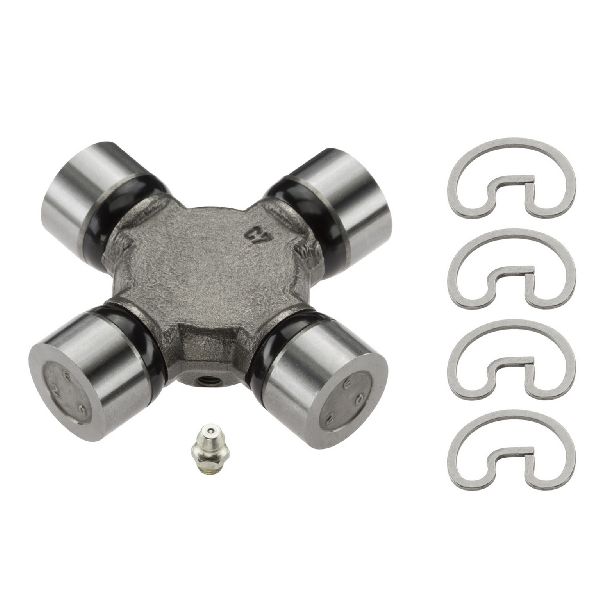
For the 1999-2005 B2300, you have several good aftermarket options. The quality can vary, so it's important to choose wisely. U-joints come in two main styles: greasable and non-greasable (sealed).
- Non-Greasable (Sealed): These are what the factory installs. They are filled with grease and sealed for life. Many experts and experienced owners believe these are stronger because the internal cross is solid metal.
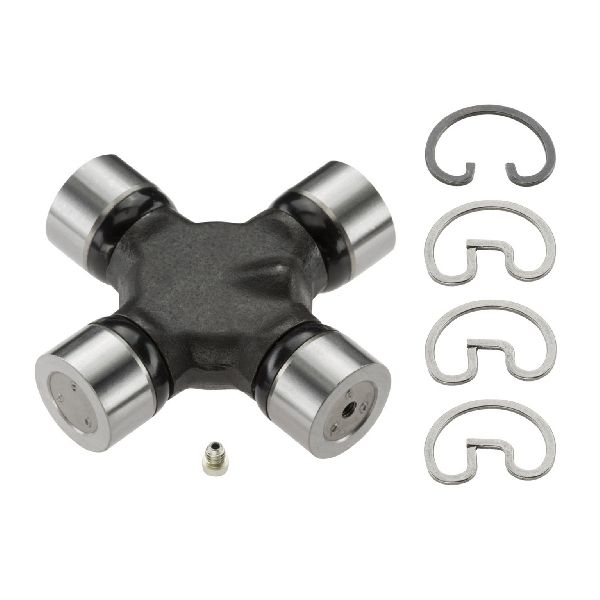
- Greasable: These have a small fitting (a zerk) that allows you to add new grease periodically. This can help flush out contaminants and extend the part's life, but only if you perform the maintenance regularly. The downside is that the joint itself is slightly weaker due to the channels drilled for the grease.
Pro Tip: If you don't do your own maintenance regularly, a high-quality, non-greasable U-joint is the best "fit and forget" option. If you enjoy regular maintenance and want to potentially extend the life of the part, a greasable joint is a good choice.
Brand Quality Tiers
Based on owner and mechanic feedback, here's how the available brands generally stack up for your truck:
- Top Tier (OEM Quality): Dana Spicer Chassis is widely considered the original equipment manufacturer (OEM) for Ford/Mazda trucks. For reliability and durability that matches the original part, Spicer is the top recommendation. Their non-greasable joints are often preferred for maximum strength.
- Good Quality Tier: SKF is a well-respected brand that makes quality bearings and driveline parts. They are often seen as a reliable alternative if Spicer is not available.
- Standard Tier: GMB and Moog fall into this category. Moog's quality has become a topic of debate among enthusiasts; while once a top-tier brand, many now feel their quality is inconsistent. They can be a budget-friendly option, but may not have the longevity of Spicer or SKF.
Known Issues, Recalls, and Bulletins
There are no specific NHTSA recalls for universal joints on the 1999-2005 Mazda B2300. However, Ford did issue a Technical Service Bulletin (TSB 12-7-13) for equivalent Ford Rangers regarding a "slip/bump" sensation from the driveshaft. This issue is related to the slip yoke on the driveshaft needing a specific type of grease. While not a U-joint failure, it involves servicing the driveshaft and is something to be aware of if you experience a clunk on takeoff or stopping.
Cost to Replace a Universal Joint on a 1999-2005 Mazda B2300
The cost can vary based on your location and whether you do the work yourself. Your B2300 has at least two U-joints on the rear driveshaft. It's often recommended to replace them in pairs.
| Item | Estimated Cost |
|---|---|
| Aftermarket U-Joint Part | $18 - $54 per joint |
| Shop Labor | $150 - $280 |
| Total Professional Replacement | $200 - $450 (for one or two joints) |
Frequently Asked Questions (FAQ)
How many U-joints does my Mazda B2300 have?
A standard 2WD Mazda B2300 has two universal joints on its rear driveshaft—one at the transmission end and one at the rear axle end. If you have a 4x4 model, you will have additional U-joints on the front driveshaft.
Is it difficult to replace a U-joint myself?
It is a moderately difficult job that can be done by a skilled DIYer. It requires safely lifting the vehicle, removing the driveshaft, and using either a bench vise with large sockets or a specialized U-joint press to remove the old joint and install the new one. Without the right tools, it can be a frustrating job. It is critical to mark the driveshaft's orientation before removal to prevent vibration issues after installation.
Should I choose a greasable or non-greasable U-joint?
This depends on your maintenance habits. Non-greasable (sealed) joints, like the ones from Spicer, are generally stronger and require no maintenance, just like the original factory part. Greasable joints can last a very long time if you remember to grease them at every oil change, but they are slightly weaker by design.
Do I need to get my driveshaft balanced after replacing the U-joints?
Typically, no. If you carefully mark the driveshaft and yokes before you take them apart and reassemble them in the exact same orientation, balancing is usually not needed. If you experience a new vibration after the repair, it's possible the driveshaft is out of alignment or was reinstalled incorrectly.
What is the most common mistake when ordering?
The most common mistake is not physically verifying the part needed. While most 1999-2005 B2300s use a standard size, previous owners may have swapped driveshafts or axles. It's always a good idea to measure your existing U-joint caps or take the old part to the store to match it up, just in case.
Technical Specifications
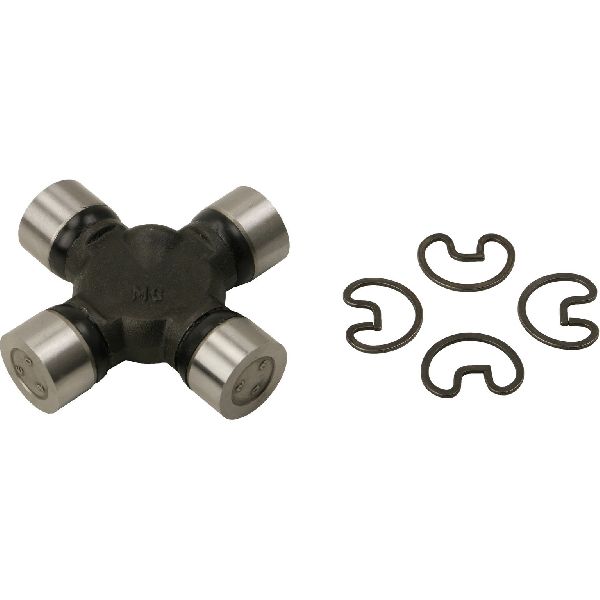
The Mazda B2300 is a rebadged Ford Ranger. Parts are often listed under Ford Ranger for the same model year. Most rear driveshafts use two U-joints. It is crucial to confirm if your truck has inside or outside snap rings holding the U-joint caps in place, although most for this model are outside clips.
We Have This Part in Stock

The information in this article is provided for general reference and educational purposes only. Vehicle specifications, procedures, and part compatibility can vary by production date, trim level, and region. Always consult your vehicle's factory service manual and verify part numbers before purchasing or performing repairs. Safety-critical components such as airbags, seat belts, and braking systems should be installed by a qualified professional.
- Mazda B2300:
- 🛍️ Shop This Part
- Is Your Mazda B2300 U-Joint Failing?
- Common Symptoms of a Bad U-Joint:
- Critical Failure Warning
- Choosing the Right Aftermarket U-Joint
- Brand Quality Tiers
- Known Issues, Recalls, and Bulletins
- Cost to Replace a Universal Joint on a 1999-2005 Mazda B2300
- Frequently Asked Questions (FAQ)
- 🎟️ Get 5% Off