

A Guide to Oxygen Sensors for the 1999-2005 Pontiac Grand Am
Fix your Grand Am's poor gas mileage and rough idle by choosing the right replacement oxygen sensor.
- Your Grand Am has two O2 sensors; use a scan tool to identify which one is faulty (Upstream/Sensor 1 or Downstream/Sensor 2) before buying a replacement.
- A P0420 code can be caused by a bad downstream O2 sensor, not just a failed catalytic converter. Try replacing the sensor first.
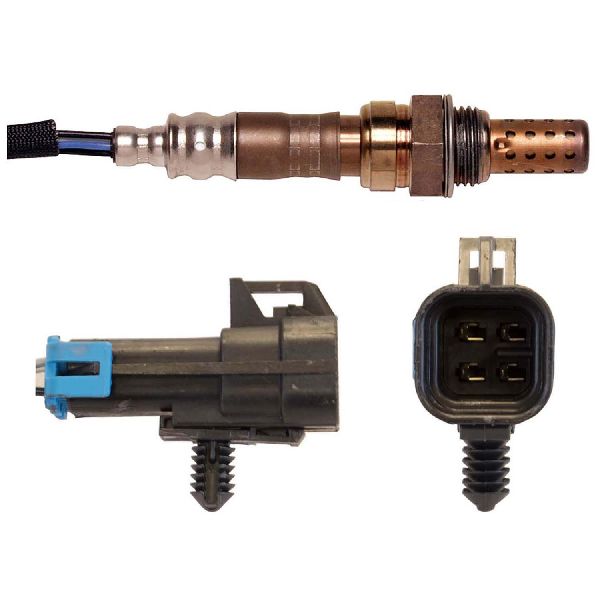
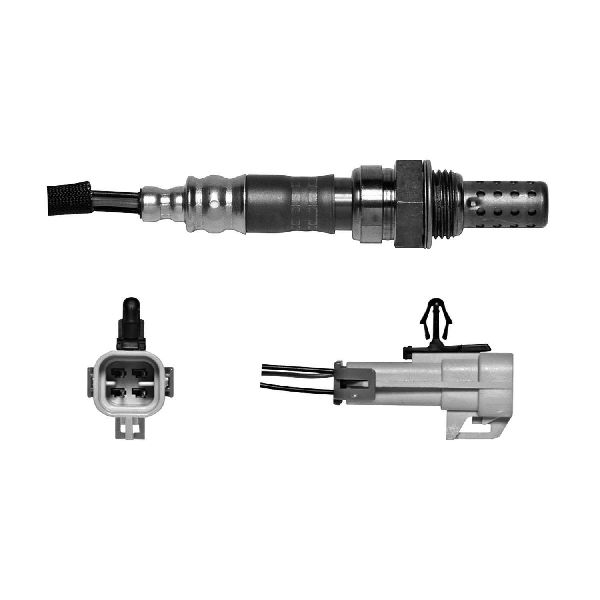
- For best results and easiest installation, choose a direct-fit sensor from a premium brand like ACDelco, Denso, or NGK.
- An O2 sensor socket is a crucial tool for this job and will make removal much easier, especially if the old sensor is rusted in place.
Symptoms of a Failing Oxygen Sensor
When an oxygen sensor goes bad, your Grand Am will give you some clear signs. The most obvious is the Check Engine Light on your dashboard. You'll also likely notice a significant drop in fuel economy because the engine's computer can't properly regulate the fuel mixture. Other common symptoms include a rough idle, engine hesitation or misfires, and a rotten egg or sulfur smell from the exhaust. In some cases, you might even see black smoke from the tailpipe.
Don't Ignore a P0420 Code
If your scanner shows a P0420 code ("Catalyst System Efficiency Below Threshold"), don't immediately assume your catalytic converter is bad. While this can be the cause, a faulty downstream oxygen sensor can also trigger this code by sending incorrect readings. It's often cheaper and easier to replace the O2 sensor first to see if it resolves the issue before looking at a much more expensive converter replacement.
Choosing the Right Aftermarket Oxygen Sensor
For the 1999-2005 Grand Am, the original equipment (OEM) supplier was typically ACDelco or Delphi. When choosing a replacement, sticking close to the original design is usually best for compatibility and performance.
Brand Quality Tiers
- Premium (OEM-Equivalent): Brands like ACDelco, Denso, and NGK/NTK are often the original manufacturers for GM parts or are highly regarded for their quality and reliability. Many professional mechanics recommend using these brands to avoid compatibility issues. Denso is often the actual manufacturer for parts found in an ACDelco box. These are your best bet for a direct-fit, long-lasting repair.
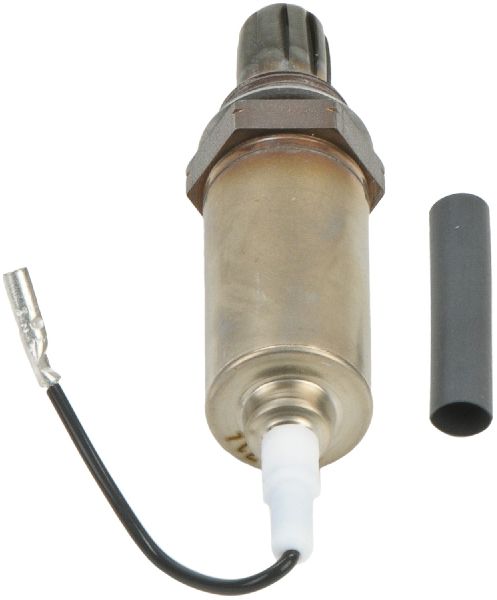
- Quality Aftermarket: Bosch invented the modern O2 sensor and is a major OEM supplier worldwide. While their direct-fit sensors are generally high quality, some owners have reported issues with their universal-fit sensors on GM vehicles. Delphi, Walker Products, and Spectra are also solid choices that provide good performance and value.
- Budget-Friendly: Brands like DriveWire and Vemo offer a lower-cost alternative. While they can get the job done, especially for an older vehicle, they may not have the same lifespan or precise calibration as premium brands.
Pro Tip: Always choose a "direct-fit" sensor over a "universal" one if possible. Direct-fit sensors come with the correct-length wire and factory-style connector, making installation much easier and eliminating the need to splice wires.
Replacement Cost
The cost to replace an oxygen sensor on your Grand Am can vary. The part itself is relatively inexpensive, but labor costs can add up if you have a shop do the work.
| Item | Estimated Cost |
|---|---|
| New Aftermarket Oxygen Sensor | $21 - $112 |
| Shop Labor | $80 - $150 |
| Total (DIY) | $21 - $112 |
| Total (Shop) | $101 - $262 |
Frequently Asked Questions (FAQ)
How many oxygen sensors does my 1999-2005 Grand Am have?
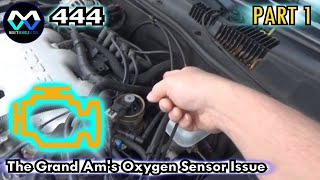
Most Grand Ams from this era, whether equipped with the 4-cylinder or V6 engine, have two oxygen sensors. One is the upstream sensor (Bank 1, Sensor 1) located in the exhaust manifold before the catalytic converter. 🎬 Watch: Locate the upstream oxygen sensor on a 2.4L engine. The other is the downstream sensor (Bank 1, Sensor 2) located after the catalytic converter.
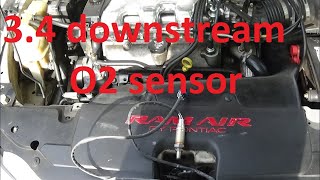
🎬 See this walkthrough for replacing the downstream O2 sensor.What's the difference between an upstream and downstream sensor?
The upstream sensor (also called Sensor 1) is the primary sensor used by the engine computer to adjust the air/fuel mixture. The downstream sensor (Sensor 2) primarily monitors the efficiency of the catalytic converter. A failure in the upstream sensor has a more immediate impact on engine performance and fuel economy.
Do I need a special tool to replace an O2 sensor?
Yes, an oxygen sensor socket is highly recommended. It's a specialized socket with a slot cut down the side to accommodate the sensor's wire. While you might be able to use a 7/8" wrench, the sensors are often in tight spots and can be seized from rust and heat, making the proper socket essential for getting enough leverage.
🎬 Watch: Tips for removing a stuck sensor on the V6.Are there any recalls for the oxygen sensor on my Grand Am?
No, there are no specific recalls issued by the NHTSA for oxygen sensors on the 1999-2005 Pontiac Grand Am. There were several other recalls for this vehicle, including for the ignition switch and fuel tank, but none pertaining to the O2 sensors.
Helpful Videos
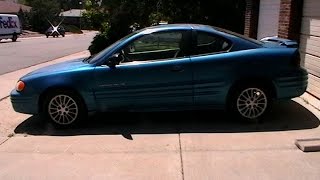
Technical Specifications
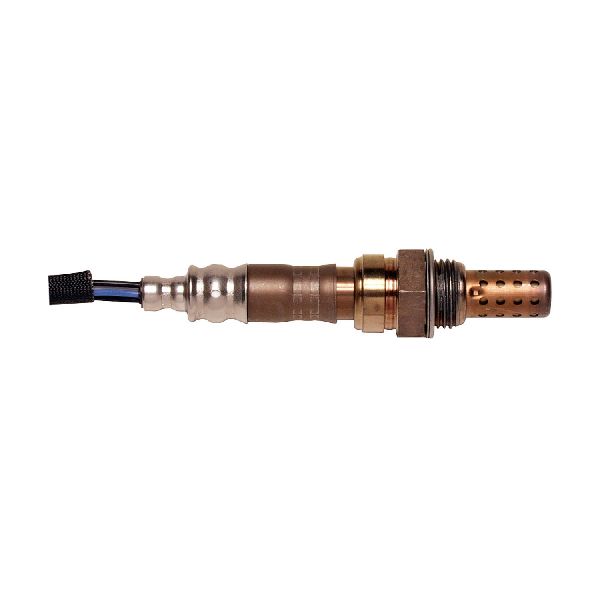
OEM Part Numbers: 24238267 24218077 24207507
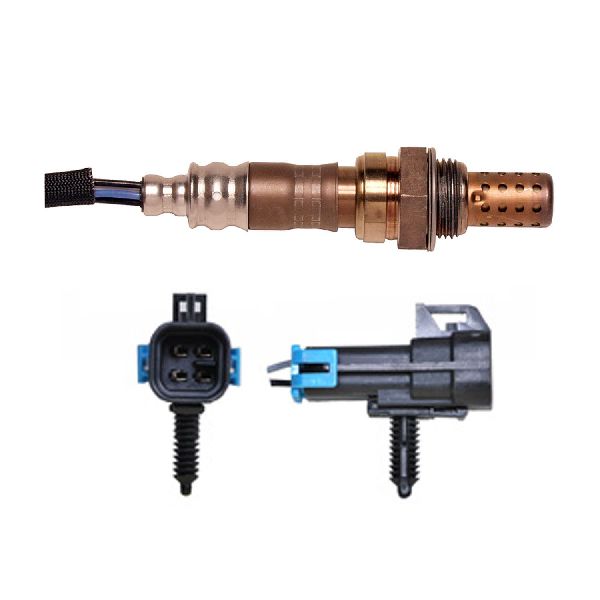
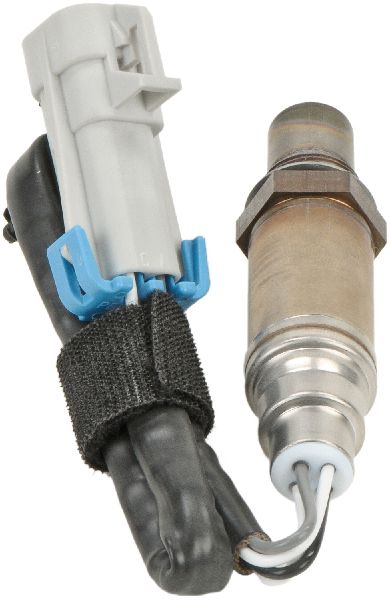
Most models use a 4-wire, heated oxygen sensor with an M18-1.50 thread size. The upstream sensor is located in the exhaust manifold, while the downstream sensor is located after the catalytic converter.
We Have This Part in Stock

The information in this article is provided for general reference and educational purposes only. Vehicle specifications, procedures, and part compatibility can vary by production date, trim level, and region. Always consult your vehicle's factory service manual and verify part numbers before purchasing or performing repairs. Safety-critical components such as airbags, seat belts, and braking systems should be installed by a qualified professional.
- Pontiac Grand Am: