

A Guide to the 1999-2005 Saab 9-3 Engine Coolant Temperature Sensor
Keep your Saab's Trionic engine happy by understanding this small but vital sensor.
- A faulty sensor will cause more than just a bad gauge reading; it affects fuel economy and engine performance.
- For this Saab, it is wise to choose a top-tier aftermarket brand like Hella, Bosch, or Vemo to ensure compatibility with the Trionic ECU.
- Replacing the thermostat at the same time is a common and recommended practice to save time and prevent future issues.
- The replacement is a simple DIY job requiring basic tools, but be prepared to top off your coolant.
Is Your Saab 9-3 Running Rough? It Could Be the Coolant Temp Sensor

If you own a 1999-2005 Saab 9-3, you know that these cars require attention to detail. A failing Engine Coolant Temperature Sensor (ECTS) can cause a surprising number of problems that might seem unrelated at first. Because this sensor provides vital data to the Trionic ECU, a bad reading can make the computer think the engine is cold when it's hot, or vice versa. This can lead to everything from bad fuel mileage to a car that won't start.
Warning Signs of a Failing ECTS
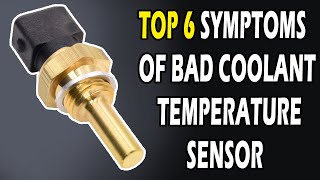
Don't ignore these symptoms. 🎬 Watch a visual guide on signs of a bad sensor. A faulty sensor can lead to poor performance, increased emissions, and potentially leave you stranded.
- Check Engine Light: Often the first sign. Common codes include P0116, P0117, and P0118.
- Erratic Temperature Gauge: The needle may jump around, stay on cold, or read very high.
- Poor Fuel Economy: If the ECU thinks the engine is always cold, it will inject too much fuel, hurting your gas mileage.
- Black Smoke from Exhaust: This is a sign of a rich fuel mixture, where unburnt fuel is exiting through the exhaust.
- Hard Starting: The engine may be difficult to start, especially when cold, because the fuel mixture is incorrect.
- Cooling Fans Run Constantly: As a fail-safe, the ECU may run the fans continuously if it gets an illogical signal from the sensor.
Choosing the Right Aftermarket Sensor

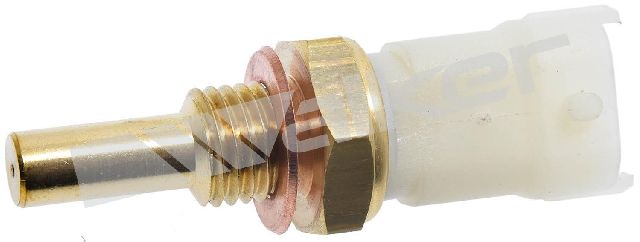
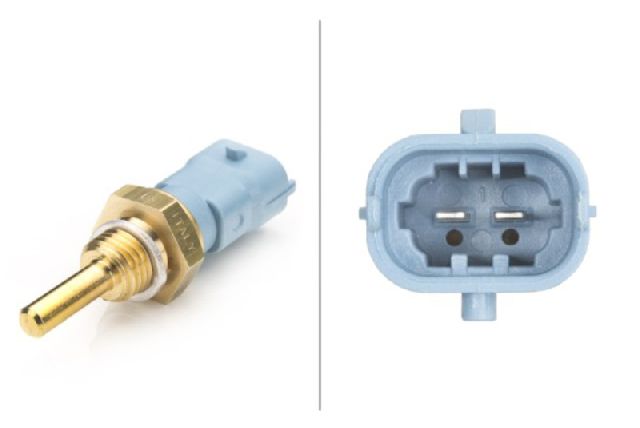
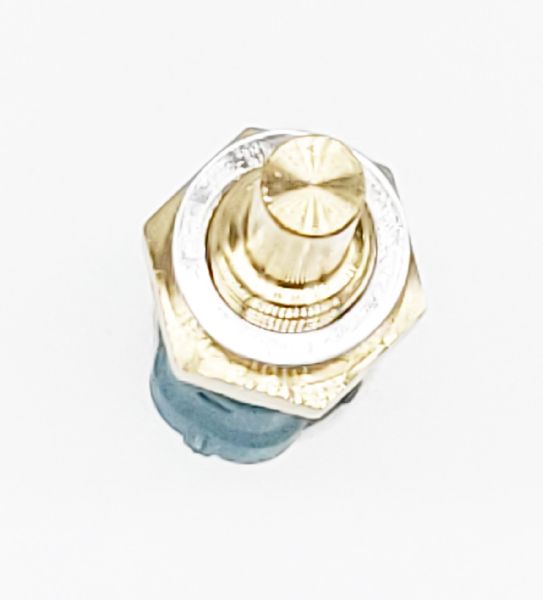
For a vehicle like the 1999-2005 Saab 9-3, you don't always need to buy a genuine OEM part from the dealer. Many aftermarket brands offer excellent quality, sometimes from the same factories that supplied Saab. However, quality can vary greatly, so it's important to choose wisely. The sensor for this Saab generation is typically a 2-pin brass unit that screws into the engine head or thermostat housing.
Brand Quality Tiers
Based on owner experiences and brand reputation in the European car community, we can group the available brands into tiers.
- Top Tier (OEM Quality): Brands like Hella, Vemo, and NGK/NTK are often original equipment suppliers for European vehicles and are trusted for their reliability and accurate readings. Bosch is another top-tier choice frequently recommended. These are your safest bets for a long-lasting repair.
- Reputable Aftermarket: Standard Ignition (SMP), Holstein, and Walker Products are well-known aftermarket manufacturers that produce reliable sensors. CRP/Rein is also known for making quality parts that often meet or exceed OE specs. These brands offer a good balance of price and quality.
- Economy Options: Brands like Facet, Four Seasons, and Global Parts fall into the economy category. While the price is attractive, their performance can sometimes be inconsistent. For a critical sensor like the ECTS on a sensitive Trionic engine, it's often worth spending a few extra dollars on a more reputable brand to avoid potential drivability issues down the road.
Pro Tip: Consider the Thermostat
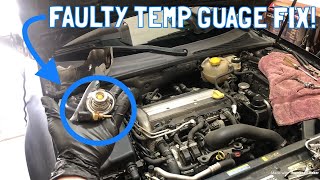
Many Saab mechanics and experienced owners recommend replacing the thermostat at the same time as the coolant temperature sensor. The parts are located near each other, and a faulty thermostat can cause similar symptoms to a bad sensor. Replacing both at once can save you from having to do the job twice.
🎬 See how to replace the thermostat and sensor together.Installation & Location

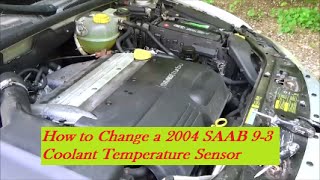
On the 1999-2005 Saab 9-3 with the 4-cylinder petrol engine, the coolant temperature sensor is located on the cylinder head, near the thermostat housing on the driver's side of the engine. It is often blue or black. The replacement is a straightforward job for a DIY mechanic with basic tools.
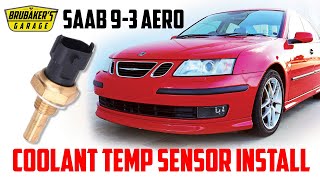
🎬 Follow this step-by-step video for a successful installation.- Let the engine cool completely.
- Release pressure from the cooling system by slowly opening the expansion tank cap.
- Locate the sensor and unplug the electrical connector.
- Using a 19mm deep socket, unscrew the old sensor. Some coolant will spill out, so have a rag and drain pan ready.
- Quickly screw in the new sensor to minimize coolant loss. Ensure the new sealing washer is in place.
- Tighten to the specified torque (typically 13-15 lbf ft), but do not overtighten.
- Reconnect the electrical plug and top off the coolant.
| Item | Cost |
|---|---|
| New Aftermarket Part | $15.18 - $57.43 |
| New OEM Part | $40 - $60 |
| Shop Labor | $110 - $161 |
Frequently Asked Questions
Where is the coolant temperature sensor on my 1999-2005 Saab 9-3?
For the 4-cylinder gasoline engines in this generation, the sensor is located on the cylinder head, near the thermostat housing, typically on the driver's side of the engine bay.
Do I need to drain all the coolant to replace the sensor?
No, you do not need to drain the entire system. However, some coolant will escape when you remove the old sensor. You can minimize the loss by having the new sensor ready to install immediately after removing the old one. Always top off the coolant level after the job is complete.
Can I drive with a bad coolant temperature sensor?
It is not recommended for long. While the car may enter a "limp mode" to protect itself, you will experience poor performance, terrible fuel economy, and could risk engine damage if the engine overheats without you knowing. It's best to get it replaced as soon as possible.
Are there any recalls for this part?
No, searches of the NHTSA database did not find any specific recalls for the engine coolant temperature sensor on the 1999-2005 Saab 9-3. There was a recall for the Ignition Discharge Module (IDM) which could cause stalling, but it is unrelated to the ECTS.
Helpful Videos
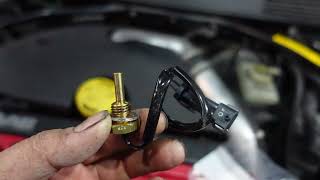
Technical Specifications
OEM Part Numbers: 15393755 9177213 5959283 4773586 4660585
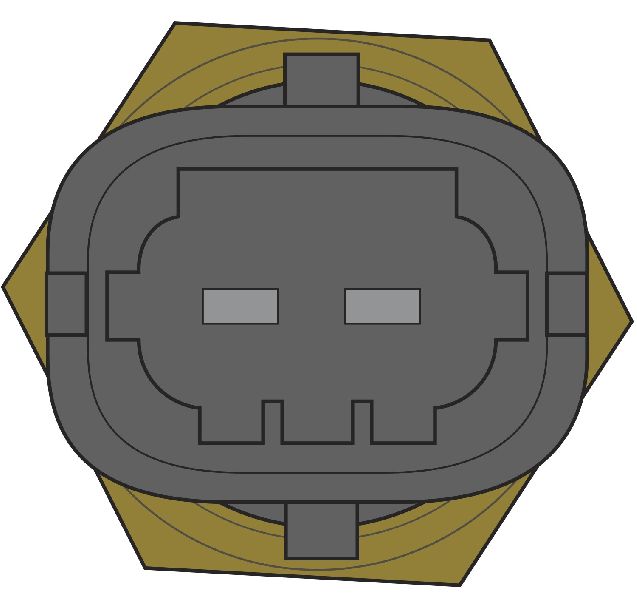
Connector: 2-Pin Female. Thread: Screw-in. Typically requires a 19mm deep socket for removal/installation.
We Have This Part in Stock


The information in this article is provided for general reference and educational purposes only. Vehicle specifications, procedures, and part compatibility can vary by production date, trim level, and region. Always consult your vehicle's factory service manual and verify part numbers before purchasing or performing repairs. Safety-critical components such as airbags, seat belts, and braking systems should be installed by a qualified professional.
- Saab 9-3: