

A Guide to Serpentine Belt Replacement for the 1999-2005 Saab 9-5
Choosing the right serpentine belt is critical for keeping your Saab 9-5 running smoothly.
- Verify your engine (4-cylinder or V6) before ordering, as they use different belts.
- Always inspect the tensioner and idler pulleys when replacing the belt; they are common failure points.
- A squealing noise is the most common warning sign that your belt needs attention.
- If the belt breaks, pull over immediately to prevent engine damage from overheating.
Signs of a Failing Serpentine Belt
A worn-out serpentine belt gives clear warning signs. If you notice any of these, it's time for an inspection.
- Squealing or Chirping Noises: This is the most common symptom. The noise, which may be worse on cold starts or when the A/C is on, is often caused by a worn, cracked, or glazed belt slipping on the pulleys. 🎬 Watch: How to diagnose common belt squeaks and squeals.
- Visible Wear: Look for cracks, fraying, missing ribs, or shiny, glazed spots on the belt. Any visible damage means the belt's integrity is compromised.
- Accessory Problems: If your power steering feels heavy, your battery light comes on, or your engine temperature starts to rise, it could be due to a slipping or broken belt.
Check Pulleys and Tensioners
A serpentine belt rarely fails without a cause. Often, a failing belt tensioner or a seized idler pulley is the real problem. These components keep the belt tight and aligned. If a pulley is bad, it can shred a brand-new belt quickly. When replacing your belt, always spin each pulley by hand. They should spin smoothly and quietly with no wobble or roughness. If you hear grinding or feel resistance, that pulley must be replaced. 🎬 See how to replace the top idler pulley yourself. It is common practice to replace the belt and tensioner together.
Choosing the Right Aftermarket Belt
The most common mistake is ordering the wrong belt. The 1999-2005 Saab 9-5 was available with a 4-cylinder or a V6 engine, and they use different belts. Always confirm your engine type before ordering. Using your vehicle's VIN is the surest way to get the correct part.
Aftermarket belts from reputable brands offer excellent quality, often meeting or exceeding original equipment (OE) standards. For a European car like Saab, brands that are known OE suppliers are a great choice.
Brand Quality Tiers
- Premium Aftermarket (Continental, Gates): These brands are widely respected in the automotive community and are often the original manufacturer for many car brands. They are known for durability and quiet operation. Continental is a popular choice for European vehicles.
- Quality Standard (Dayco): Dayco is a well-regarded brand that offers a great balance of performance and value. It is a reliable choice for a daily driver and is trusted by many mechanics.
| Part Type | Estimated Cost |
|---|---|
| New Aftermarket | $20.64 - $65.49 |
| Shop Labor | $100 - $190 |
| Total Replacement (Shop) | $162 - $259 |
Pro Tip: Take a Picture
Before you remove the old belt, take a clear picture of the belt's routing path with your phone. This simple step can save you a lot of frustration by providing a clear diagram for how the new belt needs to be threaded around the various pulleys.
Frequently Asked Questions
How often should I replace my Saab 9-5's serpentine belt?
You should inspect the belt at every oil change or at least every 20,000 miles. A typical replacement interval is around 50,000 miles or five years, whichever comes first. However, if you see any signs of cracking, fraying, or glazing, replace it immediately regardless of mileage.
Is the serpentine belt for the V6 engine different from the 4-cylinder?
Yes, they are different. The 3.0L V6 and the 2.3L 4-cylinder engines have different accessory layouts and require belts of different lengths. It is essential to purchase the correct belt for your specific engine to avoid installation problems.
What happens if the serpentine belt breaks while driving?
If the belt breaks, you will immediately lose power to the alternator, power steering, and water pump. Your battery will stop charging, steering will become very difficult, and the engine will begin to overheat rapidly. You should pull over safely as soon as possible and turn off the engine to prevent catastrophic damage.
Can I replace the serpentine belt myself?
For a DIYer with some experience, this is a manageable job, especially on the more common 4-cylinder engine. It requires basic hand tools, a jack and jack stands, and a serpentine belt tool or breaker bar. However, access is tight and requires removing the passenger-side wheel, inner fender liner, and a motor mount. If you are not comfortable with this, it is best to leave it to a professional.
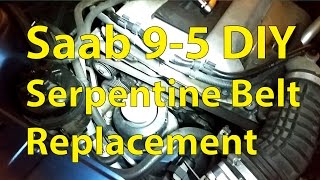
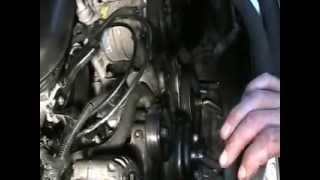
🎬 Watch this complete DIY walkthrough for belt and pulley replacement.Helpful Videos


Technical Specifications
OEM Part Numbers: 4899548
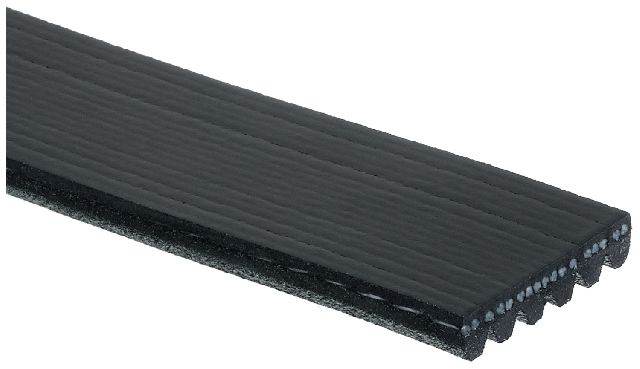
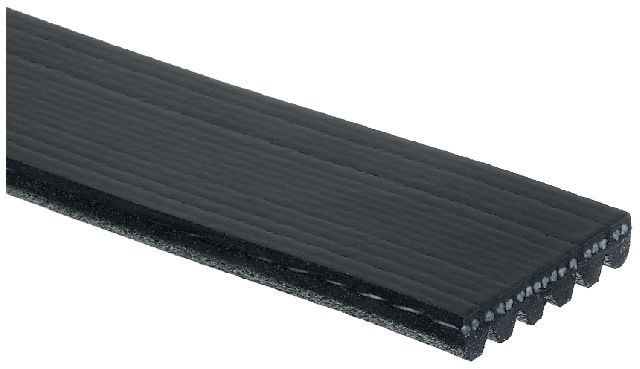
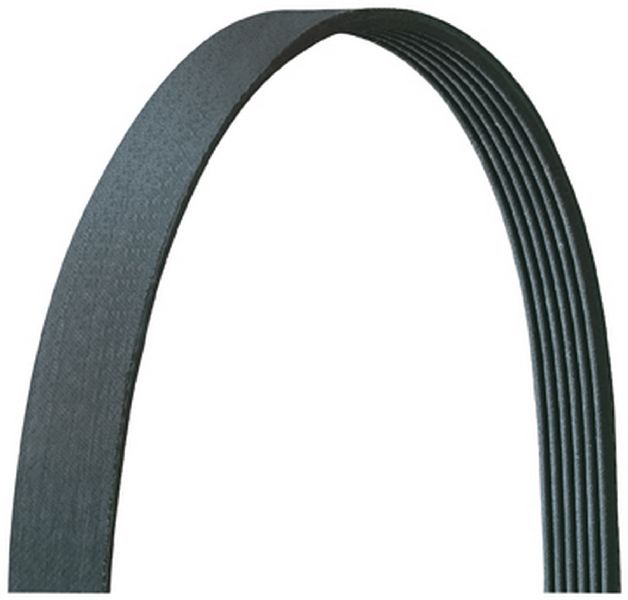
The serpentine belt for the Saab 9-5 is a multi-rib (or poly-groove) belt. Common sizes for the 4-cylinder engine are 6K2612 (6 ribs, 2612mm length) or 6K2415, depending on the specific routing and year. The V6 engine uses a different size. Always verify fitment for your specific vehicle.
We Have This Part in Stock

The information in this article is provided for general reference and educational purposes only. Vehicle specifications, procedures, and part compatibility can vary by production date, trim level, and region. Always consult your vehicle's factory service manual and verify part numbers before purchasing or performing repairs. Safety-critical components such as airbags, seat belts, and braking systems should be installed by a qualified professional.
- Saab 9-5: