

A Guide to Replacing Cab Corners on a 1999-2006 Chevrolet Silverado 1500
If you own a 1999-2006 Silverado 1500, you're likely familiar with rust, especially on your cab corners.
- Rust on the cab corners is an extremely common problem for 1999-2006 Silverado 1500s due to a design that traps moisture.
- Aftermarket steel weld-in panels are the standard repair method; slip-on covers are a cosmetic-only, temporary fix.
- Replacement is a complex job requiring cutting, welding, and painting, and is best left to a professional body shop.
- While the part is inexpensive, expect the majority of the cost to come from labor. Inspecting and potentially replacing rocker panels at the same time is a good idea.
Is This a Common Problem?

Yes, rust on the cab corners is a very common issue for the 1999-2006 Chevrolet Silverado 1500 generation. This is often due to a design where moisture, salt, and dirt get trapped behind the panel, leading to rust from the inside out. Over time, what starts as a small bubble in the paint can turn into a large hole, affecting the truck's appearance and value.
Choosing the Right Aftermarket Cab Corner

When it comes to replacing your cab corners, you'll find several aftermarket options. Since OEM (Original Equipment Manufacturer) parts for this repair are often just the entire cab side and very expensive, aftermarket panels are the go-to choice.
| Brand Tier | Description | Best For |
|---|---|---|
| Replacement Brand (Good) | This is a widely available and affordable option. These panels are designed to be a direct fit and are typically made from steel with a protective black coating to prevent future corrosion. While the metal thickness may not always be as substantial as premium brands, they offer a cost-effective solution for rust repair. Fitment is generally good, but may require some minor adjustments during installation. | DIYers and budget-conscious owners looking for a functional and affordable repair. | 🎬 Learn how to quickly repair rust on your truck's cab corners.
| Slip-On Covers (Cosmetic) | These are not replacement panels but covers made of plastic or thin steel that go over the existing rusted area. They are attached with adhesive or rivets. While they can improve the appearance quickly and cheaply, they do not fix the underlying rust problem, which can continue to spread underneath. | A temporary, purely cosmetic fix. Not recommended for a long-term, quality repair. |
Known Issues, Recalls, and TSBs
There are no specific recalls or Technical Service Bulletins (TSBs) from Chevrolet for cab corner rust on the 1999-2006 Silverado 1500. This is considered a cosmetic and wear-and-tear issue. The problem is well-documented in owner forums and by auto body professionals as a common flaw. The primary cause is moisture getting trapped in the seam where body panels come together.
A Note on Installation
Replacing a cab corner is a significant job that requires cutting, welding, and painting. This is not a simple bolt-on part. The old, rusted metal must be completely cut out. The new panel is then welded into place, ground smooth, and finished with body filler before being primed and painted to match the truck. If you are not experienced with auto body work, it is highly recommended to have this repair done by a professional body shop.
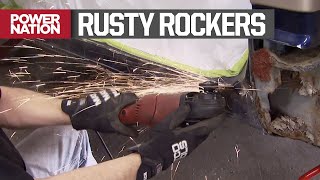
🎬 See how professionals handle rusted rocker panel and corner replacement.Cost to Replace a 1999-2006 Silverado 1500 Cab Corner

The cost of the part itself is relatively low. The main expense comes from the labor involved in the replacement process.
| Part/Service | Estimated Cost |
|---|---|
| New Aftermarket Cab Corner (per side) | $57 - $88 |
| Shop Labor & Materials (per side) | $400 - $800+ |
| Total Professional Repair (per side) | $457 - $888+ |
Pro Tip: While you are replacing the cab corners, it's a good idea to inspect the rocker panels as well, as they are also a common rust area on these trucks and are often replaced at the same time.
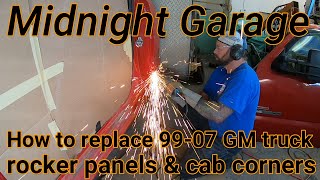
🎬 Watch a full walkthrough of replacing rockers and cab corners.Frequently Asked Questions

Do I need to replace the inner cab corner too?
It depends on the extent of the rust. In many cases, the rust is limited to the outer panel. However, if the rust has spread to the inner structure, that will also need to be cut out and repaired with new metal. A thorough inspection after cutting off the outer panel is necessary.
Can I use panel adhesive instead of welding?
While some modern panel bonding adhesives are very strong, welding is the traditional and most recommended method for a structural repair like this. Using adhesive may also help reduce future corrosion. For a DIY repair, some opt for adhesive, but for long-term durability, welding is preferred by most professionals.
Do I have to remove the truck bed to replace the cab corner?
It is highly recommended. Removing the bed provides much better access to the entire cab corner, making it easier to cut, weld, and finish the repair properly. While some attempt the repair with the bed on, the results are often compromised.
How can I prevent my new cab corners from rusting?
After the repair, ensure the inside of the panel is treated with a corrosion inhibitor or weld-through primer. Proper seam sealing after welding is also crucial to keep moisture out. Regularly washing your truck, especially the undercarriage, can help prevent the buildup of salt and dirt that causes rust.
Helpful Videos
Technical Specifications
Material: Stamped Steel Finish: Black E-coat (protective coating) Installation Method: Weld-on Fitment: Specific to cab configuration (Standard, Extended, or Crew Cab)

The information in this article is provided for general reference and educational purposes only. Vehicle specifications, procedures, and part compatibility can vary by production date, trim level, and region. Always consult your vehicle's factory service manual and verify part numbers before purchasing or performing repairs. Safety-critical components such as airbags, seat belts, and braking systems should be installed by a qualified professional.
- Chevrolet Silverado 1500: