

A Jetta Owner's Guide to Oxygen Sensor Replacement for 1999-2006 Models
Fix your check engine light and poor fuel economy by understanding and replacing your Jetta's oxygen sensor.
- Bosch is the original equipment (OE) supplier; choosing Bosch is a safe bet for quality and fitment.
- Always confirm if you need the upstream (front) or downstream (rear) sensor before purchasing, as they are different parts.
- Use a direct-fit sensor to avoid cutting and splicing wires, which can cause future electrical issues.
- Applying penetrating fluid to the old sensor before removal can make the job much easier, as they are often seized in the exhaust.
Is Your Jetta's Oxygen Sensor Failing?

A bad oxygen sensor can cause a range of problems, from annoying to potentially damaging. The most common sign is a solid Check Engine Light on your dashboard. You might also notice your fuel economy getting worse, a rough or unstable idle, or a hesitation when you accelerate. In some cases, you may smell a sulfur or "rotten egg" odor from the exhaust. Ignoring these signs can lead to more serious issues, including damage to your catalytic converter, which is a much more expensive repair.
Check Engine Light Codes
A code reader can help you confirm an O2 sensor issue. Common codes for the Mk4 Jetta include P0135 (O2 Sensor Heater Circuit, Bank 1 Sensor 1), P0141 (O2 Sensor Heater Circuit, Bank 1 Sensor 2), P0171 (System Too Lean), and P0420 (Catalyst System Efficiency Below Threshold).
Choosing the Right Aftermarket Oxygen Sensor

When it comes to electronics on a Volkswagen, quality matters. While OEM is an option, many aftermarket brands provide excellent quality, sometimes from the same factory that supplies VW.
- Premium Brands (OEM Equivalent): Bosch is widely recognized as the original equipment manufacturer (OEM) for Volkswagen during this period. Choosing a Bosch sensor is the closest you can get to the original part. Denso and NGK/NTK are also top-tier brands with a strong reputation for quality and reliability that meet or exceed OE specifications.
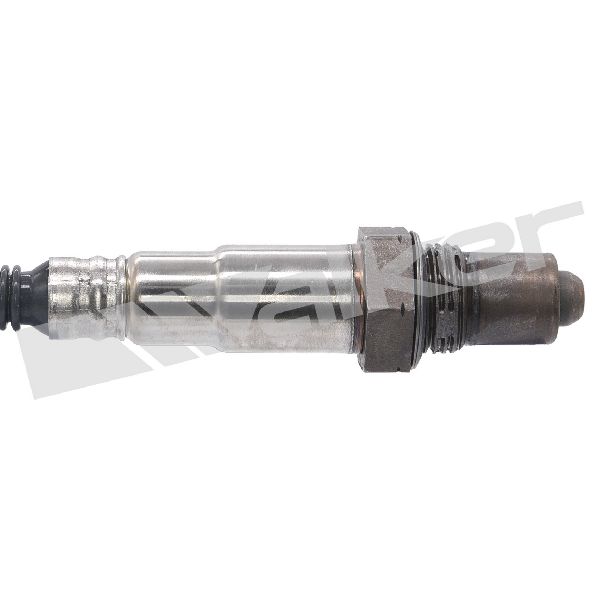
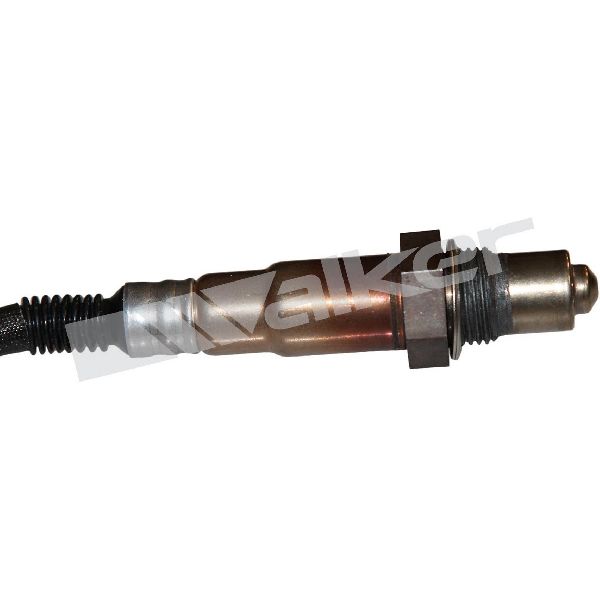
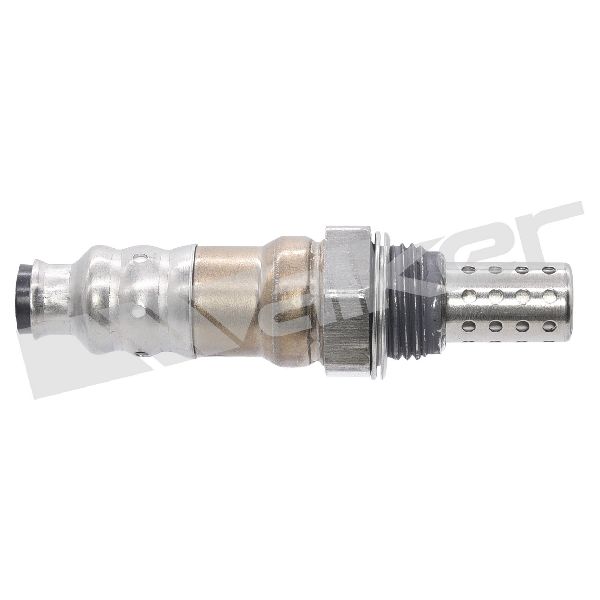
- Mid-Tier Brands: Brands like Delphi and Walker Products offer a good balance of quality and price. They are generally reliable and a solid choice if a premium brand isn't in the budget.
- Budget Brands: Brands like DriveWire, URO Parts, and Facet offer the most affordable options. While they can get the job done, their long-term reliability and sensor accuracy can sometimes be inconsistent compared to premium brands. Some owners have reported needing to replace budget sensors more frequently.
Direct-Fit vs. Universal
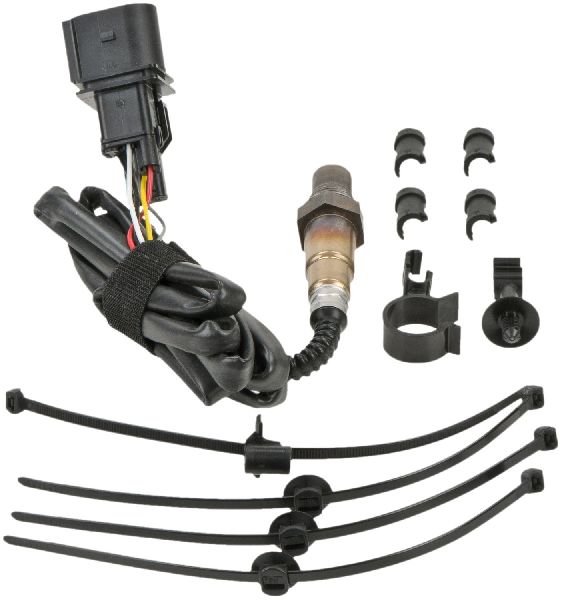
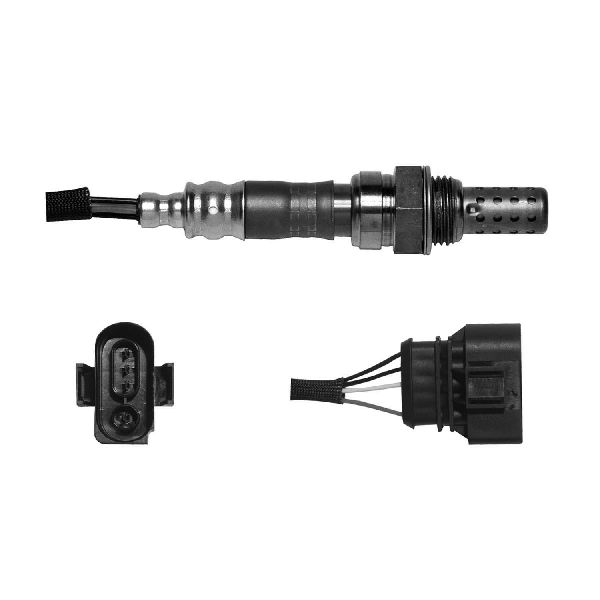
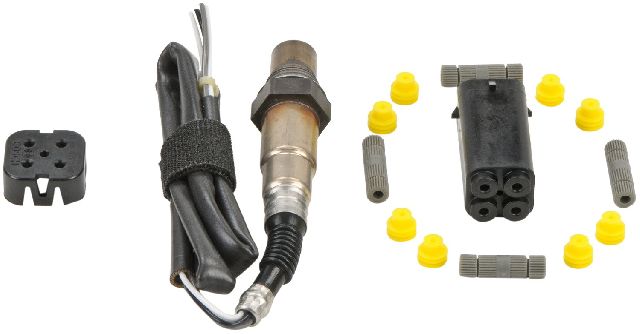
Always choose a "direct-fit" sensor. These come with the correct-length wires and factory-style electrical connector for your Jetta, making installation much easier. Universal sensors require you to cut and splice wires, which can lead to connection problems.
Cost of Replacing a Jetta Oxygen Sensor
| Item | Estimated Cost |
|---|---|
| New OEM Sensor | $150 - $250 |
| New Aftermarket Sensor | $30 - $215 |
| Shop Labor | $100 - $200 |
| Total (DIY Aftermarket) | $30 - $215 |
| Total (Shop-Installed Aftermarket) | $130 - $415 |
Frequently Asked Questions


How many oxygen sensors does my 1999-2006 Jetta have?
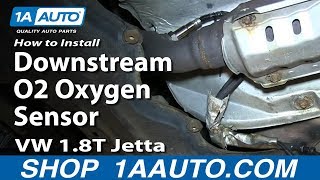
Most 1999-2006 Jettas have two oxygen sensors. One is located before the catalytic converter (upstream, Bank 1 Sensor 1) and measures the initial exhaust gases. The second is located after the catalytic converter (downstream, Bank 1 Sensor 2) and monitors the converter's efficiency. The electrical connectors are often color-coded (black and brown) to prevent mixing them up.
What's the difference between the upstream and downstream sensor?
The upstream (front) sensor is the primary sensor used by the engine computer to make real-time adjustments to the air-fuel mixture. The downstream (rear) sensor's main job is to check if the catalytic converter is working correctly. They are often different parts and are not interchangeable.
Can I replace just one sensor?
Yes, you can replace only the sensor that has failed. However, oxygen sensors wear out over time. If your Jetta has high mileage (over 80,000 miles), it's often recommended to replace them in pairs, as the other original sensor may fail soon after.
What tools do I need for the replacement?
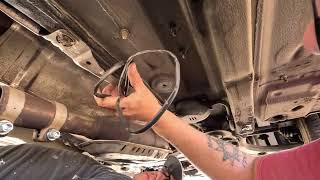
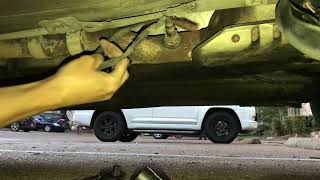
You will need a special oxygen sensor socket, which has a slot for the wire to pass through. You'll also need a ratchet, possibly an extension, and penetrating fluid to help loosen the old sensor, which can be seized in the exhaust pipe. Jack stands are required for safely accessing the downstream sensor.
Are there any recalls or TSBs for my Jetta's O2 sensor?
While there were no widespread recalls specifically for oxygen sensors on the 1999-2006 Jetta, Volkswagen has issued Technical Service Bulletins (TSBs) for later models related to O2 sensor software and heater circuits (P2414, P2237). A TSB for 2001 models also noted potential front oxygen sensor faults. This highlights the importance of using a quality sensor to avoid issues. No relevant recalls for the 1999-2006 model years were found via NHTSA searches.
Helpful Videos
Technical Specifications
OEM Part Numbers: 06K906262H
Most 1999-2006 VW Jetta models use a heated, 4-wire or 5-wire oxygen sensor. The upstream sensor is often a wideband Air/Fuel ratio sensor, while the downstream is a narrowband oxygen sensor. Connectors are typically black or brown for identification.
We Have This Part in Stock

The information in this article is provided for general reference and educational purposes only. Vehicle specifications, procedures, and part compatibility can vary by production date, trim level, and region. Always consult your vehicle's factory service manual and verify part numbers before purchasing or performing repairs. Safety-critical components such as airbags, seat belts, and braking systems should be installed by a qualified professional.
- Volkswagen Jetta: