

A Guide to Aftermarket Brake Pads for the 1999-2007 Audi TT
Find the right stopping power for your Mk1 Audi TT, from quiet daily driving to high-performance applications.
- Confirm your TT model (180hp, 225hp, or V6) before buying, as brake sizes differ.
- For daily driving with less wheel dust, choose a premium ceramic pad like Akebono or EBC Redstuff.
- Performance pads from brands like Hawk or Ferodo offer better stopping power but may create more noise and dust.
- Always clean and lubricate caliper guide pins during replacement to prevent sticking, a common TT issue.
Symptoms of Worn Brake Pads
Your Audi TT will give you clear signs when it's time for new brake pads. Ignoring them can lead to more expensive repairs. The most common warning is a brake pad warning light on your dashboard. This light is triggered by a sensor built into the inner brake pad on the driver's side front wheel. As the pad wears down, the sensor makes contact with the rotor, completing a circuit and turning on the light.
- Squealing or Grinding Noises: High-pitched squealing when you brake usually means the pads are thin. Grinding is more serious and suggests the pads are completely worn away, causing metal-to-metal contact with the rotors.
- Vibration or Pulsing: If you feel a pulsing in the brake pedal or vibration through the steering wheel, your brake rotors might be warped, often from heat caused by worn pads.
- Longer Stopping Distance: If your car takes longer to stop than it used to, your brake pads are likely worn out and can't create enough friction.
- Excessive Brake Dust: While some dust is normal, a sudden increase on your wheels can indicate that the pads are wearing away quickly.
Choosing the Right Aftermarket Brake Pads
When shopping for new brake pads, it's important to know that not all pads are created equal. Aftermarket options can offer significant advantages over original equipment (OEM) pads, depending on your driving style. It's also critical to know which Audi TT model you have. The 180hp, 225hp, and 3.2L V6 models can have different brake sizes (e.g., 312mm front rotors on the 225hp model), so you must buy pads that fit your specific vehicle.
Brake Pad Tiers for Audi TT
| Tier | Description & Brands |
|---|---|
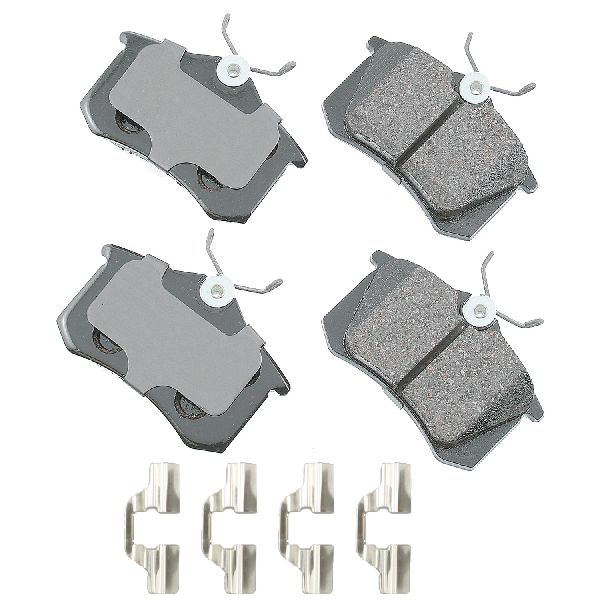
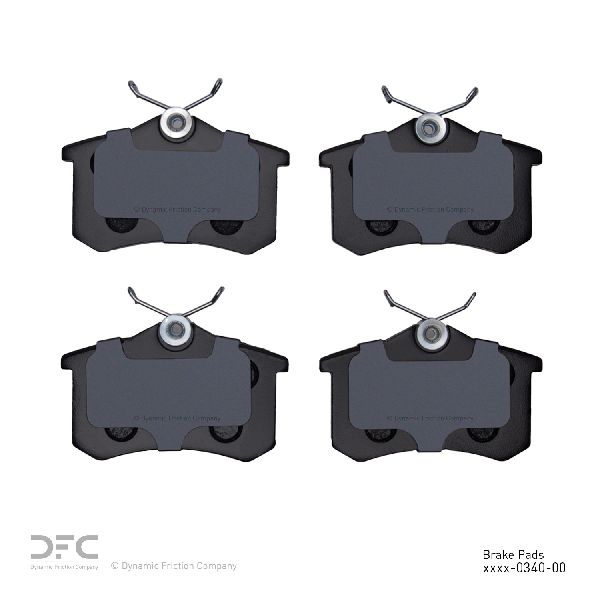
| Economy / Daily Driver | These pads are designed for quiet, reliable, everyday use. They are a cost-effective solution and often produce less dust than stock pads. Brands in this category include Centric, Dynamic Friction, Wagner, and Raybestos. |
| Premium / OEM-Equivalent | This tier offers quality that meets or exceeds the original factory pads. They provide a great balance of performance, low noise, and durability. Many owners prefer these for their reduced brake dust. Look for brands like Akebono, ATE, Textar, Pagid, Brembo (standard line), and Zimmermann. Textar and Zimmermann are often the original equipment manufacturers for Audi. |
| Performance / Street & Track | For spirited driving or occasional track days, performance pads offer superior stopping power and heat resistance. The trade-off can be more noise and dust. Popular choices include EBC (Greenstuff, Redstuff, Yellowstuff), Hawk Performance, Ferodo (DS2500), and StopTech. EBC Redstuff pads are often praised by TT owners for having a strong initial bite with very little dust. |
Known Issues & Common Mistakes
A common problem on the Mk1 TT is sticking or seized brake calipers, which can cause pads to wear out prematurely and the car to feel like it's dragging. This is often caused by corrosion on the caliper guide pins or within the rubber bushings they slide in. When replacing pads, it is crucial to clean and lubricate these pins to ensure the caliper can move freely. Additionally, the brake pad wear sensor can be fragile and sometimes gives false warnings if the wire is damaged or the connector is loose.
Frequently Asked Questions (FAQ)
Do I need to replace my rotors with my brake pads?
It is highly recommended. New pads work best on a fresh, flat rotor surface. Installing new pads on old, worn, or grooved rotors can reduce performance, cause noise, and lead to uneven pad wear. Many owners choose to replace both at the same time for best results.
What is the difference between ceramic and semi-metallic pads?
Ceramic pads, like those from Akebono or EBC Redstuff, are known for being very quiet and producing minimal, light-colored dust, making them great for daily driving. Semi-metallic pads typically offer better performance in aggressive driving and have a stronger initial "bite," but they can be noisier and produce more dark-colored dust.
What is "bedding-in" and do I need to do it?
Yes. Bedding-in is the process of transferring a thin, even layer of friction material from the new pads onto the rotors. This is critical for optimal performance and preventing vibrations. The process usually involves a series of controlled stops from moderate speeds to heat up the brakes without coming to a complete stop. Always follow the manufacturer's specific break-in procedure.
My new pads don't have a wear sensor. What should I do?
Some aftermarket pads, especially performance-oriented ones, do not come with a wear sensor. If your new pads lack a sensor, you can either bypass the system by cutting and splicing the two wires from the car's harness together to close the circuit and turn off the dash light, or simply check your pads for wear more frequently. If you don't bypass it, the warning light will stay on.
What tools are needed for a rear brake pad replacement?
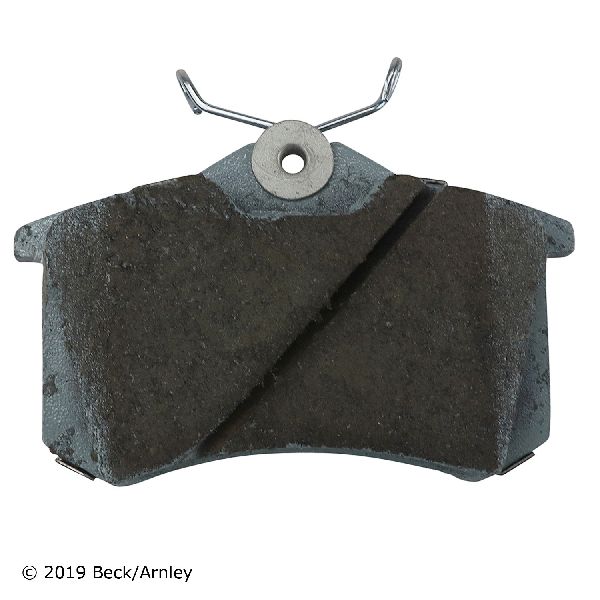
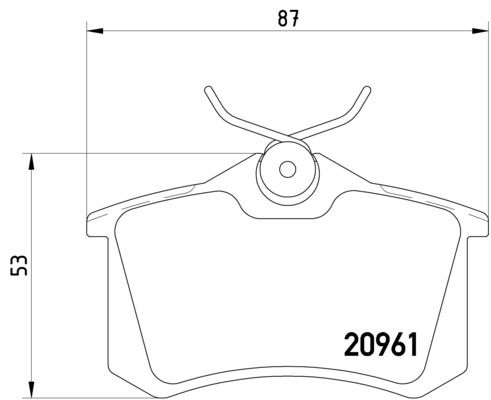
The rear calipers on an Audi TT require a special tool to retract the piston. Unlike the front pistons which can be pushed straight back, the rear pistons must be rotated and pushed simultaneously. A caliper wind-back tool is essential for this job. Attempting to use a C-clamp will not work and can damage the caliper.
Technical Specifications
OEM Part Numbers: 1J0615115 8V0698151 3C0698151C 5Q0698151 8J0698151M
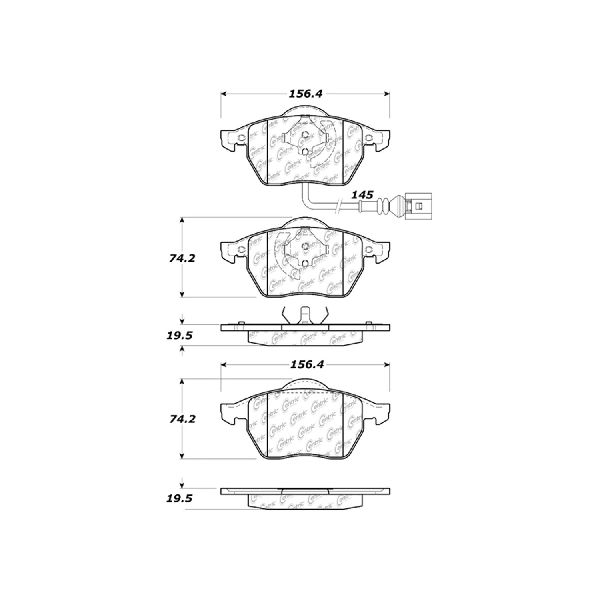
Brake pad sets for the 1999-2007 Audi TT vary based on the sub-model. Front rotor sizes are typically 288mm or 312mm. The front inner pad on the driver's side includes a wear sensor. Rear calipers require a special tool to rotate the piston for retraction.
We Have This Part in Stock

The information in this article is provided for general reference and educational purposes only. Vehicle specifications, procedures, and part compatibility can vary by production date, trim level, and region. Always consult your vehicle's factory service manual and verify part numbers before purchasing or performing repairs. Safety-critical components such as airbags, seat belts, and braking systems should be installed by a qualified professional.
- Audi TT: