

A Guide to the Engine Coolant Thermostat for the 1999-2007 Audi TT
If your TT's temperature gauge is acting strange, your thermostat might be the problem.
- A thermostat failing open (running cool) or closed (overheating) are both common issues that require attention.
- The plastic thermostat housing on 1.8T models is a known weak point; consider an upgraded aluminum replacement during the job.
- Many owners strongly recommend using a genuine Audi (OEM) thermostat for best performance and reliability, as some aftermarket versions can cause issues.
- Replacement on the 1.8T engine is a difficult job due to tight access, while the 3.2L VR6 is more straightforward.
Symptoms of a Failing Thermostat
A bad thermostat can fail in two ways: stuck open or stuck closed. Each has distinct symptoms.
If it's stuck open:
- Engine Runs Too Cool: The most common sign is the temperature gauge never reaching the normal 90°C (194°F) mark, especially when driving at speed.
- Poor Heater Performance: The cabin heater may only blow lukewarm air because the engine isn't getting hot enough.
- Check Engine Light: A thermostat stuck open can trigger the code P0128.
If it's stuck closed:
- Engine Overheating: The temperature gauge will climb into the red zone quickly. This is a serious condition that can cause major engine damage.
- Gurgling Noises: You might hear sounds from the engine as the coolant begins to boil.
- Coolant Leaks: Increased pressure from overheating can cause leaks. On the 1.8T engine, the plastic thermostat housing is a known weak point that can crack and leak coolant.
Known Issue: Plastic Housings on 1.8T Models
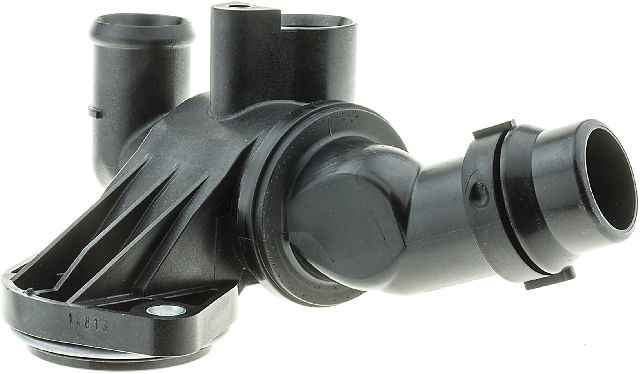
The original thermostat housing on the 1.8T engine is made of plastic. Over time, repeated heat cycles make this plastic brittle, leading to cracks and coolant leaks. When replacing your thermostat, it is highly recommended to replace the housing at the same time. Aftermarket suppliers offer upgraded cast aluminum housings that solve this problem permanently.
Choosing the Right Aftermarket Thermostat
When shopping for a new thermostat for your TT, you'll find several brands. Quality matters for this part, as a failure can have serious consequences. Forum discussions among TT owners often show a strong preference for genuine OEM parts due to inconsistencies in aftermarket performance.
Brand Quality Tiers
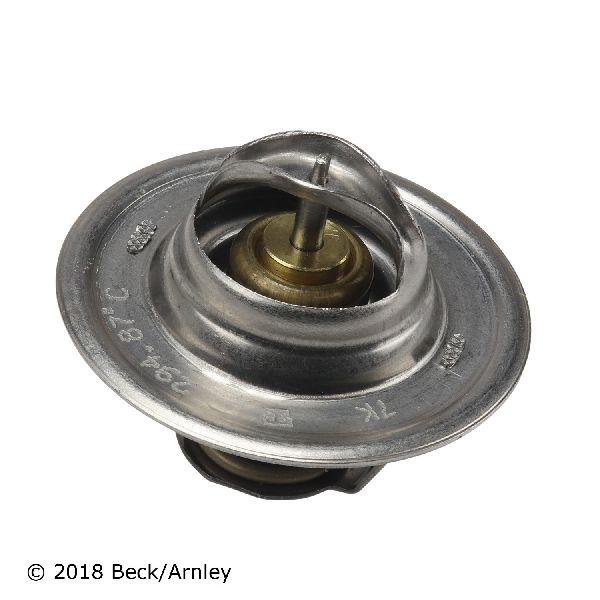
- Premium / OEM-Equivalent (Recommended): Brands like Beck Arnley, Calorstat, and Gates have a strong reputation. Calorstat is a known OEM supplier for many European vehicles. However, be aware that even a part from an OEM supplier sold on the aftermarket may not perform identically to the genuine Audi-branded part.
- Performance Upgrade: Mishimoto offers a "racing" thermostat that opens at a slightly lower temperature (180°F vs. the stock 188.6°F). This can help keep modified or hard-driven cars running cooler, but it is not necessary for a stock daily driver.
- Standard Aftermarket: Brands like Motorad, Stant, and Facet offer budget-friendly options. While they can be a good value, some owners have reported issues with early failure or incorrect temperature regulation. Given the difficult labor involved in a replacement, spending a little more for a premium part is a wise investment.
| Item | Estimated Cost |
|---|---|
| New Aftermarket Thermostat | $12 - $125 |
| New OEM Thermostat | $50 - $70 |
| Shop Labor | $250 - $500 |
| Total Professional Replacement | $265 - $625 |
Pro Tip: A Job for the Patient DIYer
Replacing the thermostat on the 1.8T engine is known for being a frustrating job due to its location behind the alternator in a very tight space. While it is possible to do at home, it requires long extensions, a flexible socket joint, and a lot of patience. The job on the 3.2L VR6 is generally considered easier.
Frequently Asked Questions
Is a genuine OEM thermostat really better than aftermarket?
For the Mk1 TT, many experienced owners and mechanics say yes. Forum members have conducted tests showing that some aftermarket thermostats, even from OEM suppliers, may not open as wide or at the exact same temperature as the genuine Audi part, which can cause the engine to run slightly hotter. For peace of mind, OEM is often the safest bet.
Should I replace the plastic thermostat housing at the same time?
Absolutely, especially on the 1.8T engine. The original plastic housing is a very common failure point that leads to coolant leaks. Since you'll already have everything apart, replacing it with a new plastic or upgraded aluminum housing is cheap insurance against having to do the job all over again.
How difficult is the replacement?
On the 1.8T, it's considered moderately difficult due to poor access. It can take a professional 1.5-3 hours, but may take a DIYer much longer. The 3.2L VR6 is easier, as the thermostat is more accessible after removing the airbox.
What kind of coolant should I use after the replacement?
You must use the correct coolant to protect your engine. For this generation of Audi TT, you should use a pink/violet G12, G12+, or the newer G13 coolant. Do not mix it with green or orange coolants. Always use distilled water if you are mixing it from concentrate.
Technical Specifications
OEM Part Numbers: 050121113C 022121111G
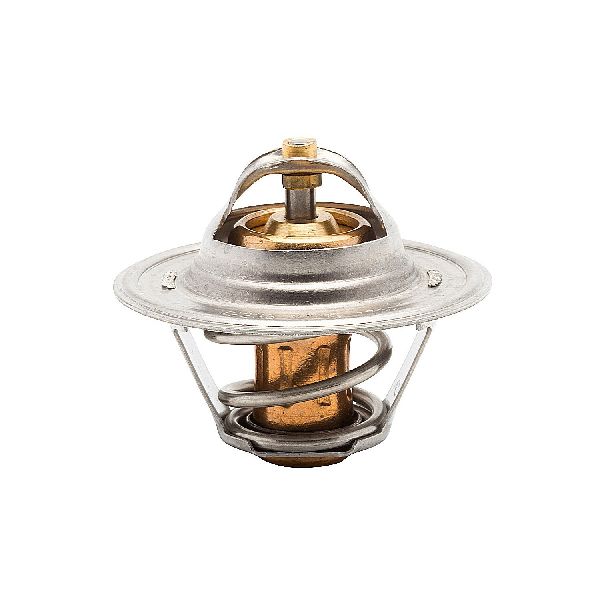
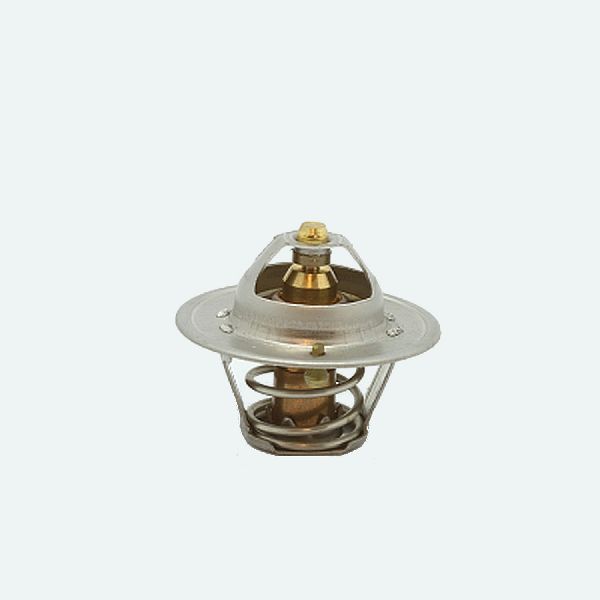
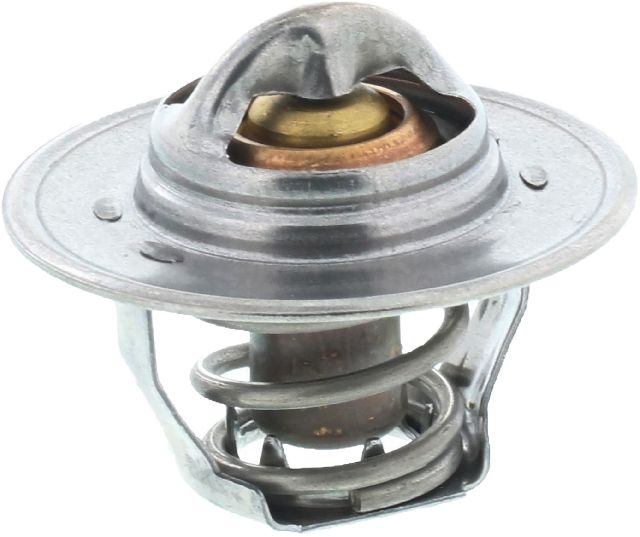
The standard thermostat for the Audi TT Mk1 opens at 87° Celsius (188.6° Fahrenheit). The 1.8T engine uses thermostat part number 050121113C. The 3.2L VR6 engine uses an integrated housing assembly, with the OEM number 022121111G.
We Have This Part in Stock


The information in this article is provided for general reference and educational purposes only. Vehicle specifications, procedures, and part compatibility can vary by production date, trim level, and region. Always consult your vehicle's factory service manual and verify part numbers before purchasing or performing repairs. Safety-critical components such as airbags, seat belts, and braking systems should be installed by a qualified professional.
- Audi TT: