

Audi TT (1999-2007) Intercooler Hose: A Comprehensive Guide
Fix boost leaks and restore lost power by understanding the intercooler hoses on your Mk1 Audi TT.
- A failing intercooler hose on a Mk1 TT will cause power loss and a hissing sound.
- Verify if your TT is a 180hp (single intercooler) or 225hp (dual intercooler) model before ordering parts.
- Aftermarket silicone hoses offer a durable, long-term upgrade over the original rubber parts.
- Replacing lower hoses is more involved and may require removing the front bumper for access.
Symptoms of a Failing Intercooler Hose
The original rubber hoses on the first-generation Audi TT are now over 15 years old. Over time, exposure to heat, oil, and pressure causes them to degrade. They can become soft, swell, or develop cracks, leading to a "boost leak." When a hose fails, you will notice several distinct symptoms.
A major leak will cause a noticeable loss of acceleration and a hissing or whistling sound from the engine bay when the turbo is supposed to be providing boost. You may also experience poor fuel economy, a rough idle, and in some cases, a check engine light. If a hose completely blows off its connection, the car may go into a low-power "limp mode" to protect the engine.
Choosing the Right Aftermarket Hose
When replacing a failed intercooler hose, you have a few options. The original equipment (OEM) hoses are made of rubber and are known to fail over time. Many owners see this as an opportunity to upgrade.
| Brand Tier | Description | Best For |
|---|---|---|
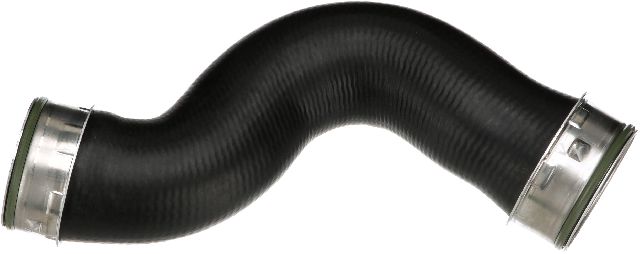
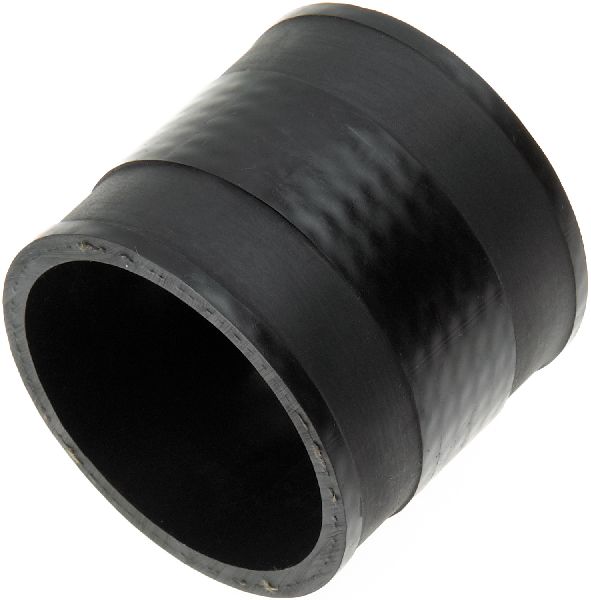
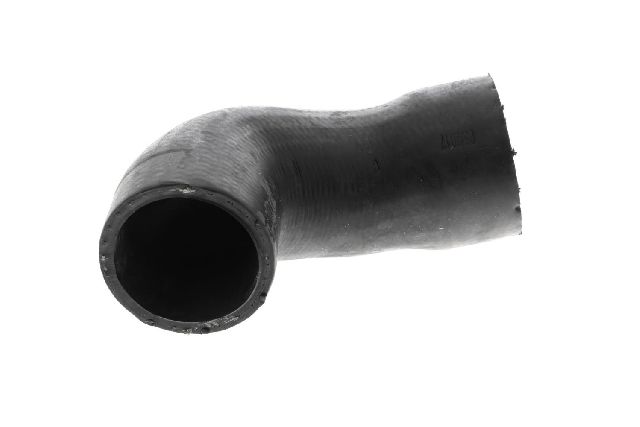
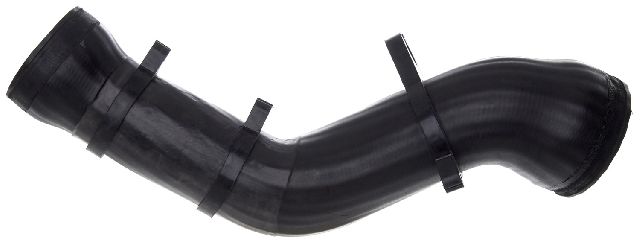
| Standard Replacement (Gates, Vaico) | These brands offer direct-fit rubber hoses that meet or exceed original specifications. They are a cost-effective solution for a stock vehicle. Gates is a well-regarded brand for rubber products like hoses and belts. | Daily drivers looking for a reliable, budget-friendly repair. |
| Performance Silicone (Upgrade) | Silicone hoses are a popular upgrade. They are more durable than rubber and can withstand higher temperatures and pressures, making them ideal for tuned or high-performance vehicles. They often feature reinforced layers and a fluorosilicone liner to resist oil degradation. | Tuned cars or owners seeking maximum durability and longevity. |
Common Ordering Mistake
The 1999-2007 Audi TT was available in 180hp and 225hp versions. The 180hp models have a single intercooler on the passenger side, while the 225hp models have dual intercoolers (one on each side). This means the hose configurations are different. Always verify your engine type before ordering to ensure you get the correct parts.
Known Issues, Recalls, and Bulletins
There are no specific recalls or Technical Service Bulletins (TSBs) from Audi or the NHTSA for intercooler hose failure on the 1999-2007 TT. However, boost leaks from various hoses in the turbo system are a very common problem discussed by owners in forums. The factory spring clamps can also weaken over time, and a hose can pop off under boost even if the hose itself is not cracked. Many owners choose to replace the factory clamps with stronger T-bolt style clamps when installing new hoses.
Frequently Asked Questions (FAQ)
What is a boost leak?
A boost leak is when pressurized air from the turbocharger escapes from the intake system before it reaches the engine. This is most often caused by a cracked hose, a loose connection, or a failed clamp. The result is a loss of power, poor fuel economy, and potentially other engine issues.
Is it difficult to replace an intercooler hose on a Mk1 TT?
Replacement difficulty varies depending on which hose has failed. Some hoses are easily accessible from the top of the engine bay. Others, particularly the lower hoses connecting to the intercoolers, may require removing the front bumper, headlights, and wheel arch liners for access. While it can be a DIY job for those with mechanical experience, it can be time-consuming.
Should I replace all the hoses at once?
If one hose has failed due to age, it's likely the others are in similar condition. While it costs more upfront, replacing all the main boost hoses at the same time can be a good preventative measure, especially if you are already removing the front bumper for access.
What's the difference between OEM rubber and aftermarket silicone hoses?
OEM hoses are made from rubber, which is effective but can degrade and crack over many years of heat cycles. Aftermarket silicone hoses are more resistant to heat, pressure, and oil. They often have multiple layers of reinforcement and are considered a lifetime upgrade, especially for modified cars.
Technical Specifications
OEM Part Numbers: 06A145832M 06A145710P 8N0145838 8N0145834A
Varies by engine code (e.g., AMU, APX, BEA) and horsepower (180hp vs. 225hp). Hoses connect the turbocharger, intercooler(s), and throttle body.
We Have This Part in Stock

The information in this article is provided for general reference and educational purposes only. Vehicle specifications, procedures, and part compatibility can vary by production date, trim level, and region. Always consult your vehicle's factory service manual and verify part numbers before purchasing or performing repairs. Safety-critical components such as airbags, seat belts, and braking systems should be installed by a qualified professional.
- Audi TT: