

Audi TT (1999-2007) Serpentine Belt: A Comprehensive Replacement Guide
Keep your Mk1 TT's engine accessories running smoothly by understanding when and why to replace your serpentine belt.
- A squealing noise is the number one sign of a worn serpentine belt or failing tensioner.
- Always inspect the belt tensioner when replacing the belt; they are a common failure point and are often replaced together.
- On the 1.8T engine, the serpentine belt does NOT drive the water pump, so a broken belt will not cause immediate overheating.
- High-quality aftermarket brands like Gates and Dayco offer reliable, cost-effective alternatives to expensive OEM parts.
Signs of a Failing Serpentine Belt
A worn serpentine belt will give you clear warning signs before it fails completely. Ignoring these can leave you stranded, as a broken belt will cause the loss of power steering and stop the alternator from charging your battery. Pay attention to these symptoms:
- Squealing or Chirping Noises: This is the most common sign. A high-pitched squeal, especially when you first start the engine or accelerate, usually means the belt is old, worn, or slipping.
- Visible Wear and Tear: A visual check can tell you a lot. Look for cracks, frayed edges, missing chunks of rubber from the ribs, or a glazed, shiny surface. Any of these mean it's time for a replacement.
- Accessory Problems: If your battery warning light comes on, your power steering feels heavy, or the A/C isn't blowing cold, the belt might be slipping and unable to power those components properly.
- Rattling or Grinding Noises: While a bad belt can make noise, a rattling or grinding sound often points to a failing belt tensioner or a bad pulley bearing. The tensioner is a common failure point and should always be inspected when replacing the belt.
A Note on the Belt Tensioner
Often, the belt itself isn't the root cause of noise or failure. The automatic belt tensioner, which keeps the belt tight, can wear out. Its internal spring can weaken or the pulley bearing can fail, causing noise and allowing the belt to slip or even come off completely. It is highly recommended to inspect the tensioner and idler pulleys for roughness, wobble, or noise when you replace your belt. Many mechanics advise replacing the tensioner at the same time as the belt as a smart preventative measure.
Choosing the Right Aftermarket Serpentine Belt
For a vehicle like the Mk1 Audi TT, you don't need to pay dealership prices for a quality serpentine belt. The original belts were often made by brands like Continental or Gates, which are available as aftermarket parts. High-quality aftermarket brands offer excellent performance and value.
- Premium Brands (Gates, Continental): Gates is a highly respected brand known for producing durable belts that meet or exceed OEM specifications. They are a trusted choice for mechanics and a reliable, cost-effective option for your TT. Continental is another top-tier choice and was often the original supplier for Audi.
- Value Brands (Dayco): Dayco is generally considered a solid mid-tier brand that offers good performance for the price. While some users find them slightly stiffer than OEM belts, they are a dependable option.
Pro Tip: When shopping, you'll see belts made from EPDM rubber. This is a modern, durable material that resists cracking and lasts longer than older rubber compounds. Both Gates and Dayco use EPDM for their belts.
Estimated Replacement Costs
Costs can vary based on your location and whether you do the work yourself. The belt itself is inexpensive, but labor or replacing the tensioner will add to the total.
| Part/Service | Estimated Cost |
|---|---|
| New Aftermarket Serpentine Belt | $5.74 - $43.93 |
| New OEM Serpentine Belt | $30 - $60 |
| Shop Labor | $100 - $200 |
| Total (Shop Installed) | $130 - $260 |
Note: Costs are estimates. Replacing the belt tensioner at the same time could add $50 - $150+ to the total cost.
Frequently Asked Questions
What's the difference between a serpentine belt and a timing belt?
They are two separate and critical parts. The serpentine belt runs the accessories on the outside of the engine (alternator, power steering). The timing belt is inside the engine under a cover and keeps the engine's camshaft and crankshaft synchronized. On the 1.8T engine, timing belt failure will cause catastrophic engine damage, while a broken serpentine belt will just leave you stranded.
How often should I replace my TT's serpentine belt?
There is no strict interval from Audi, but most mechanics recommend inspecting it at every oil change and replacing it every 60,000 to 100,000 miles as preventative maintenance. However, due to age, a belt on a 1999-2007 TT should be replaced if it shows any signs of cracking or fraying, regardless of mileage.
Can I replace the serpentine belt myself?
Yes, for a DIY mechanic with the right tools, this is a manageable job. You will need a long 16mm or 17mm wrench to release the tension on the automatic belt tensioner. It's important to have a diagram of the belt routing before you start, as it can be tricky to remember. Access is tight, but it does not typically require removing wheels or many other components on the 1.8T.
Were there any recalls for the serpentine belt on the 1999-2007 Audi TT?
No, there have been no specific recalls or widespread Technical Service Bulletins (TSBs) issued by Audi or the NHTSA for the serpentine belt system on the 1999-2007 Audi TT. However, belt tensioner failure is a commonly reported issue in owner forums.
Technical Specifications
OEM Part Numbers: 06A260849C 06A260849E
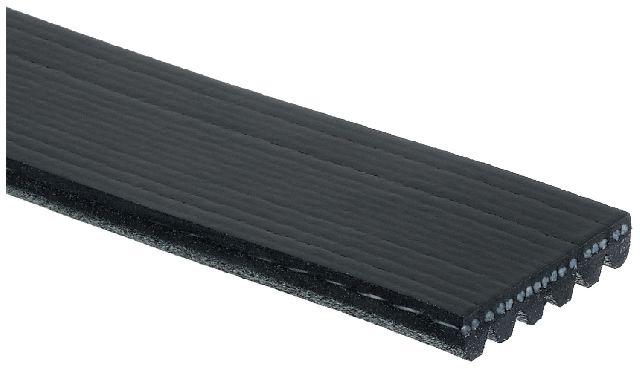
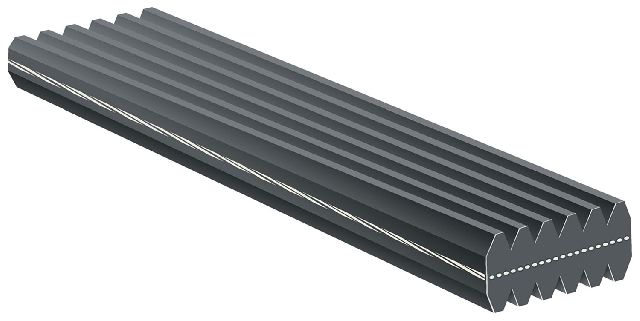
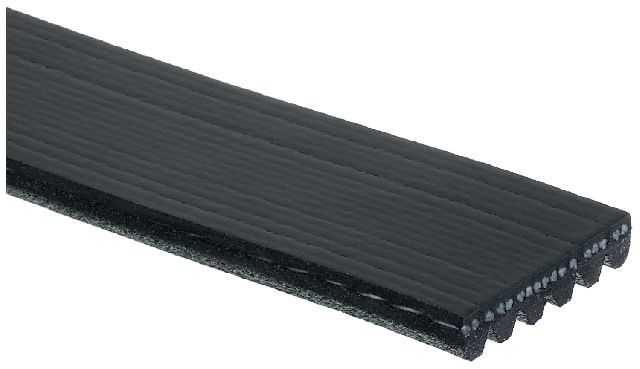
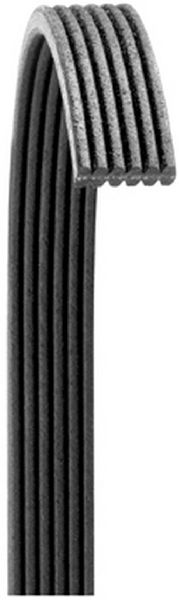
The most common belt for the 1.8T engine is a 6-rib EPDM belt, often with a length of around 1195mm (double-sided) or 1120-1125mm (single-sided), depending on the specific routing and accessories. Always verify the correct part number for your specific vehicle.
We Have This Part in Stock

The information in this article is provided for general reference and educational purposes only. Vehicle specifications, procedures, and part compatibility can vary by production date, trim level, and region. Always consult your vehicle's factory service manual and verify part numbers before purchasing or performing repairs. Safety-critical components such as airbags, seat belts, and braking systems should be installed by a qualified professional.
- Audi TT: