

A Deep Dive into Suspension Stabilizer Bar Bushings for the 1999-2007 Audi TT
If you're hearing clunks, bangs, or squeaks from your front end, your stabilizer bar bushings are the likely culprit.
- Clunking over bumps is the #1 sign of bad stabilizer bar bushings on the Mk1 TT.
- This is a very common failure point; the original plastic collars on the bushings often crack.
- Aftermarket polyurethane bushings (e.g., Whiteline) are a popular, durable upgrade for this car.
- The repair is affordable and can be done by a DIYer with basic tools in an afternoon.
Signs of Failing Stabilizer Bar Bushings on Your TT
The stabilizer bar bushings on the first-generation Audi TT are a known weak point and a common source of noise. Because they are made of rubber, they wear out, crack, and break down over time. When they fail, you'll notice it.
Common Failure Symptoms
- Clunking or Banging Noises: The most common symptom is a distinct clunk, knock, or bang from the front of the car, especially when going over bumps, driveways, or uneven roads.
- Squeaking and Creaking: Worn bushings can also cause squeaking sounds as the rubber-on-metal friction changes.
- Loose or Unstable Handling: You might feel that the car has more body roll in turns or that the steering feels less responsive. The car may feel less planted and secure.
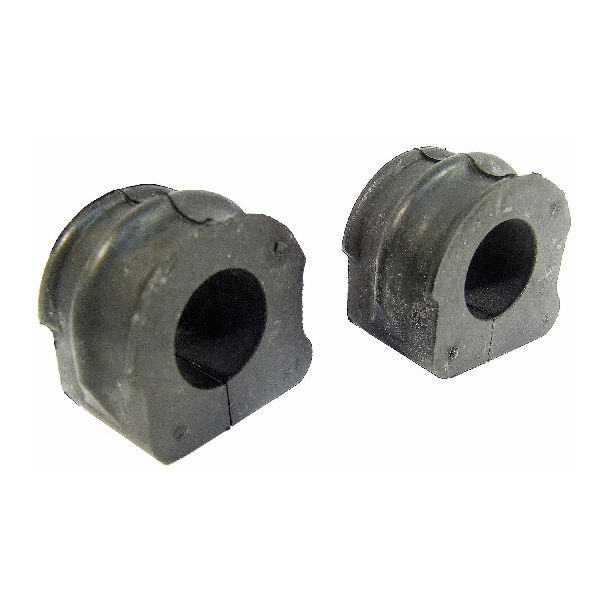
- Visible Wear: The original plastic collars around the bushings are known to crack and fall apart, allowing the stabilizer bar to move side-to-side, which creates noise. If you look under the car, you may see cracked or deformed rubber.
Choosing the Right Aftermarket Bushing Kit
When replacing your TT's stabilizer bar bushings, you have several aftermarket options. The choice between them often comes down to a balance of price, durability, and performance feel. OEM rubber provides a quiet, comfortable ride, but performance-oriented polyurethane bushings offer a tighter feel and more durability.
Brand Tiers for Your Audi TT
- Performance (Polyurethane): Brands like Whiteline specialize in polyurethane bushings. These are a popular upgrade for the Mk1 TT because they are more durable than the original rubber and can help solve the common issue of the bar moving side-to-side. The trade-off can sometimes be a slightly firmer ride.
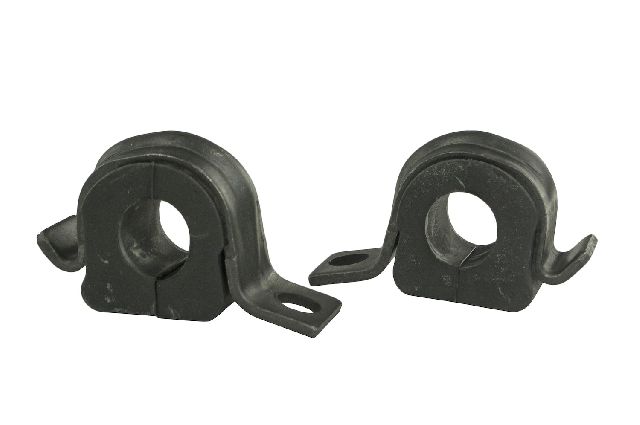
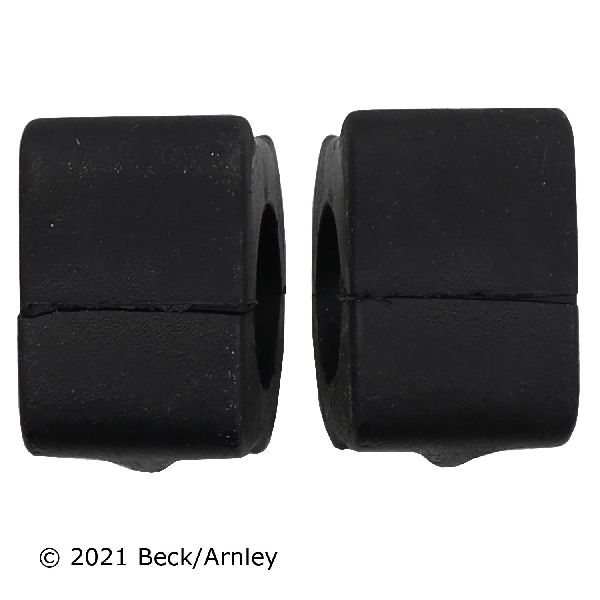
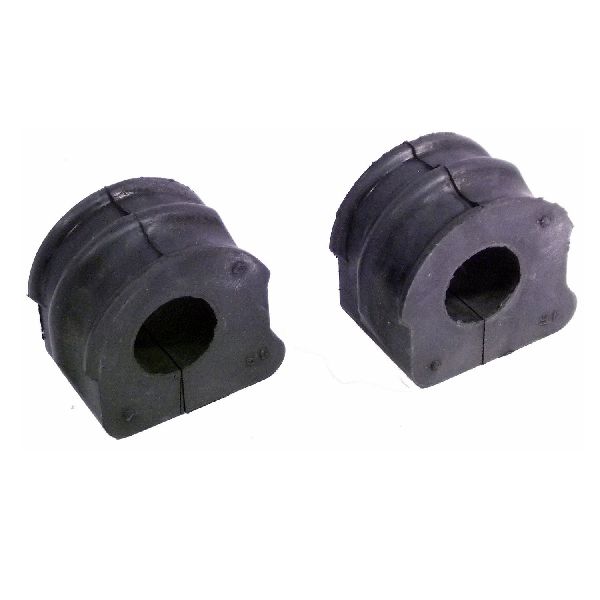
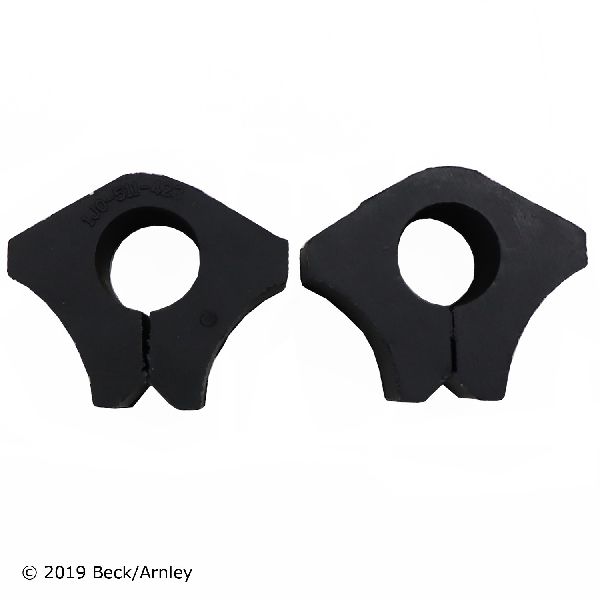
- Premium Aftermarket: Brands such as Beck Arnley and Delphi are known for quality that often meets or exceeds original equipment (OE) standards. They are a reliable choice for a durable, quiet repair that restores the car's original feel.
- Standard Aftermarket: Mevotech and Dorman offer a good balance of affordability and quality. Mevotech is often seen as a mid-range option, while Dorman provides a cost-effective solution for daily driving needs. For a car like the TT, these are perfectly acceptable for getting the job done on a budget.
Pro Tip: Many Mk1 TT owners add a simple metal hose clamp (Jubilee clip) on the inside of each new bushing to prevent the stabilizer bar from sliding sideways. This is a cheap and effective way to prevent the common clunking noise from returning.
Estimated Costs for Replacement
The cost to replace stabilizer bar bushings is relatively low, especially if you can do the work yourself. The parts are inexpensive, and the labor is straightforward for a mechanic.
| Item | Estimated Cost |
|---|---|
| New Aftermarket Bushing Kit | $8 - $45 |
| Shop Labor | $120 - $250 |
| Total Professional Replacement | $128 - $295 |
Known Issues, Recalls, and TSBs
There was a major recall for the 2000 Audi TT (and some 1999 models) related to high-speed stability (NHTSA Campaign ID: 99V300000). The official remedy included replacing the front and rear stabilizer bars, front control arms, and shock absorbers, plus adding a rear spoiler. While this recall wasn't for the bushings themselves, it involved the entire stabilizer bar system. If you own an early model TT, it's worth checking with an Audi dealer to see if this recall work was performed. No other specific recalls or Technical Service Bulletins (TSBs) exist for just the stabilizer bar bushings on this model.
Frequently Asked Questions (FAQ)
Is it hard to replace the stabilizer bar bushings on a 1999-2007 TT?
For a DIYer with some experience, this is a manageable job. It requires safely lifting the front of the car, removing the wheels, and accessing two brackets on the subframe. The passenger side is straightforward, but the driver's side has a bolt that can be tricky to access. It's considered a 1-2 hour job for a professional mechanic.
Do I need a wheel alignment after replacing the bushings?
No. Replacing the stabilizer bar bushings does not change any of your car's alignment angles. A wheel alignment is not necessary after this repair.
Should I use rubber or polyurethane bushings?
It depends on your priority. If you want the quietest, most comfortable ride that feels like the car did from the factory, choose a quality rubber bushing from a brand like Delphi or Beck Arnley. If you want improved durability and a slightly sharper handling response, and don't mind a potentially firmer ride, polyurethane bushings from a brand like Whiteline are an excellent upgrade.
Why is it important to lubricate the new bushings?
Lubricating the inside of the new bushings with the supplied grease (or a suitable silicone grease) is critical. It allows the stabilizer bar to rotate smoothly within the bushing without binding or squeaking. Skipping this step will almost certainly lead to new noises.
Technical Specifications
OEM Part Numbers: 1J0411314R 8N0411305H
Varies by front-wheel drive vs. Quattro and specific model year. It is critical to match the bushing diameter to your car's stabilizer bar diameter (e.g., 19mm, 20mm, 21mm).
We Have This Part in Stock

The information in this article is provided for general reference and educational purposes only. Vehicle specifications, procedures, and part compatibility can vary by production date, trim level, and region. Always consult your vehicle's factory service manual and verify part numbers before purchasing or performing repairs. Safety-critical components such as airbags, seat belts, and braking systems should be installed by a qualified professional.
- Audi TT: